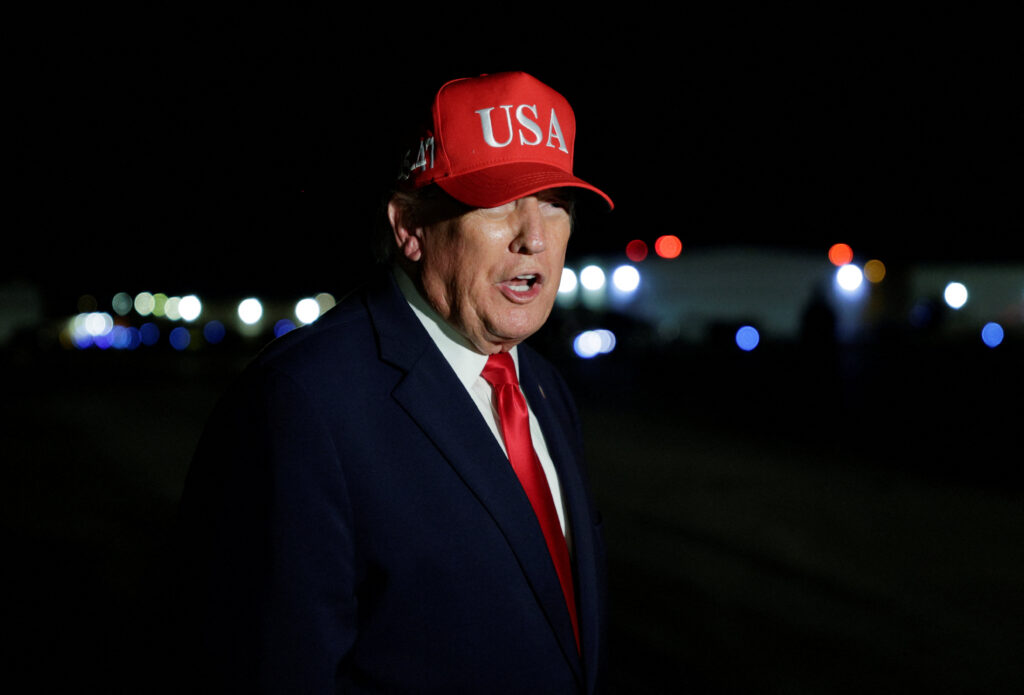
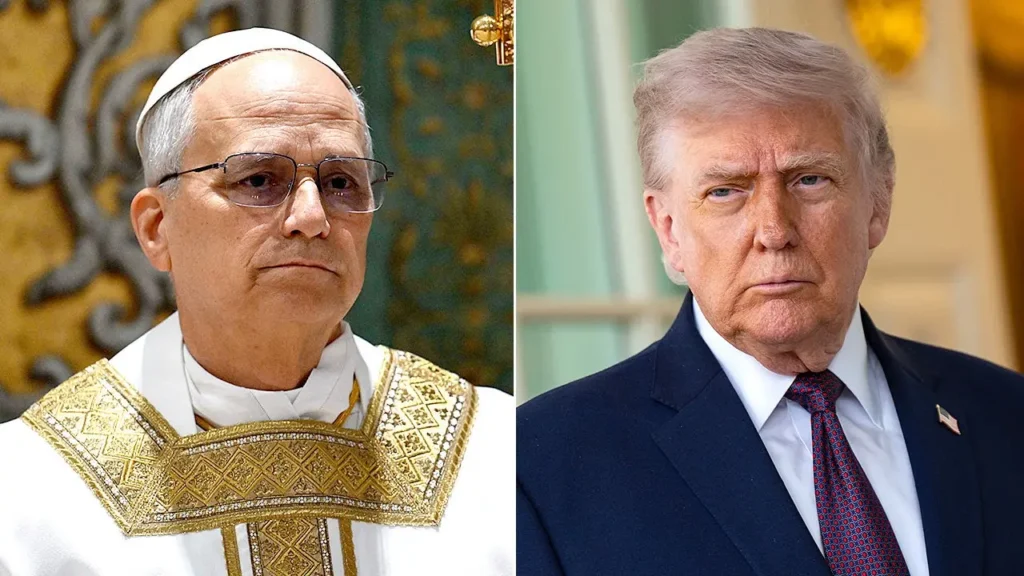
Former President Donald Trump has formally asked the U.S. Supreme Court to deliver a definitive ruling on his executive order aimed at ending birthright citizenship for children born in the United States to undocumented immigrants—a move that would challenge more than a century of constitutional precedent.
The request, revealed in legal filings obtained by ABC News but not yet listed on the Court’s public docket, follows two federal court decisions in July that universally blocked the executive order. The Trump administration now seeks expedited consideration from the justices, aiming for a decision by summer 2026.
“The government has a compelling interest in ensuring that American citizenship—the privilege that allows us to choose our political leaders—is granted only to those who are lawfully entitled to it,” Solicitor General John Sauer wrote in a petition for writ of certiorari submitted on Trump’s behalf.
Sauer argued the lower courts’ rulings undermine national security and immigration policy: “Those decisions confer, without lawful justification, the privilege of American citizenship on hundreds of thousands of unqualified people.”
Executive Order Faces Constitutional Hurdles
The legal battle stems from a controversial executive order signed by Trump on his first day back in office, redefining the interpretation of the 14th Amendment. The order claims that only children born to parents with permanent legal status qualify as U.S. citizens, asserting that others are not “subject to the jurisdiction” of the United States as defined in the Constitution.
Legal scholars and multiple courts have rebuked this interpretation. The 14th Amendment, ratified in 1868, has long been understood to guarantee citizenship to all individuals born on U.S. soil, regardless of their parents’ immigration status. The relevant clause reads: “All persons born or naturalized in the United States, and subject to the jurisdiction thereof, are citizens of the United States.”
An estimated 255,000 children are born each year in the U.S. to parents who are not citizens or legal permanent residents, according to the Penn State Social Science Research Institute.
Nationwide Injunctions and Legal Opposition
In July, a federal judge in New Hampshire ruled that Trump’s executive order likely violates the Constitution and issued a nationwide injunction as part of a class-action lawsuit covering all potentially affected children. A separate ruling by a federal appeals court supported a broader nationwide block, citing the need for consistent protection across states.
The administration has appealed both rulings and made clear it will not attempt to enforce the order unless and until the Supreme Court agrees to take up the case.
The American Civil Liberties Union (ACLU), which represents plaintiffs in one of the lawsuits, sharply criticized the administration’s position. “This executive order is illegal, full stop,” said Cody Wofsy, deputy director of the ACLU’s Immigrants’ Rights Project. “We will continue to ensure that no one baby’s citizenship is ever stripped away by this cruel and senseless order.”
Political and Legal Stakes Ahead
The issue of birthright citizenship has long been a flashpoint in immigration debates, with Trump vowing during both of his presidential terms to curb what he calls “abuse” of the system. In June, he celebrated the Supreme Court’s rollback of nationwide injunctions as a “monumental victory,” though the current rulings rest on separate legal grounds.
Should the Supreme Court take up the case, it would mark a historic examination of one of the nation’s foundational constitutional guarantees. For now, the administration must await the justices’ decision on whether to hear the appeal.