Here’s a polished, newsroom-ready rewrite:
Tokyo Court Recognizes Voice Rights in Landmark AI Cloning Case
A Tokyo court has recognized legal protection for an individual’s voice for the first time in Japan, in a landmark case involving the unauthorized use of artificial intelligence to clone the distinctive voice of a prominent anime actor.
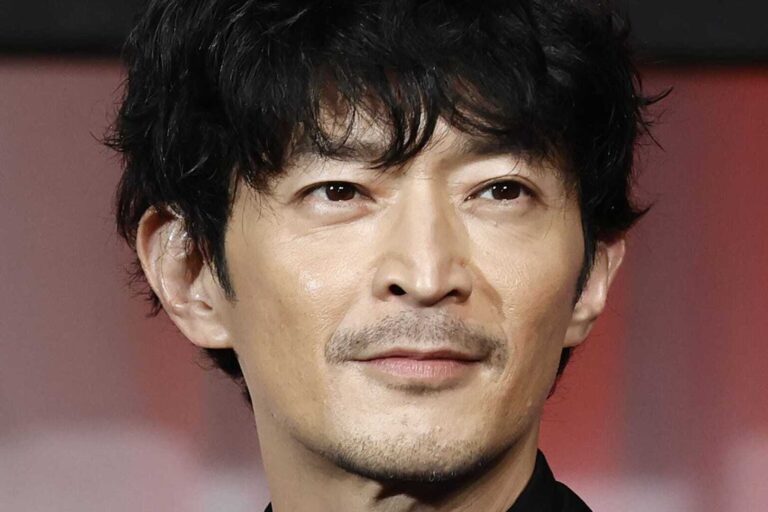
The Tokyo District Court issued the ruling Wednesday in a case brought by Japanese actor and voice performer Kenjiro Tsuda, who challenged a TikTok account that allegedly used an AI-generated imitation of his trademark baritone without permission.
Tsuda is widely known for his distinctive deep voice and for portraying characters including Kento Nanami in the popular anime series “Jujutsu Kaisen.”
According to the lawsuit, an anonymous operator behind a TikTok account called “Nanami” used an AI-generated voice resembling Tsuda’s to narrate more than 180 videos about urban legends and paranormal phenomena. Tsuda argued that the account improperly exploited the commercial value of his voice to attract viewers.
“The human voice is symbolic of individual personality, just like one’s portrait,” Presiding Judge Aya Takahashi said, according to court documents cited by The Associated Press.
The court found that unauthorized use of Tsuda’s distinctive voice, when clearly intended to exploit its commercial appeal, could constitute an infringement of his publicity rights.
The decision marks the first time a Japanese court has explicitly recognized an individual’s voice as deserving protection under publicity rights, potentially setting an important precedent as AI-generated voice technology becomes increasingly sophisticated.
By November 2025, the TikTok account at the center of the case had attracted more than 200,000 followers, with viewers frequently commenting on how closely the narrator’s voice resembled Tsuda’s.
The defendant argued that the narration was generated by artificial intelligence and merely sounded like Tsuda, rather than using recordings of his actual voice. The defense also maintained that the videos did not damage Tsuda’s professional reputation.
The court did not grant Tsuda’s request to have all of the videos removed because the TikTok account had already been closed.
The ruling comes amid growing concern among Japanese voice actors and other performers about AI systems capable of replicating distinctive voices without authorization, raising broader questions about consent, compensation and the protection of performers’ identities in the age of generative AI.