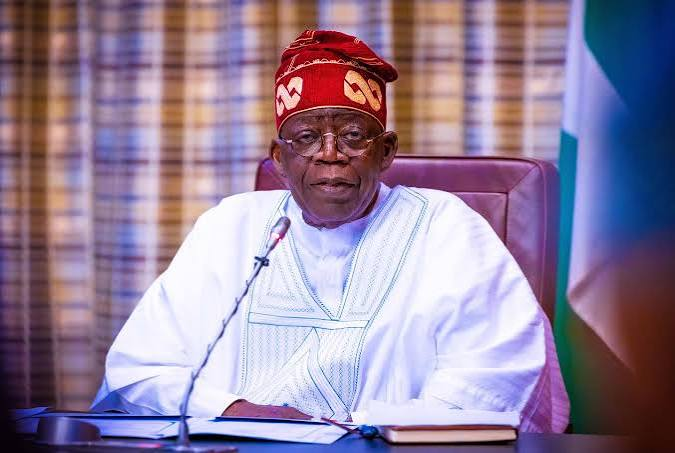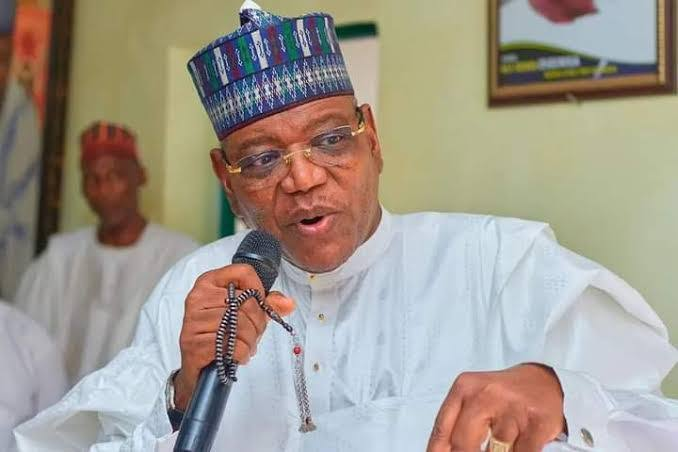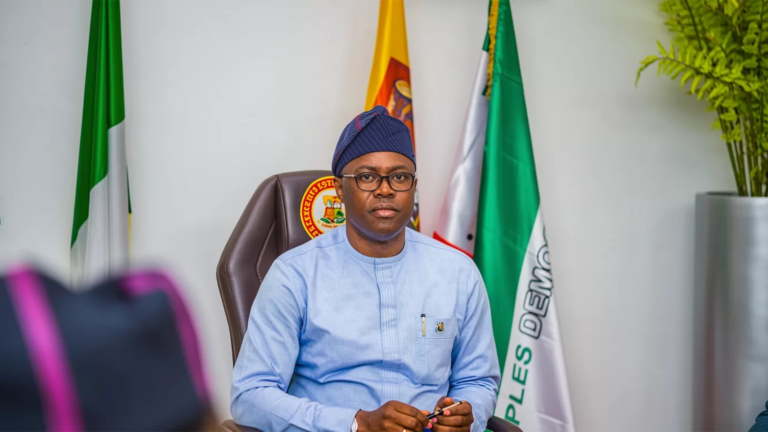
Oyo State Governor and Allied Peoples Movement (APM) presidential candidate, Seyi Makinde, has explained his decision to withdraw support for President Bola Tinubu ahead of the 2027 election, citing economic hardship, governance concerns, weakening national unity and the handling of economic reforms.
Makinde said he supported Tinubu in the 2023 presidential election because he believed the president would build a government of national unity and competence but had since become convinced that his administration was not pursuing that direction.
In a post published on his RESET Nigeria website on Thursday, the governor dismissed suggestions that his decision to challenge Tinubu was driven by a personal disagreement or an ambition to occupy Aso Rock.
“I supported President Bola Ahmed Tinubu in 2023. Today, I am running against him in the 2027 presidential election,” he said.
“Some people have asked what changed. Others believe there must have been a personal disagreement between us.
“I understand why they would think that. But my decision is not about a personal disagreement or an ambition to occupy Aso Rock. It is about the future of Nigeria and the opportunities available to Nigerians.
“I supported President Tinubu because I believed he could bring people together to build a government of national unity and competence.
“I believed his administration would confront our economic challenges while creating opportunities for Nigerians to build better lives. Three years later, I no longer believe his administration is taking us in that direction.”
Makinde explained that his initial support was based on Tinubu’s political experience and ability to build alliances across political divides, which he believed could help unite the country and improve the lives of Nigerians.
However, he outlined four major concerns that have shaped his decision to oppose the president’s re-election bid.
The first was what he described as “economic stability without economic development”, arguing that improvements in macroeconomic indicators had yet to translate into better living conditions for ordinary Nigerians.
“I acknowledge the improvements in some macroeconomic indicators under this administration,” he said.
“But government revenues and external reserves mean little to ordinary Nigerians if those gains do not translate into productive businesses, jobs, better incomes and improved living conditions.”
He argued that economic stabilisation should go hand in hand with development, insisting that Nigerians should not be expected to endure the current “level of hardship” while waiting for tangible improvements.
His second concern was what he termed “governing by excuses”, accusing the administration of repeatedly blaming inherited challenges instead of demonstrating measurable progress in addressing them.
“Over three years into this administration, we are still hearing explanations about inherited poverty, insecurity, electricity problems and other challenges, when Nigerians should be seeing more measurable progress towards resolving them,” he said.
The governor’s third concern was what he described as “building political power instead of national unity”.
He said he had expected Tinubu to use his political relationships to assemble capable Nigerians around a shared national interest but had become concerned that political objectives were taking precedence over national unity.
“I believed President Tinubu’s ability to build political alliances would translate into a government that brought capable Nigerians together around a shared national interest,” he said.
“Instead, I have come to believe that his political alliances serve his political objectives more than the national interest, and I am deeply concerned about the weakening of opposition parties, which are essential to a functioning democracy.”
His fourth concern was “economic reforms without adequate protection for Nigerians”.
Makinde said he supported reforms to the petrol subsidy and foreign exchange systems but believed the government should have put sufficient measures in place to cushion their effects before implementation.
Instead, he said, “millions of Nigerians who were already struggling were exposed to further hardship before sufficient measures were in place to protect them”.
He also argued that Tinubu understood the potential consequences of abrupt economic policy changes, recalling his opposition to the Goodluck Jonathan administration’s sudden removal of the petrol subsidy in 2012.
Makinde further noted that Tinubu witnessed the petrol and naira scarcity crises ahead of the 2023 elections and publicly spoke about their impact on Nigerians.
The Oyo governor said he would have convened a meeting of the National Economic Council (NEC) to reach agreements with state governors on interventions, including their funding and implementation.
Describing his position as a fundamental difference over how government should operate and whose interests it should prioritise, Makinde urged Nigerians not to lose faith in the country.
He maintained that anyone seeking the people’s mandate must clearly explain what they intend to do, how and when they plan to achieve it, and how their performance would be measured.
Makinde said his presidential ambition was anchored on the Reset Nigeria Agenda, expressing confidence that four years would be enough to demonstrate that a different approach to governance could deliver different results.