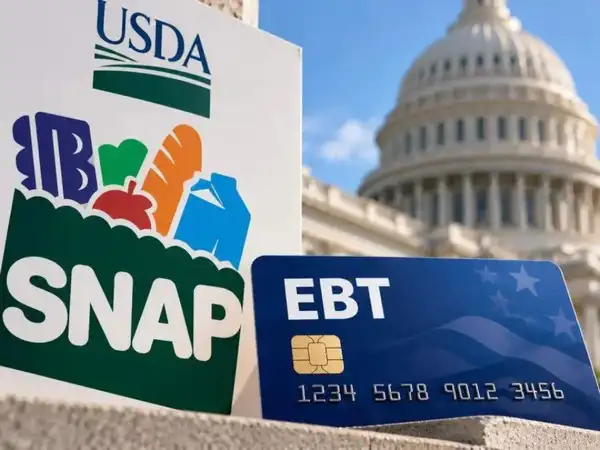
Major changes to the Supplemental Nutrition Assistance Program, or SNAP, are taking effect Oct. 1, bringing a modest increase in monthly food benefits while also ushering in broader changes that could affect eligibility and increase costs for states.
Millions of low-income Americans rely on SNAP to help pay for groceries. Beginning Wednesday, annual cost-of-living adjustments will slightly increase the maximum amount households can receive to account for inflation.
For a one-person household in the 48 contiguous states and Washington, D.C., the maximum monthly benefit will increase from $298 to $306 — an $8 increase.
A family of four will see its maximum monthly benefit rise from $994 to $1,023, an increase of $29 a month, or $348 over a full year.
The annual adjustment is intended to reflect changes in food costs and help recipients maintain their purchasing power as grocery prices rise.
But the modest increase comes as SNAP undergoes significant changes stemming from the tax and spending legislation signed by President Donald Trump in July 2025.
According to the Center on Budget and Policy Priorities, nationwide SNAP participation fell by more than 5 million people, or about 13%, between July 2025 and June 2026. The organization notes that declines began before the law was enacted, indicating other factors also contributed, but says participation declines accelerated following its passage. Data from 28 states show about 1.5 million fewer children receiving SNAP over that period.
States Face Higher Administrative Costs
Another major change taking effect Oct. 1 shifts a larger share of SNAP’s administrative expenses to state governments.
Previously, the federal government and states generally split administrative costs equally. Under the new law, federal reimbursement falls from 50% to 25%, leaving states responsible for 75% of those expenses.
The Center on Budget and Policy Priorities, citing Congressional Budget Office estimates, says the change will reduce federal funding for SNAP administration by nearly $25 billion through 2034.
An additional and potentially larger financial shift is scheduled to begin in fiscal year 2028, which starts Oct. 1, 2027.
For the first time, many states will be required to contribute toward the cost of SNAP benefits themselves. The amount will generally depend on a state’s payment error rate.
States with error rates below 6% can continue receiving full federal funding for benefits, while those above the threshold could be required to cover between 5% and 15% of benefit costs. Some states with particularly high error rates qualify for temporary implementation delays.
The changes could leave some states facing hundreds of millions of dollars in additional annual expenses, prompting concerns about how states will manage their SNAP programs and whether additional administrative requirements could make it more difficult for eligible households to receive or retain benefits.
The changes mean SNAP recipients could see two contrasting developments: a small immediate increase in maximum monthly benefits because of inflation, alongside stricter rules and significant structural changes that could affect access to food assistance in the months and years ahead.