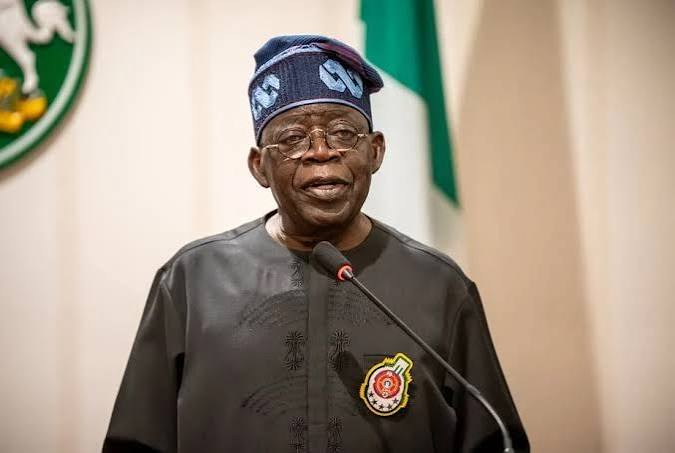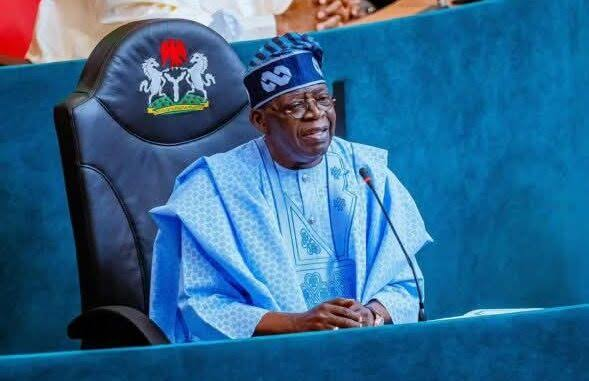
President Bola Ahmed Tinubu has directed the Federal Competition and Consumer Protection Commission (FCCPC) to investigate major global technology companies and generative artificial intelligence (AI) platforms over allegations of anti-competitive practices and the unauthorised use of news content belonging to Nigerian media organisations.
The directive, conveyed to the FCCPC by the Minister of Information and National Orientation, Mohammed Idris, followed a joint petition by the Nigerian Press Organisation (NPO), comprising the Newspaper Proprietors’ Association of Nigeria, the Nigeria Union of Journalists, the Broadcasting Organisations of Nigeria and the Guild of Corporate Online Publishers.
The Federal Government said the investigation would examine allegations that companies including Meta, Alphabet, X and several generative AI platforms engaged in anti-competitive practices, undermined the commercial sustainability of Nigerian media organisations and used publishers’ content without authorisation. The probe will also determine whether such actions violate the Federal Competition and Consumer Protection Act 2018 or other applicable laws.
Nigeria’s move aligns with measures adopted in Australia, Canada and South Africa, where technology companies are required to negotiate compensation agreements with news publishers. The FCCPC also noted that Meta is appealing a 2025 judgment that imposed a $220 million fine over violations of the FCCPA, including data privacy breaches.
FCCPC Executive Vice Chairman and Chief Executive Officer, Tunji Bello, said the investigation would be conducted fairly and transparently.
“We recognise the strategic importance of the media to Nigeria’s democracy and the equally significant role of technology in driving innovation and economic growth. Our responsibility is to objectively determine the facts and ensure that competition within the digital ecosystem remains fair, transparent and consistent with Nigerian law,” Bello said.
He added: “This inquiry is not directed at any entity by presumption of wrongdoing. Rather, it is an opportunity to carefully examine the facts, hear from all affected parties and determine whether any conduct has resulted in anti-competitive outcomes or unfair business practices. Every party will be accorded a fair opportunity to present relevant information before any conclusions are reached.”
Media development advocate Lekan Otufodunrin welcomed the probe, saying it should determine whether global technology companies are fairly compensating Nigerian publishers for content they monetise.
“Big Tech companies earn substantial revenue from content generated locally, and the question is whether Nigerian publishers and creators are receiving their fair share,” he said.
While acknowledging that publishers also earn revenue through platforms such as Google and Facebook, Otufodunrin urged Nigerian media organisations to strengthen their independent digital presence and called for an evidence-based investigation.
He added: “It’s a welcome development, but the government needs to present clear data and explain exactly who is benefiting and to what extent. We also need the technical capacity to properly monitor these platforms and assess the value they derive from Nigerian content. So, let the investigation run its course and see what the findings reveal.”
Industry observers say the outcome of the probe could reshape relations between Nigerian media organisations and global technology companies, as concerns grow over the use of journalistic content to train AI models without licensing agreements or compensation.