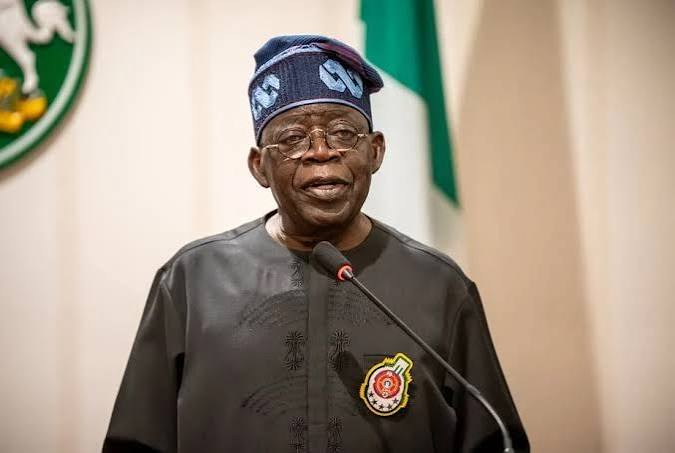
President Bola Tinubu has approved a 15 per cent import tariff on petrol and diesel in a move the Presidency describes as “bold and strategic,” aimed at promoting local refining and reducing Nigeria’s dependence on imported fuel.
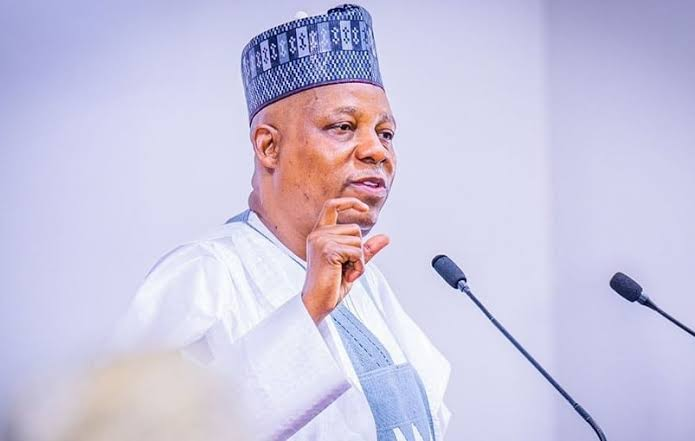
The announcement was made on Friday by the Special Adviser to the President on Media and Public Communications, Sunday Dare, through a statement shared on his official X (formerly Twitter) handle.
Dare said the new tariff forms part of the administration’s long-term strategy to achieve energy independence and strengthen the petroleum sector.
“It’s no longer news that President Bola Ahmed Tinubu has approved a 15 per cent import duty on petrol and diesel a bold and strategic move to reshape Nigeria’s energy landscape,” Dare wrote.
“This new tariff is a bridge, not a burden.”
According to him, the decision is intended to discourage fuel importation, encourage local investment in refining, and ensure Nigeria’s oil wealth directly supports domestic growth.
“For years, the nation has depended heavily on imported fuel despite being a leading crude oil producer, draining foreign exchange and exporting jobs that should have been created at home,” he said.
“This policy is designed to reverse that trend by boosting domestic capacity and ensuring that Nigeria’s oil wealth translates directly into national prosperity.”
Dare added that the tariff will make imported fuel less competitive while supporting local refineries such as Dangote Refinery, Port Harcourt Refinery, and other modular refineries.
“By making imported fuel less competitive, the government is tilting the market in favour of local refineries, laying the groundwork for a self-sustaining and resilient energy sector,” he noted.
He assured that as domestic refining capacity expands, fuel supply will stabilise and pump prices will eventually moderate, with increased job creation and industrial activity.
However, the announcement has sparked concern among petroleum marketers, who warn that petrol prices could rise above ₦1,000 per litre once the tariff takes effect.
Government officials have dismissed the fears, insisting that short-term price adjustments are necessary to protect local refineries and secure long-term energy stability.
The 15 per cent import duty will come into effect after a 30-day transition period, ending on November 21, 2025, as part of the administration’s broader plan to stabilise the energy market, attract investors, and drive sustainable economic growth.