Thailand has rejected international offers to mediate its intensifying border conflict with Cambodia, instead calling for direct bilateral talks and demanding that Cambodian forces cease their attacks, the Thai Foreign Ministry said Friday.
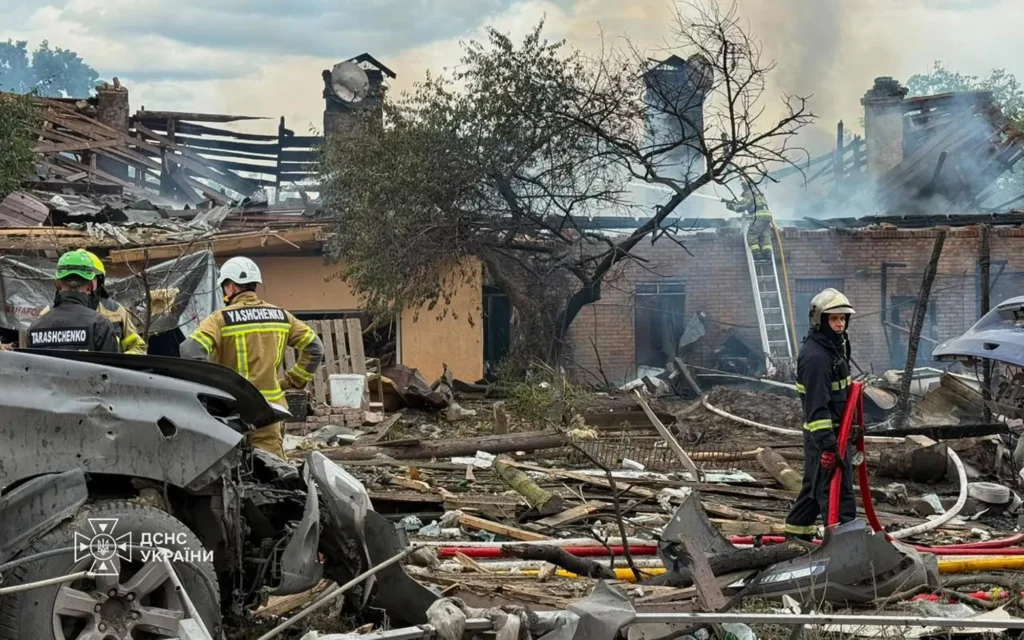
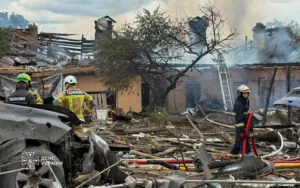
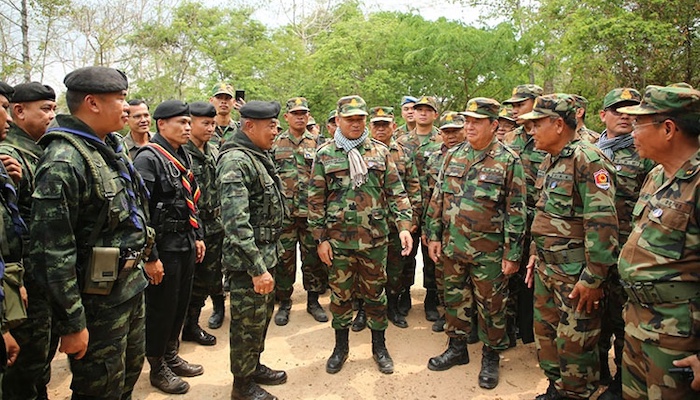
The fighting—centered along a long-disputed stretch of border—has now entered a second day, with heavy artillery exchanged across multiple hotspots. At least 16 people, most of them Thai civilians, have been killed, making this the most serious military confrontation between the two neighbors in over a decade.
Despite diplomatic overtures from the United States, China, and Malaysia—the current chair of ASEAN—Thailand insists it does not require outside intervention. “We don’t think we need any mediation from a third country yet,” said Foreign Ministry spokesperson Nikorndej Balankura in an interview with Reuters.
Tensions flared on Thursday at a contested border site, where a minor skirmish involving small arms quickly escalated into a full-scale artillery exchange. Each side has blamed the other for provoking the violence. The border has been a flashpoint for over a century, periodically triggering conflict.
“We believe bilateral mechanisms remain the most effective path forward,” Nikorndej said. “But dialogue can only happen once the attacks from Cambodia stop. Our doors are still open.”
Cambodia has not officially responded to Thailand’s latest statement. However, Prime Minister Hun Manet has appealed to the United Nations Security Council, accusing Thailand of “unprovoked and premeditated military aggression” and requesting an emergency session.
The UN Security Council confirmed it would convene behind closed doors on Friday to discuss the situation.
Diplomatic relations between the two countries have further deteriorated. Thailand expelled Cambodia’s ambassador on Wednesday and recalled its own envoy from Phnom Penh after a landmine explosion injured Thai soldiers. Thai officials allege the mines were recently laid by Cambodian troops—an accusation Cambodia has denied.
Meanwhile, Malaysian Prime Minister Anwar Ibrahim said he had spoken with leaders on both sides and urged restraint. While Thailand remains opposed to formal mediation, Nikorndej indicated openness to quiet diplomacy within the ASEAN framework. “If the ASEAN family can help facilitate the return to constructive bilateral negotiations, that’s something we would welcome,” he said.