The U.S. Supreme Court on Wednesday is set to hear arguments in a potentially landmark case that could reshape who has the right to challenge election laws in federal court — and whether a contested Illinois mail-in voting law can be brought back to life.
At the center of the dispute is a 2022 lawsuit filed by Rep. Michael Bost (R-IL) and two presidential electors, seeking to invalidate an Illinois statute that permits mail-in ballots postmarked by Election Day to be counted up to 14 days afterward. The plaintiffs argue that the practice violates federal election law by unlawfully extending the voting period.
Rather than focusing directly on the mail-in voting issue, the Supreme Court will examine a broader legal threshold: whether Bost and his co-plaintiffs had the standing to file the lawsuit in the first place.
Two lower courts previously dismissed the case, concluding that Bost and the electors failed to demonstrate personal harm — a legal requirement for filing a federal lawsuit. The courts categorized their claims, including added campaign costs during extended vote counts, as “generalized grievances” insufficient to justify legal action.
But in June, the Supreme Court agreed to hear the case, signaling interest in resolving longstanding questions about who can bring election law challenges, a topic increasingly relevant amid a national surge in litigation over voting procedures.
The case arrives against a backdrop of intensified partisan debate over the legitimacy and security of mail-in ballots.
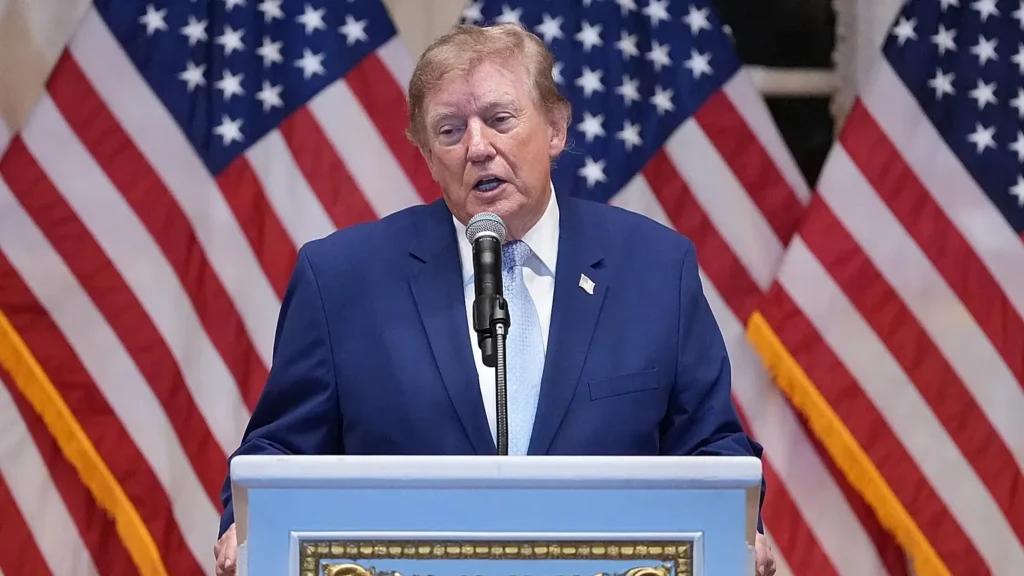
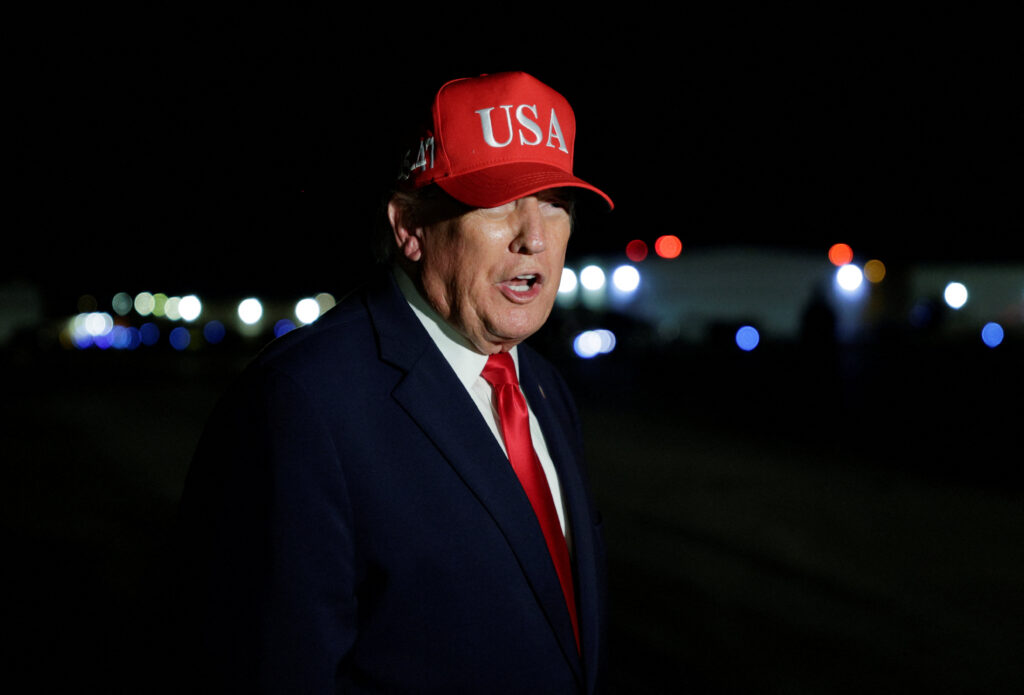
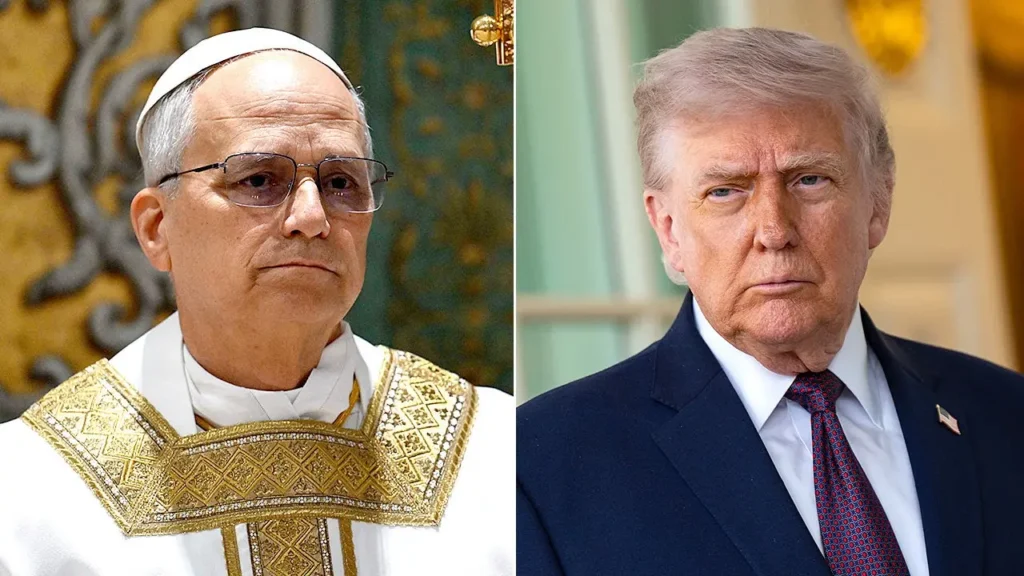
President Donald Trump and his allies have repeatedly targeted mail-in voting as a source of alleged fraud, despite a lack of credible evidence and assurances from election officials that the practice is secure. In August, Trump vowed to “lead a movement to get rid of” mail-in voting entirely, calling it a tool used by Democrats to sway elections.
“It’s time that Republicans get tough and stop it, because the Democrats want it,” Trump said. “It’s the only way they can get elected.”
Ironically, the Trump campaign itself has encouraged supporters to use absentee ballots in key battleground states.
A ruling in favor of Bost could not only revive the Illinois case but pave the way for broader legal challenges to election laws nationwide — particularly in states that expanded mail-in voting during the COVID-19 pandemic.
Legal experts say such a decision could have far-reaching consequences ahead of the 2026 midterm elections, potentially emboldening partisan actors to pursue more lawsuits challenging election procedures.
Conversely, if the justices uphold the lower court rulings, it could tighten the standards for who may sue, limiting the flood of election-related lawsuits that have become increasingly common since 2020.
The Supreme Court’s decision — expected by summer 2026 — is being closely watched by voting rights groups, election officials, and political campaigns across the country. It marks yet another high-stakes case in what legal analysts are calling one of the Court’s most consequential terms in recent history.