The OPEC+ alliance has agreed to modestly increase oil production next month as crude prices continue to retreat following the easing of tensions between the United States and Iran.
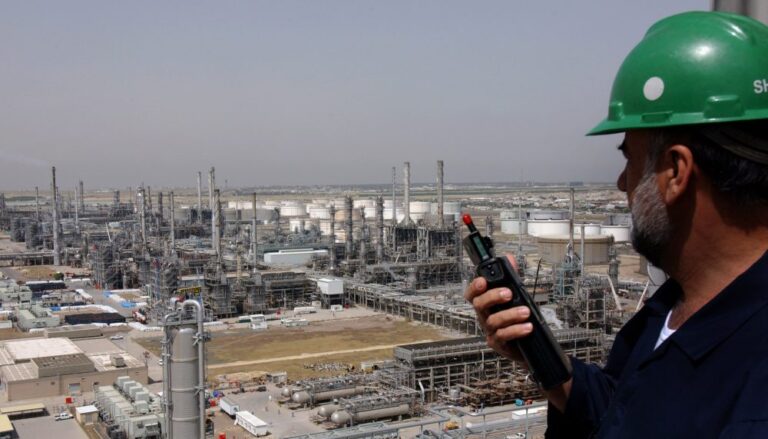
The Organization of the Petroleum Exporting Countries and its allies announced on Sunday that seven member nations will collectively raise production by 188,000 barrels per day in August, marking the fifth consecutive monthly increase in output.
The countries participating in the latest production adjustment are Saudi Arabia, Russia, Iraq, Kuwait, Kazakhstan, Algeria and Oman.
In a statement, the producers said they would continue monitoring market conditions closely while maintaining a cautious approach to supporting global energy stability.
“The countries will continue to monitor and assess market conditions, and in their continuous efforts to support market stability, they reaffirmed the importance of adopting a cautious approach,” the group said.
The latest production increase comes after oil prices fell sharply in recent weeks, driven by optimism surrounding an interim agreement between Washington and Tehran aimed at ending months of conflict.
Under the memorandum of understanding reached by the two countries, Iran agreed to allow commercial shipping to resume through the Strait of Hormuz, while the United States committed to lifting its blockade of Iranian ports.
Since then, commercial shipping traffic through the strategic waterway has gradually resumed.
Before the conflict, the Strait of Hormuz carried roughly one-fifth of the world’s oil exports. Although more tankers are now transiting the route, shipping volumes remain below pre-war levels, and regional tensions continue to cloud the outlook.
Iran’s joint military command warned as recently as Thursday that all oil tankers passing through the strait must follow routes approved by Tehran or risk a “forceful response.”
Oil markets have nevertheless continued to stabilize as negotiators work toward a comprehensive peace agreement.
Brent crude, the global benchmark, traded below $72 a barrel shortly after markets opened Sunday evening, returning to levels close to those seen before U.S. and Israeli military operations against Iran began in late February.
The current price is well below the nearly $120 per barrel reached during the height of the conflict in March.
The war triggered widespread disruption to global energy markets as shipping through the Strait of Hormuz was severely restricted, limiting exports from major Gulf producers despite earlier OPEC+ production increases.
Several Middle Eastern oil-producing countries were forced to reduce output because export routes were effectively blocked.
According to a recent analysis by S&P Global, Gulf oil production is unlikely to fully recover until at least the first quarter of 2027.
Energy analysts continue to caution that while crude prices have eased, the broader effects of the conflict—including elevated fuel costs and higher consumer prices—could persist well beyond the end of hostilities.