Japan has formally scrapped its “Africa Hometown” initiative, a grassroots cultural exchange program linking regional Japanese cities with four African countries, following a surge of public backlash and disinformation that sparked nationwide immigration concerns.
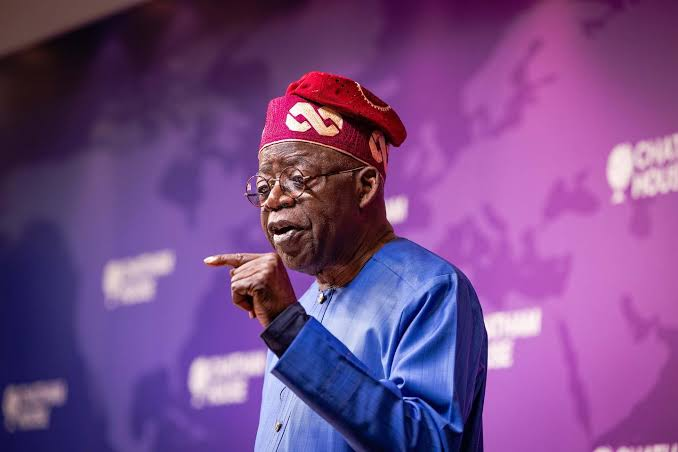
Originally launched during Nigerian President Bola Tinubu’s state visit to Japan in August, the initiative aimed to deepen cultural ties between Japan and Nigeria, Ghana, Mozambique, and Tanzania. The Japan International Cooperation Agency (JICA) had assigned the city of Kisarazu as Nigeria’s “hometown counterpart,” while other cities were paired with the remaining African nations.
However, the program quickly became the subject of intense controversy, as rumors circulated online that Japan was preparing to welcome a wave of African immigrants. Despite repeated clarifications from both Japanese and African officials, including statements from Nigeria’s government and JICA, public fears continued to mount.
“Reactions spread based on misunderstandings,” said JICA President Dr. Akihiko Tanaka at a press conference Tuesday evening. “The public uproar placed an excessive burden on local governments.”
According to the Asahi Shimbun, one participating city received up to 200 phone complaints per day, with residents expressing outrage over what they believed to be plans for mass immigration.
The situation was further inflamed by disinformation on social media, including a viral post falsely claiming Prime Minister Shigeru Ishiba intended to “import millions of Africans and Kurds.” Tech billionaire Elon Musk added fuel to the fire, reposting the claim and warning, “If this continues, there will be no Japan, just some islands where Japanese people used to live.”
Despite efforts to debunk the misinformation, public resistance to the initiative remained strong. Barely a month after its announcement, the Japanese government confirmed the initiative’s cancellation, according to Bloomberg.
The controversy comes amid a broader national debate over immigration and Japan’s cultural identity. Immigrants account for just 3% of Japan’s population, but a recent uptick in arrivals and record-breaking tourism have reignited anti-immigration sentiments.
In July, the right-wing Sanseito party made significant gains in Japan’s upper house elections by campaigning on a platform of cultural preservation and border control. Analysts say the backlash against the “Africa Hometown” program underscores the growing influence of anti-immigration rhetoric in Japanese politics.
The issue is also expected to play a key role in the ongoing leadership race within Japan’s ruling Liberal Democratic Party, where immigration reform remains deeply divisive.
JICA had previously described the initiative as part of its strategy to foster “people-to-people” diplomacy and deepen cooperation through mutual understanding. Under the original plan, Kisarazu was to be twinned with Nigeria; Nagai with Tanzania; Sanjo with Ghana; and Imabari with Mozambique. All four partnerships have now been dissolved.
Though the initiative was purely symbolic and focused on cultural exchange—not immigration or labor programs—the wave of misinformation and politicization proved too powerful to contain.
In a statement issued last month, Nigeria’s federal government had welcomed the pairing, calling it “a step forward in fostering mutual understanding.” That message has now been overshadowed by Japan’s swift policy reversal.
With the collapse of the initiative, diplomatic observers say Japan risks damaging its long-cultivated image as a leader in development cooperation with Africa, especially at a time when global powers are vying for strategic influence across the continent.
As Japan prepares to host future international development forums, including potential follow-ups to the Tokyo International Conference on African Development (TICAD), officials may be forced to revisit how cultural diplomacy is communicated—and defended—in an increasingly polarized domestic climate.