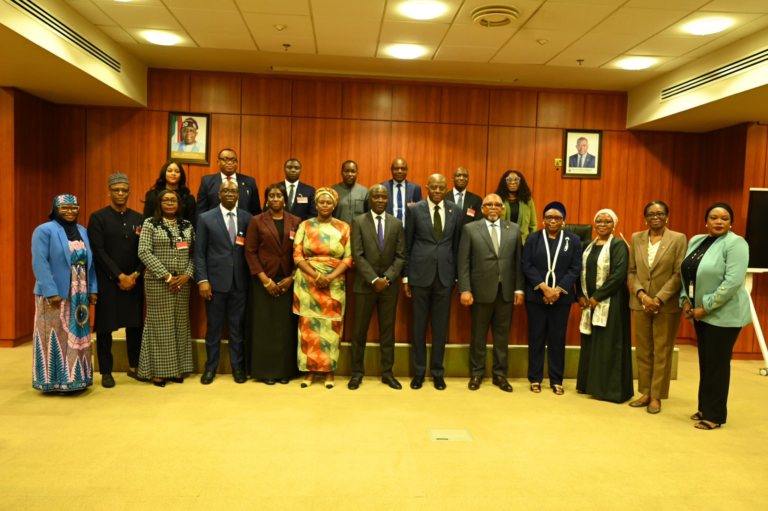
The Central Bank of Nigeria and the Nigerian Communications Commission have signed a Memorandum of Understanding (MoU) to deepen regulatory cooperation across the country’s financial and telecommunications sectors.
The agreement, finalised in Abuja, comes amid rising concerns over the growing complexity of Nigeria’s digital financial space and the increasing sophistication of cyber threats.
CBN Governor Olayemi Cardoso described the partnership as a strategic step to better align both sectors, stressing that the resilience of one directly affects the stability of the other. He noted that the collaboration goes beyond routine formalities and underscores a shared commitment to protecting Nigeria’s economic system.
Under the framework, both regulators will jointly strengthen payment system integrity, focusing on standards for instant payments, QR transactions, open banking, and API interoperability. The pact also emphasises consumer protection, fraud detection, and support for innovation through regulatory sandbox initiatives.
A major highlight of the agreement is the rollout of the Telecom Identity Risk Management Portal (TIRMP), a secure data-sharing platform that allows banks and fintech firms to verify mobile numbers in real time. The system is designed to flag risks such as SIM swaps, inactive lines, and suspicious numbers—closing key gaps often exploited in financial fraud.
NCC Executive Vice Chairman Aminu Maida said the platform would significantly improve fraud prevention by giving financial institutions timely access to critical mobile data.
To ensure effective implementation, both agencies announced the formation of two joint committees—one to oversee payment systems and consumer protection, and another dedicated to the TIRMP project.
They also pointed to previous collaboration, particularly in resolving USSD payment issues, as proof of the benefits of coordinated regulatory action. The new framework, they said, is expected to enhance service delivery, improve security, and strengthen public confidence in Nigeria’s digital economy.
The regulators added that the agreement would enable quicker resolution of cross-sector issues, including failed airtime recharges that often fall between regulatory boundaries.
The MoU marks a broader effort to build a more secure, resilient, and inclusive digital financial ecosystem, with both agencies emphasising that innovation must be matched with accountability and robust consumer safeguards.