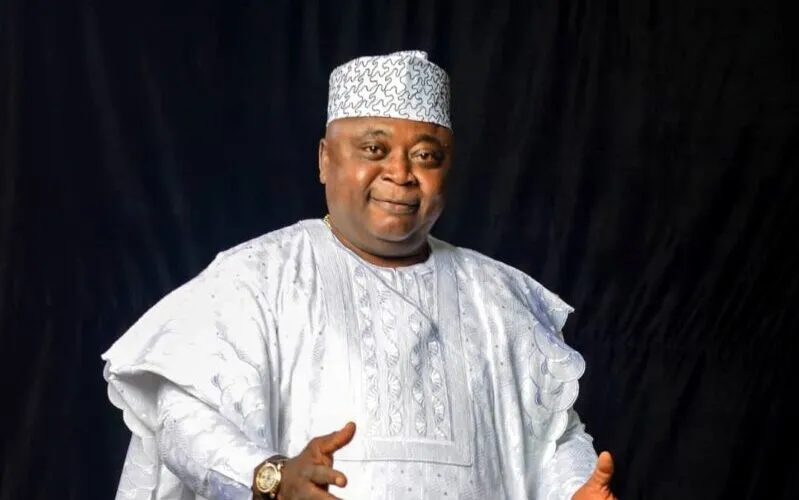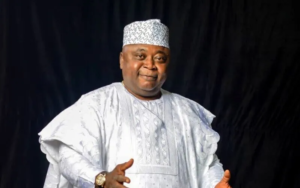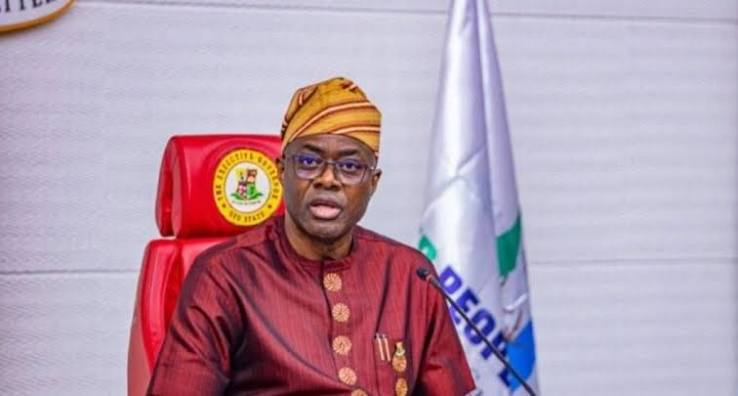
Oyo State Governor and Allied Peoples Movement (APM) presidential candidate, Seyi Makinde, has challenged the Federal Government to publish its pricing template for the recently announced 30-day fuel discount policy, demanding transparency over how the prices were determined.
Makinde made the call on Saturday at the APM’s North-East 2027 Town Hall Meeting in Yola, Adamawa State, where he questioned the government’s approach to petroleum pricing.
The governor said Nigerians deserved to understand the calculations behind the policy and should be allowed to contribute alternative solutions.
“Now, yesterday, I listened to the Minister of Finance on TV. He said now that they are on price modulation for petroleum products. We are asking for only two things. We don’t want long ‘turenchi’ [fancy grammar and talk],” Makinde told the gathering.
“Just release to Nigerians your pricing template: how you arrived at your figure, and let Nigerians – they are not dumb – look at your pricing templates, and if they have a better solution, they will present it.
“The fact that we’re in government or you’re in the [Presidential Villa] does not make you the only people with sense. In Nigeria, we have Nigerians who can dissect issues and proffer solutions. So please give us your pricing template, and we will make our input.”
His comments came days after the Federal Government announced a 30-day fuel discount policy in partnership with the Nigerian National Petroleum Company Limited (NNPCL), aimed at easing petrol prices nationwide.
The policy has drawn criticism from opposition figures, who have described it as a possible return of fuel subsidy through the back door and questioned its timing ahead of the 2027 general election.
President Bola Ahmed Tinubu introduced major economic reforms after taking office in 2023, including the removal of the petrol subsidy and the unification of the foreign exchange market.
Although the reforms have received support from some economists, they have also contributed to higher living costs and increased economic pressure on households.
Nigeria, Africa’s largest oil producer, is also home to the continent’s largest refinery, owned by industrialist Aliko Dangote. However, petrol prices have reportedly risen to about ₦1,400 per litre, compared with approximately ₦830 before the war in the Middle East.