The emergency declaration, announced Sunday, was invoked under constitutional provisions relating to national security and emergency governance, amid growing tensions between the federal government and provincial authorities.
President Asif Ali Zardari confirmed in a social media post that he had approved recommendations submitted by the federal cabinet following a meeting chaired by Prime Minister Shehbaz Sharif earlier in the day.
According to a statement from the prime minister’s office, cabinet members reviewed the deteriorating security situation in Khyber Pakhtunkhwa and accused the provincial administration of failing to cooperate adequately with federal counterterrorism efforts.
The cabinet specifically cited what it described as the “provincial government’s deliberate disengagement from the fight against terrorism.”
Under Pakistan’s constitution, the federal government can assume some or all functions of a provincial administration during a declared emergency.
However, the president’s office did not immediately clarify how Khyber Pakhtunkhwa would be governed under the new arrangement or how long the emergency measures would remain in effect.
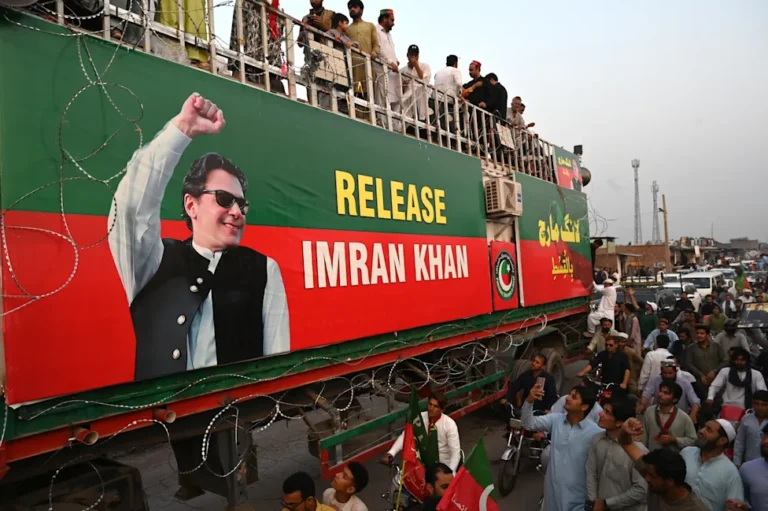
The decision represents a significant escalation in tensions between Prime Minister Sharif’s federal government and the PTI, which has maintained political control in the province despite its leader, Imran Khan, remaining in prison.
Shortly after the emergency was announced, PTI lawmaker Junaid Akbar claimed that Khyber Pakhtunkhwa Chief Minister Sohail Afridi had been arrested alongside the party’s provincial president.
There was no immediate independent confirmation of the reported arrests or details about the circumstances surrounding them.
The emergency declaration raises fresh questions about political stability and provincial autonomy in Pakistan, particularly as authorities continue to confront security challenges in the country’s northwest.
Further details are expected regarding the federal government’s plans for administering the province and the status of its elected leadership.