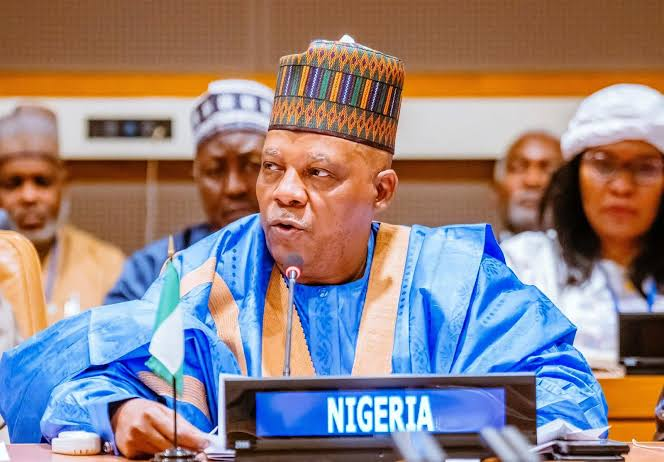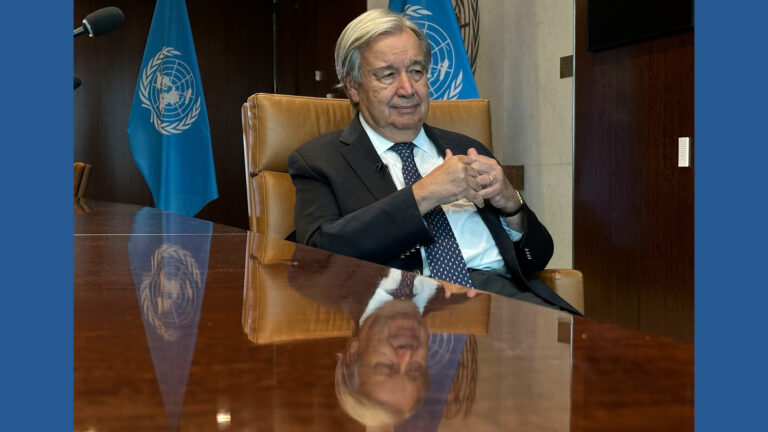
World leaders are gathering at the United Nations this week against a backdrop of multiple wars, deepening geopolitical divisions and growing concerns over artificial intelligence, climate change and rising living costs.
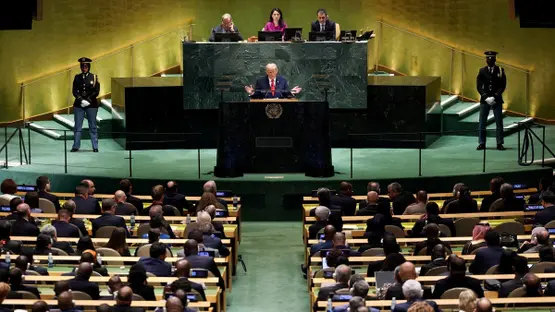
The annual high-level session of the U.N. General Assembly will bring together leaders from around the world as the international community confronts a series of overlapping crises.
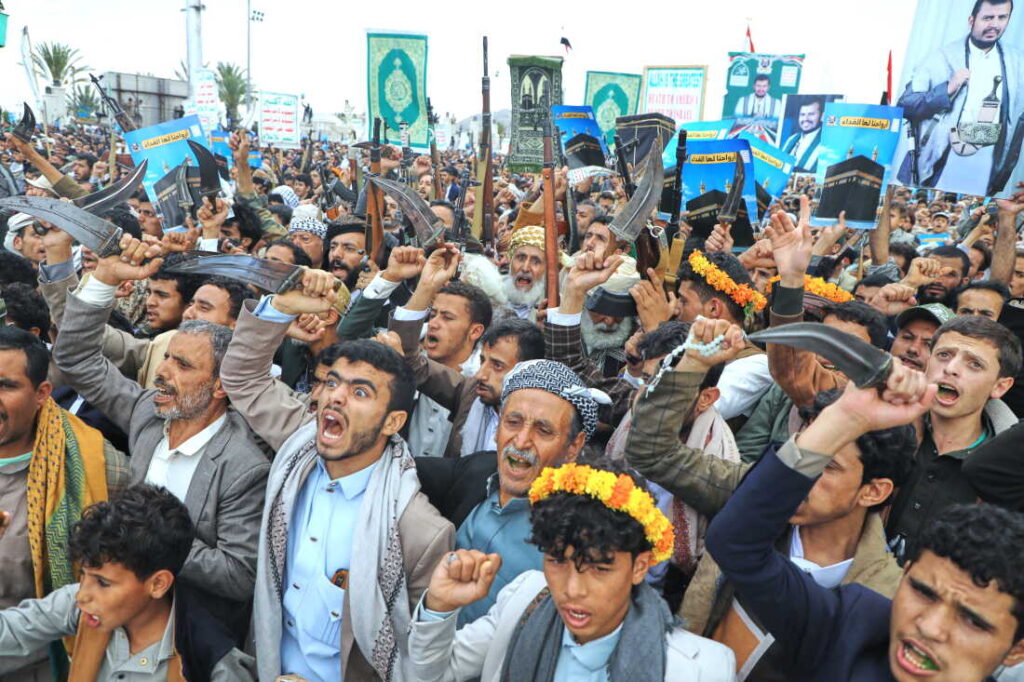
Wars and conflicts in Iran, Gaza, Ukraine, Sudan, Congo and Myanmar are expected to dominate discussions, along with renewed questions about the international community’s ability to help bring an end to prolonged fighting and humanitarian emergencies.
Artificial intelligence is also emerging as a major issue. Governments are increasingly debating how to regulate rapidly advancing AI systems amid concerns that insufficient safeguards could create significant security, economic and societal risks.
Climate change will remain another major focus as countries confront extreme weather, melting ice sheets and other environmental disruptions. Leaders are also expected to address widening inequality and mounting economic pressures affecting hundreds of millions of people.
Disruptions to major shipping routes and global supply chains have added to those challenges, contributing to higher energy and consumer prices while weighing on economic growth in many countries.
The future of the United Nations itself is also expected to receive significant attention.
More than eight decades after its creation following World War II, calls are growing for reforms that would better reflect the geopolitical realities of the 21st century.
The U.N.’s 193 member states have agreed to a broad reform agenda that includes proposed changes to major institutions, including the Security Council. The council’s five permanent members — the United States, Russia, China, Britain and France — hold veto power, a structure that has long fueled calls for greater representation from other regions.
However, reaching agreement on significant changes to the organization’s structure has proved difficult.
Attention will also turn to the race to lead the United Nations. Secretary-General António Guterres is approaching the end of his second five-year term on Dec. 31, with no clear successor yet emerging.
With wars, technological disruption, climate threats and economic uncertainty converging, this year’s General Assembly will put renewed focus on whether the United Nations and its member states can find common ground on some of the world’s most pressing challenges.