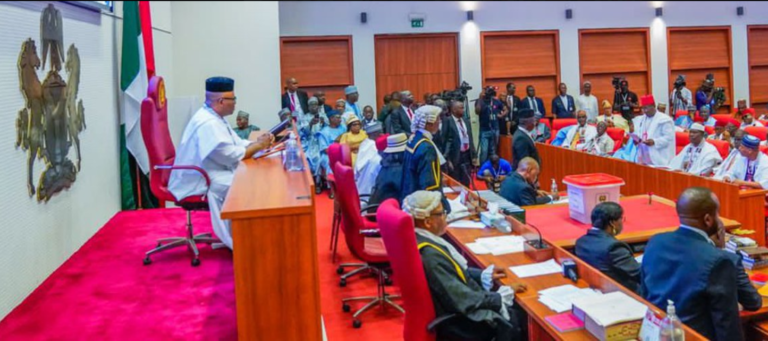
After years of national debate and rising insecurity across the country, the push for state police may finally be approaching a decisive moment in the Senate. Lawmakers on Monday signalled a major shift in urgency, placing the controversial proposal at the heart of ongoing constitutional amendment discussions.
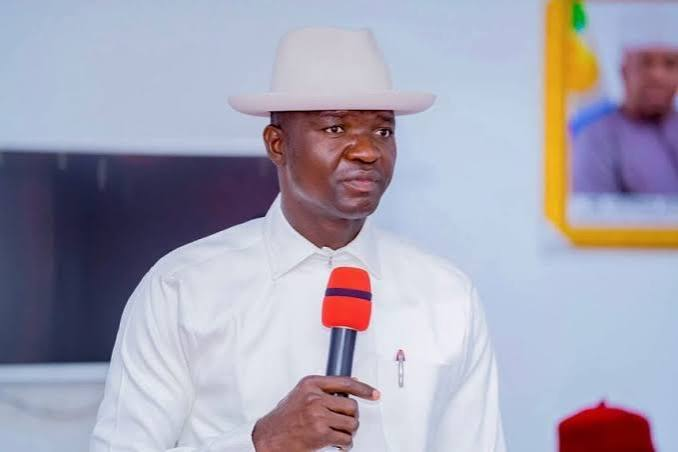
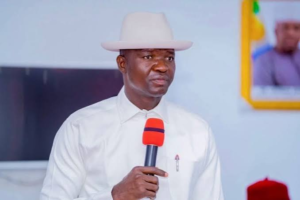
Speaking during a media briefing with Senate correspondents, Senate Leader Opeyemi Bamidele said the upper chamber would begin urgent deliberations on the establishment of state police this week.
According to him, the issue has now become one of the top priorities in the constitutional review process due to increasing security concerns nationwide.
“We are standing with Nigerians on state police. That will come to fruition this week during plenary,” Bamidele said.
He disclosed that the Senate had already held several consultations with relevant stakeholders and was working to accelerate legislative processes surrounding the proposal.
“We have been holding a series of meetings with stakeholders and will fast-track deliberations so that the bill can proceed to the 36 state houses of assembly and eventually receive presidential assent,” he added.
The Senate Leader also criticised recent calls for a probe of the military, describing such demands as unpatriotic at a time when the country is battling multiple security threats.
According to him, national focus should remain on strengthening security institutions rather than creating distractions that could undermine ongoing operations.
Bamidele also addressed public criticism surrounding lawmakers’ salaries, allowances, and the controversial purchase of official vehicles for members of the National Assembly.
He said the Senate would soon respond to public concerns by ensuring that details of lawmakers’ remuneration, alongside those of ministers and other public office holders, are made public.
The remarks followed recent court pronouncements reportedly questioning the legality of the N110 billion SUV purchase and lawmakers’ allowance structure.
Defending the acquisition, Bamidele maintained that the vehicles were meant to support constituency engagements and official assignments.
“Every vehicle given to us is meant for constituency work and other official assignments. Public office holders are entitled to such provisions. It is neither strange nor peculiar to lawmakers in Nigeria,” he stated.
He further noted that criticism of the legislature was not unusual, especially because of the oversight responsibilities lawmakers perform within the country’s democratic system.