The United States carried out fresh military strikes in Iran near the strategically vital Strait of Hormuz on Monday, describing the operation as an act of self-defense even as diplomatic negotiations between the two countries continued.
According to United States Central Command spokesman Tim Hawkins, the strikes targeted missile launch sites and Iranian vessels allegedly attempting to deploy naval mines.
“These were self-defense strikes,” Hawkins said, adding that the attacks involved “missile launch sites and Iranian boats attempting to emplace mines.”
A U.S. defense official said the strikes occurred near the southern Iranian port city of Bandar Abbas, close to the Strait of Hormuz.
Despite the renewed military activity, there was no official indication that the temporary ceasefire between Washington and Tehran — which took effect on April 8 — had collapsed.
“U.S. Central Command continues to defend our forces while using restraint during the ongoing ceasefire,” Hawkins said.
Iran’s Islamic Revolutionary Guard Corps responded Tuesday with a warning that it would “respond decisively to any violation of the ceasefire.”
In a statement carried by the semi-official Fars News Agency, the Revolutionary Guard claimed U.S. forces had entered Iranian airspace in the Persian Gulf region.
The group said it had shot down an American MQ-9 drone and fired at another U.S. drone along with an F-35 Lightning II fighter jet, forcing them to retreat.
“The IRGC warns against any violation of the ceasefire by the invading American army and considers its right to reciprocal response both legitimate and certain,” the statement said.
The Pentagon did not immediately respond to the Iranian claims.
Monday’s strikes were not the first U.S. military actions conducted during the ceasefire period, but they came amid intensified diplomatic efforts to formally end the war that began with U.S. and Israeli strikes against Iran on Feb. 28.
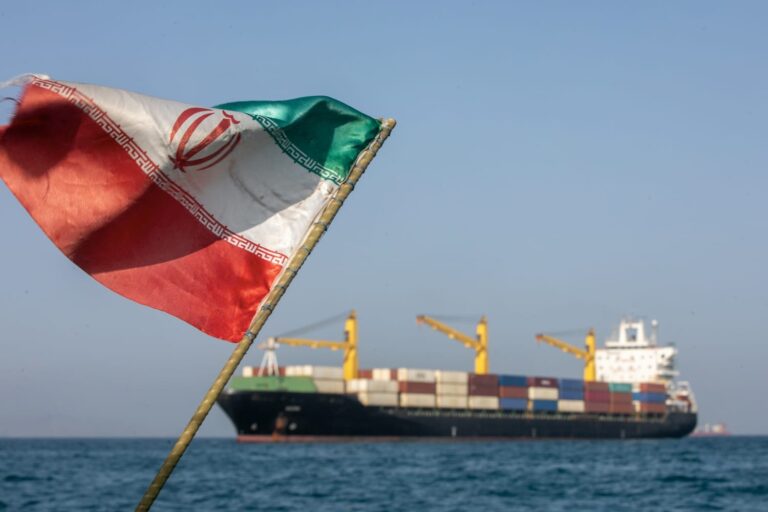
Iran has effectively shut down passage through the Strait of Hormuz, while the U.S. military has maintained a blockade on Iranian ports, severely disrupting global shipping and energy supplies.
Earlier Monday, Iranian officials cautioned that an agreement was not yet close, despite mixed signals from President Donald Trump, who has alternated between optimism and skepticism about the talks.
Iranian negotiators were reportedly in Qatar, which has emerged as a central mediator in efforts to broker a settlement that could end the three-month conflict and reopen the Strait of Hormuz to international shipping.
According to a senior Trump administration official, the framework under discussion would give both sides 60 days to negotiate a comprehensive peace agreement.