The World Health Organization (WHO) has launched a new Global Health Emergency Corps (GHEC) strategy aimed at building emergency-ready and resilient health workforces in every country by 2030.
The strategy was unveiled during the World Health Assembly and is designed to strengthen countries’ ability to respond rapidly to health emergencies through improved coordination, workforce preparedness, and cross-border collaboration.
According to WHO, the initiative seeks to transform global commitments under the International Health Regulations and the Pandemic Agreement into practical national emergency response systems.
A major target of the strategy is ensuring that at least 10 per cent of every country’s health workforce is organised, trained, tested, and connected for emergency response by 2030.
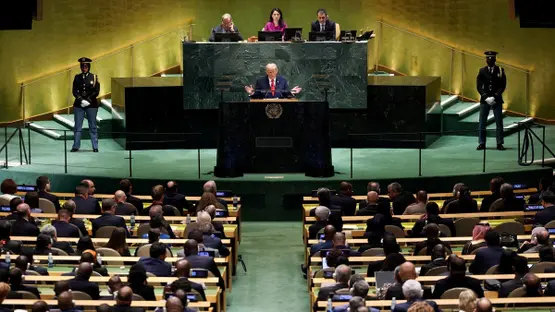
The launch event, held on the sidelines of the 79th World Health Assembly, was co-hosted by Ethiopia, Germany, and Brazil, with support from the Gates Foundation and the Institute of Philanthropy.
Global leaders and health partners at the event stressed the urgent need for stronger investments in emergency preparedness as health crises become increasingly complex and interconnected.
In her keynote address, Hanan Balkhy, WHO Regional Director for the Eastern Mediterranean, said preparedness must become a permanent national capability rather than a temporary response activated during crises.
“Health emergencies do not respect borders, and preparedness cannot depend on last-minute mobilisation,” Balkhy said.
She explained that effective preparedness requires trusted leadership, nationally owned systems, coordinated health workforces, and rapid international collaboration.
According to her, the new strategy provides countries with a practical roadmap to strengthen emergency readiness through organised national workforces linked across borders by solidarity, expertise, and coordinated action.
Meanwhile, the Global Preparedness Monitoring Board (GPMB) has warned that the world remains vulnerable to even greater pandemic threats because outbreaks are increasing faster than investments in preparedness.
In a new report titled A World on the Edge: Priorities for a Pandemic-Resilient Future, released in Geneva ahead of the 79th World Health Assembly, the board identified three urgent priorities:
- Establishing a permanent independent system for monitoring pandemic risks
- Expanding equitable access to vaccines, diagnostics, and treatments
- Securing sustainable financing for preparedness and emergency response
The report was issued under the joint convenorship of WHO and the World Bank Group.