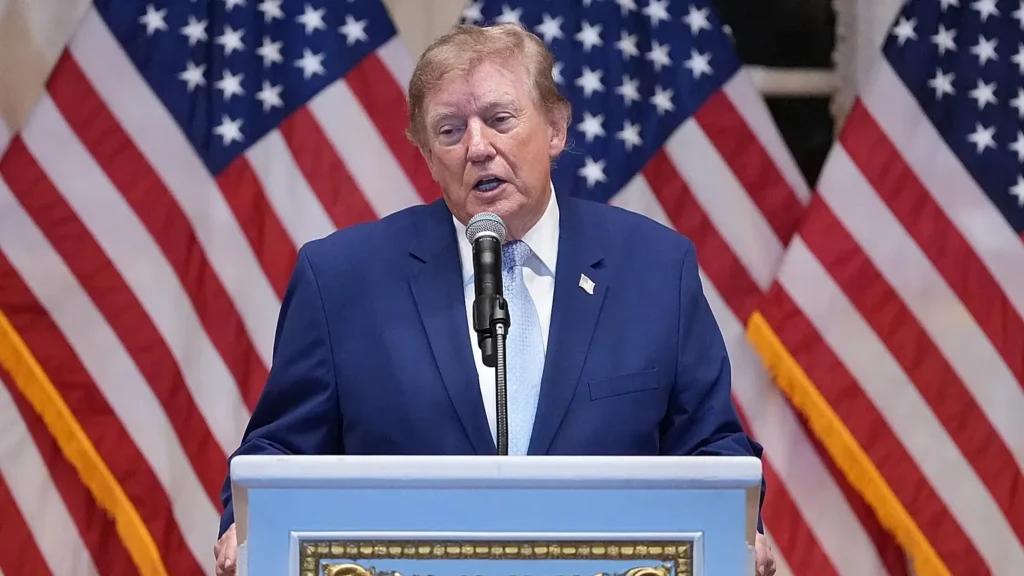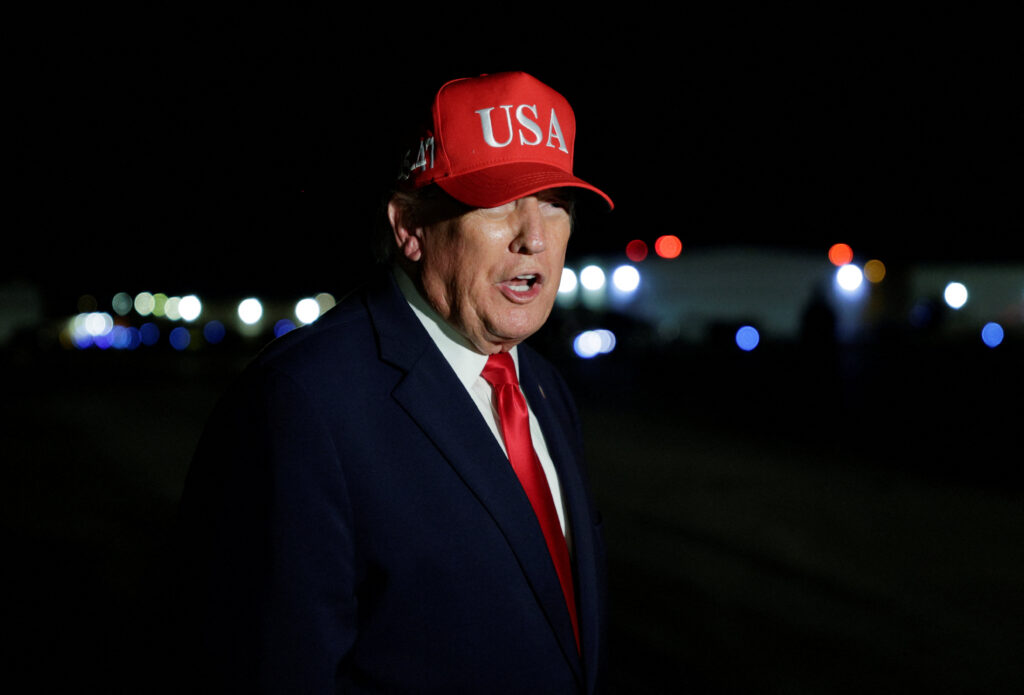
U.S. President Donald Trump is set to begin a two-day summit with Chinese President Xi Jinping in Beijing on Thursday, as the world’s two largest economies seek to stabilize their fragile trade relationship while confronting mounting geopolitical and economic pressures tied to the ongoing conflict with Iran.
The visit marks the first trip to China by a sitting U.S. president since Trump’s previous visit nearly a decade ago. Trump has described the summit in grand terms, saying earlier this year that he encouraged Xi “to put on the biggest display you’ve ever had in the history of China.”
Although Trump has often portrayed his relationship with Xi as warm and personal, the summit comes at a politically sensitive moment for both leaders.
Trade negotiations are expected to dominate the talks. Trump arrived in China accompanied by more than a dozen prominent American business executives, including Tim Cook of Apple and Elon Musk, whose companies Tesla and SpaceX maintain significant interests tied to China and global manufacturing.
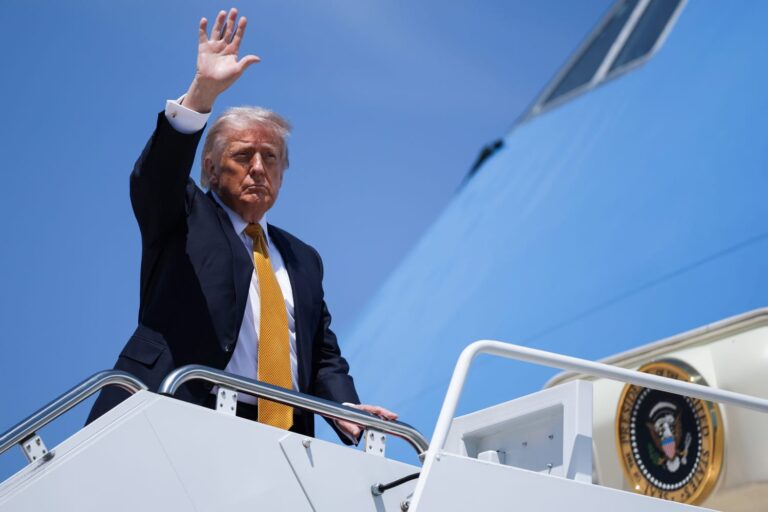
Jensen Huang of Nvidia also joined Trump during the second leg of the trip from Alaska to Beijing.
Officials from both governments are hoping the summit will produce positive economic signals and reinforce what they view as the world’s most important bilateral relationship. Extending the trade truce reached between Washington and Beijing last fall is expected to be a central topic of discussion.
Still, expectations for major breakthroughs remain limited as both leaders face domestic and international challenges.
Trump is confronting declining approval ratings, legal setbacks to parts of his tariff agenda, and criticism over the prolonged conflict with Iran, which has contributed to rising fuel prices and economic uncertainty.
Xi, meanwhile, continues to grapple with slowing economic growth in China, including high youth unemployment, weak consumer demand, and persistent instability in the country’s property sector. Analysts also say the Iran conflict has raised new concerns about China’s energy security and exposure to disruptions in Gulf oil supplies.