The United States and Iran appeared no closer Saturday to ending their conflict as military clashes continued in the Gulf despite a fragile ceasefire, while a new U.S. intelligence assessment suggested Tehran could endure a naval blockade for months.
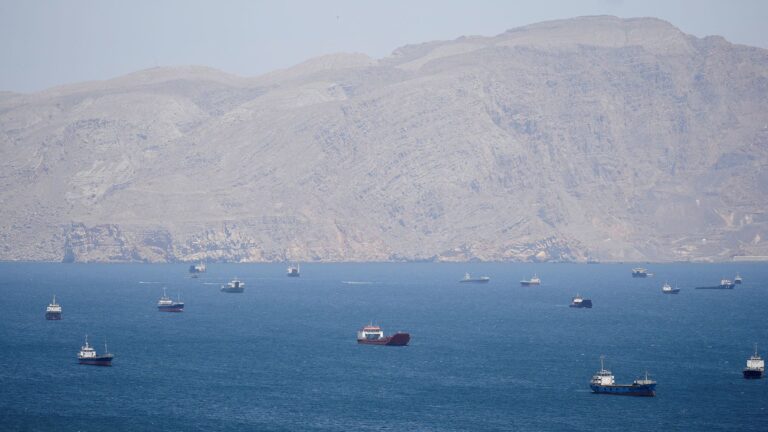
The latest confrontations marked some of the most serious fighting in and around the Strait of Hormuz since the ceasefire began roughly a month ago. The United Arab Emirates also faced renewed attacks on Friday, adding to concerns about regional stability.
Washington has been waiting for Iran’s response to a U.S. proposal aimed at formally ending the war before negotiations begin on broader disputes, including Tehran’s nuclear program. Speaking in Rome on Friday, Secretary of State Marco Rubio said the United States expected a response from Iran that day, although Iranian officials later indicated Tehran was still reviewing the proposal.
Sporadic fighting continued Friday between Iranian forces and U.S. naval assets in the Strait of Hormuz, according to Iranian media outlets. Later reports suggested the situation had temporarily calmed, though Iranian military officials warned that additional clashes remained possible.
The U.S. military said it struck two vessels linked to Iran that were attempting to enter an Iranian port, with American aircraft targeting the ships’ smokestacks and forcing them to retreat.
Iran has largely restricted non-Iranian commercial traffic through the Strait of Hormuz since the conflict erupted following U.S.-Israeli airstrikes on Iran earlier this year. Before the war, the narrow waterway handled roughly 20% of the world’s oil supply.
The United States imposed a blockade on Iranian maritime traffic last month as part of its pressure campaign against Tehran. However, a CIA assessment reviewed by U.S. officials concluded that Iran could withstand the economic impact of the blockade for several more months, potentially limiting the leverage available to President Donald Trump as he seeks a negotiated settlement to a conflict that has faced criticism from both American voters and international allies.