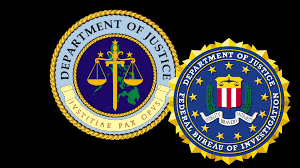
The Federal Bureau of Investigation and the Department of Justice are ramping up recruitment efforts to address staffing shortages following a wave of departures over the past year, implementing changes that some current and former officials say could lower long-standing hiring standards.
According to sources familiar with the process, the FBI has launched social media campaigns to attract applicants, introduced shortened training programs for candidates transferring from other federal agencies, and eased requirements for support staff seeking to become agents. Meanwhile, the Justice Department has begun hiring prosecutors directly out of law school to fill vacancies in U.S. attorney offices nationwide.
Some officials have also raised concerns about the promotion of less-experienced personnel into leadership roles, reflecting broader challenges in maintaining staffing levels.
The staffing push comes as the agencies contend with retirements, resignations, and internal tensions, including criticism tied to perceptions of politicization during the administration of Donald Trump. Critics argue the changes risk weakening standards at institutions responsible for national security, counterterrorism, and major criminal investigations.
Greg Brower, a former U.S. attorney and FBI official, said the moves highlight the difficulty in both retaining and recruiting personnel.
In response, the FBI has defended its approach, stating that it is modernizing—not lowering—its hiring process by eliminating what it describes as unnecessary bureaucratic steps. The agency emphasized that all candidates continue to be evaluated under the same core competencies.
Traditionally, the FBI’s recruitment process has included rigorous screening measures such as physical fitness tests, written assessments, interviews, and training at its academy in Quantico, Virginia.
Under Director Kash Patel, the bureau has introduced adjustments to that model. Transfers from agencies like the Drug Enforcement Administration may now complete a shortened nine-week training program instead of the standard course, which typically lasts more than four months—a shift that has drawn mixed reactions within law enforcement circles.