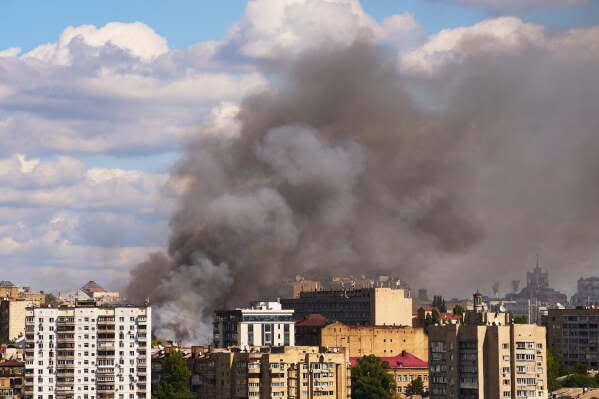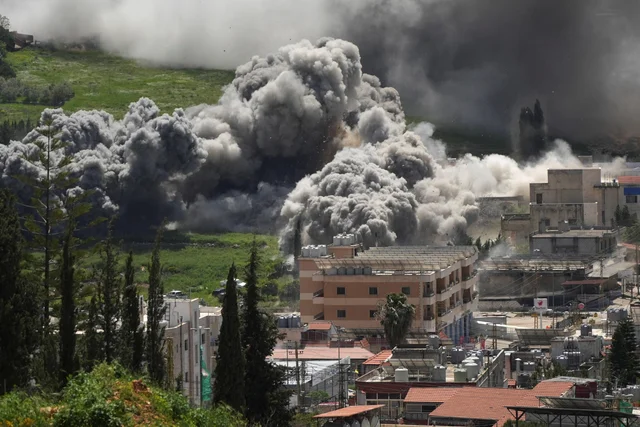
A 10-day ceasefire between Israel and Lebanon took effect at 5 p.m. Thursday, offering a temporary pause in hostilities after weeks of fighting between Israeli forces and the Iran-backed Hezbollah militant group threatened to derail broader efforts to end the regional conflict.
An Israeli official said the country would limit its actions to responding only to “imminent threats” from Hezbollah. However, uncertainty remains over whether Hezbollah will fully adhere to the truce or whether Lebanon’s military can effectively restrain the group. Prime Minister Benjamin Netanyahu has rejected conditions previously put forward by Hezbollah.
Early indications suggest the ceasefire is largely holding, though reports of violations have emerged. The Lebanese army said there had been multiple incidents, including Israeli strikes and intermittent shelling in several places. French President Emmanuel Macron also expressed concern that ongoing military activity could undermine the agreement.
Despite these concerns, the truce has brought cautious optimism. In Beirut, celebratory gunfire was heard as residents marked the start of the ceasefire, and some displaced families began returning home, even as officials urged caution until the situation stabilizes.
The ceasefire could remove a key obstacle to broader negotiations involving Iran, Israel, and the United States. Pakistani officials are actively engaging regional leaders and may return to Washington to facilitate another round of U.S.-Iran talks.
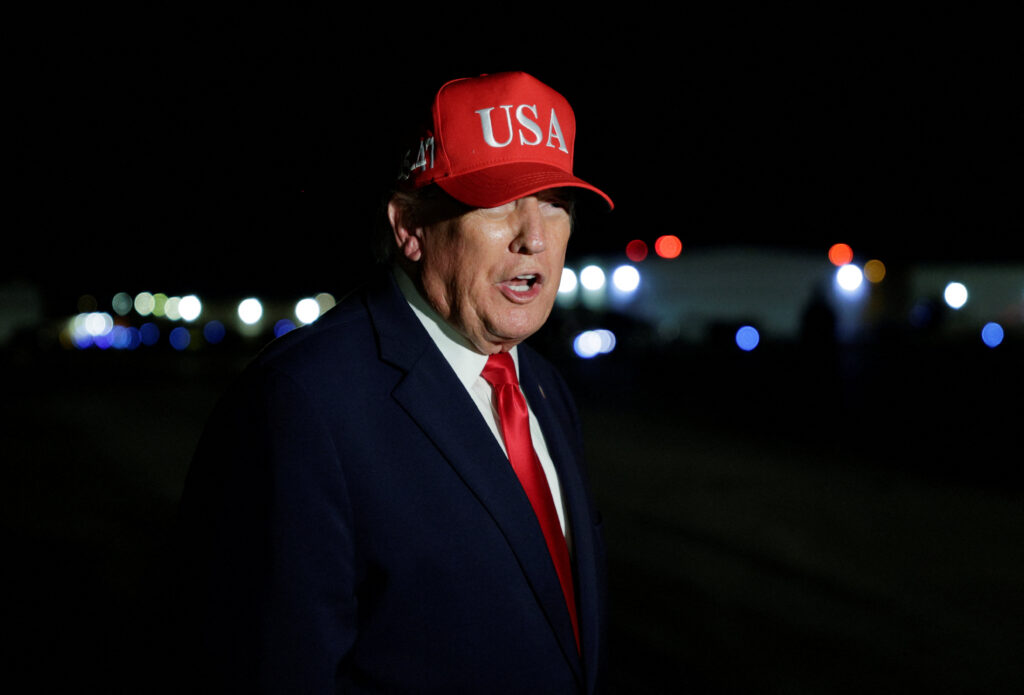
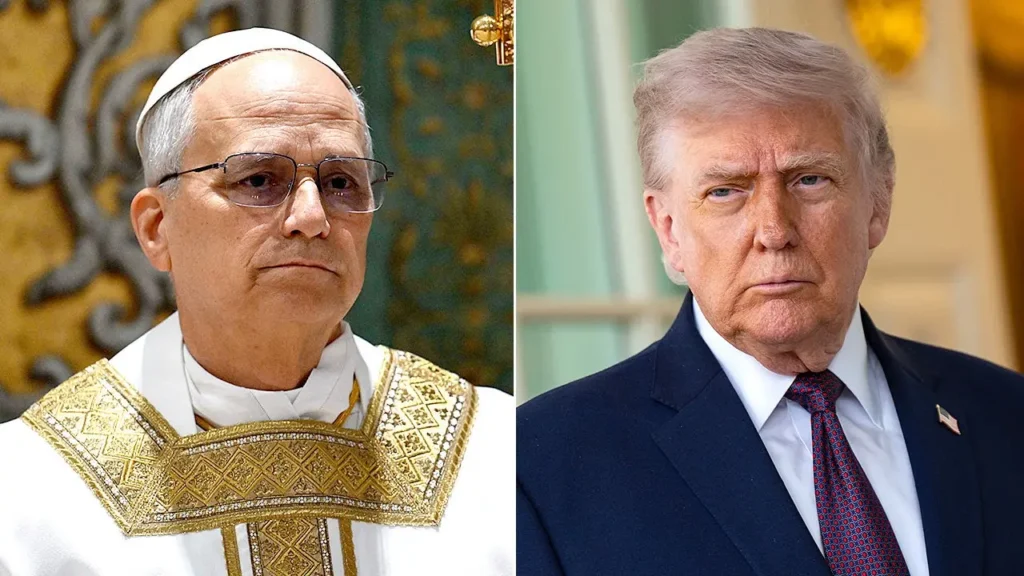
U.S. President Donald Trump has expressed optimism that the conflict could soon end, suggesting upcoming negotiations may produce significant progress.
Meanwhile, the Strait of Hormuz remains largely closed to commercial shipping due to Iranian threats and a U.S. naval blockade of Iranian ports. The resulting bottleneck has kept global energy prices elevated, adding pressure on all sides to reach a lasting resolution.