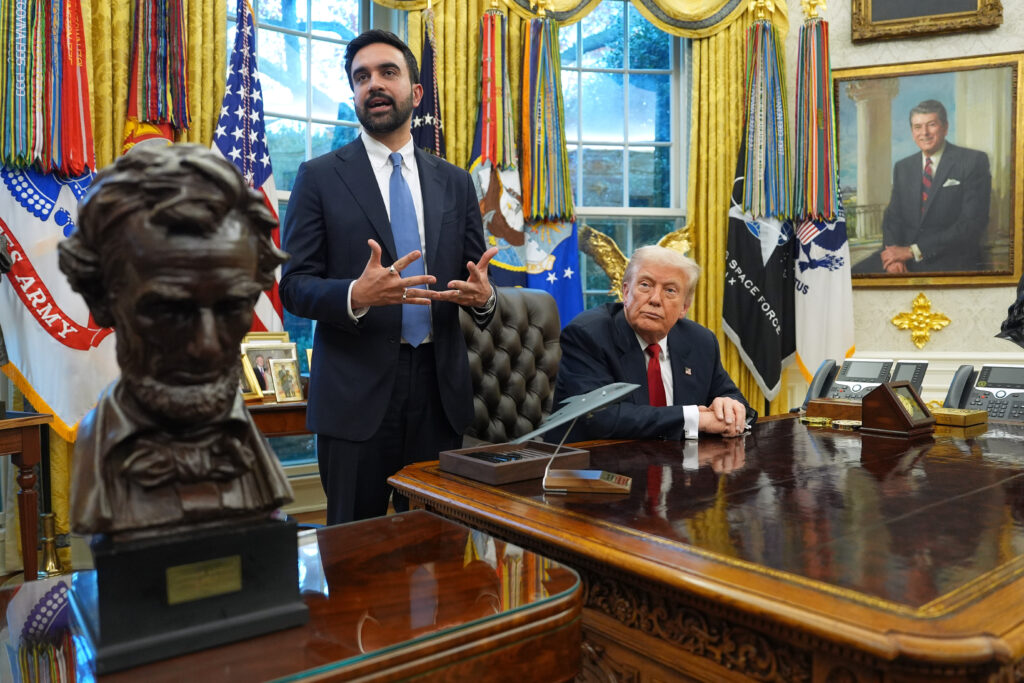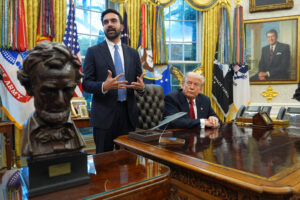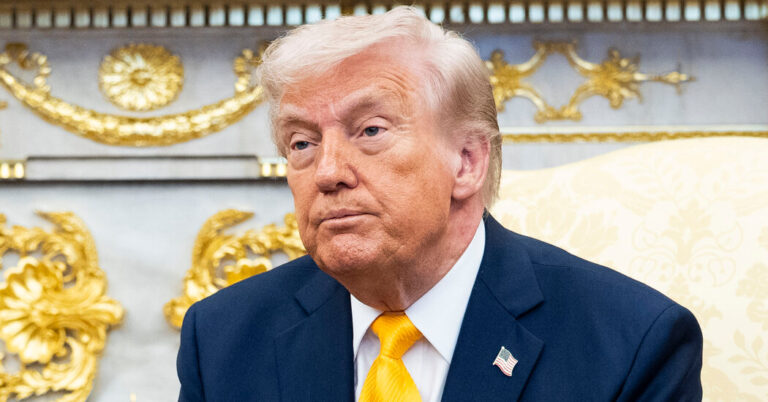
President Donald Trump said Thursday that he had privately urged Israeli Prime Minister Benjamin Netanyahu not to proceed with a strike on one of Iran’s largest offshore gas fields, highlighting growing differences between the two allies over how to conduct the war.
“I told him don’t do that,” Trump said, adding that he believes Netanyahu “won’t do that” again. The president maintained that U.S. and Israeli efforts remain broadly coordinated, even as events suggest diverging strategies.
The strike on the South Pars gas field—a critical source of Iran’s energy revenue—sent global markets into turmoil and triggered retaliatory attacks across the region. Israeli officials, speaking on condition of anonymity, said Washington had been informed ahead of the operation, though Trump later suggested the United States had no prior knowledge and played no role.
The incident has exposed a widening strategic gap. Israeli officials appear focused on dismantling Iran’s leadership and economic infrastructure in hopes of triggering what they describe as “state collapse.” European officials, however, warn that such an approach risks provoking broader escalation, with Iran likely to intensify strikes on regional energy assets and neighboring countries.
That dynamic has already begun to unfold. Following the South Pars attack, Iran launched missiles at Ras Laffan Industrial City in Qatar, damaging key facilities and further destabilizing global energy markets.
Trump has expressed concern that continued strikes on energy infrastructure could drive oil and gas prices higher and deter shipping through the Strait of Hormuz, a vital chokepoint for global energy supplies. In response, U.S. officials are exploring measures to stabilize markets, including releasing oil from strategic reserves and potentially easing restrictions on Iranian oil shipments already at sea.
Treasury Secretary Scott Bessent said the administration is considering allowing up to 140 million barrels of Iranian oil to reach markets temporarily to help curb price spikes, even as the conflict continues.
Meanwhile, Defense Secretary Pete Hegseth and Joint Chiefs Chairman Dan Caine said U.S. forces have struck more than 7,000 targets across Iran, including missile infrastructure near the Strait of Hormuz using advanced bunker-busting munitions.
Despite those claims, analysts say Iran’s rapid retaliation underscores that the United States has not achieved “escalation dominance”—the ability to deter further counterattacks. Tehran’s use of drones and missiles against regional targets has continued to disrupt markets and strain U.S. efforts to contain the conflict.
Concerns are also growing that Gulf states may soon respond more forcefully. In Riyadh, Saudi authorities intercepted ballistic missiles following the South Pars strike. Foreign Minister Faisal bin Farhan warned that the kingdom reserves the right to take military action if necessary.
“We will not shy away from protecting our country and our economic resources,” he said, adding that any remaining trust between Saudi Arabia and Iran has been “completely shattered.”
As the war enters its third week, the combination of military escalation and economic instability is raising questions about whether the conflict can be contained—or whether it risks expanding into a broader regional confrontation.