Iran’s supreme leader struck a defiant tone Friday as protests continued to sweep the country, accusing demonstrators of serving the interests of U.S. President Donald Trump while authorities moved to further isolate the Islamic Republic from the outside world.
In his first major public remarks since the unrest erupted nearly two weeks ago, Ali Khamenei said protesters were “ruining their own streets to make the president of another country happy,” according to Reuters. He dismissed Trump’s repeated threats of intervention and said the U.S. leader should instead focus on domestic problems at home.
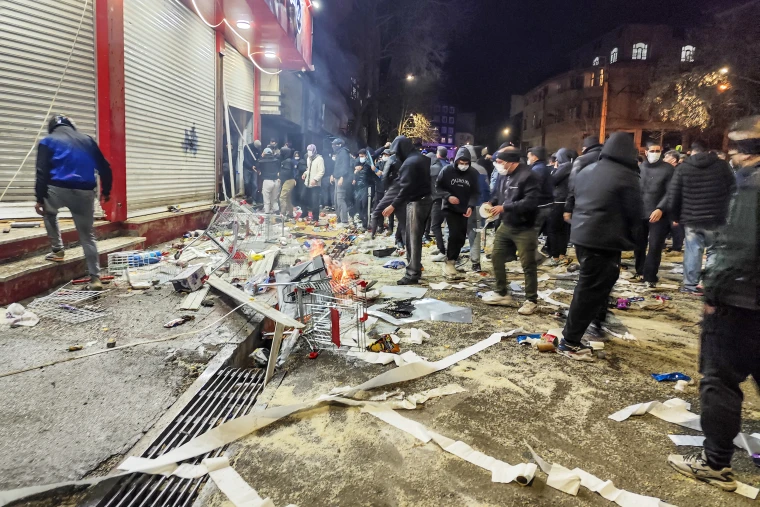
The short address aired on state television after what appeared to be the most intense night of demonstrations so far. The unrest began over Iran’s worsening economy but has evolved into a broader challenge to the country’s clerical leadership.
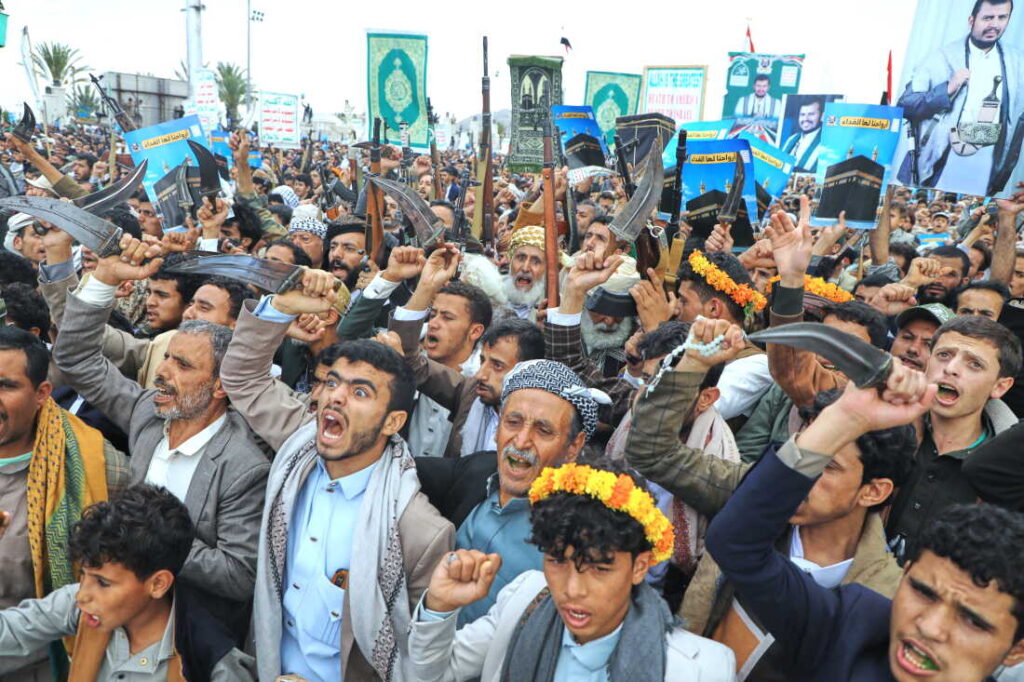
Khamenei’s comments signaled an escalation in the government’s response. Authorities imposed a nationwide internet shutdown and cut off most international calls as security forces sought to contain the demonstrations. Videos circulating before the blackout showed large crowds filling the streets of Tehran and other cities late Thursday into Friday, marking one of the largest displays of opposition to the religious establishment in years. Dozens of people have already been killed in a violent crackdown, according to rights groups.
The protests initially flared in central Tehran following the collapse of Iran’s currency and sharp increases in prices. They have since spread across the country, with demonstrators chanting slogans against Khamenei, the most powerful figure in Iran.
Some protesters have even voiced support for the late former shah, Mohammad Reza Pahlavi, whose rule ended in the 1979 revolution. His exiled son, Reza Pahlavi, has publicly urged Iranians to continue demonstrating — a stance that would once have carried severe penalties inside the country.
Internet monitoring group NetBlocks said Iran entered a full nationwide blackout by early Thursday evening local time, a tactic frequently used by authorities during past protests to prevent coordination among demonstrators and to stop images of violence from reaching the outside world.
“Iran is now in the midst of a nationwide internet blackout,” the group said.
After nearly two weeks of unrest, officials appear divided over how to respond, issuing mixed signals even as security forces intensify efforts to suppress the demonstrations.