The White House on Wednesday unveiled a series of framework trade agreements with several Latin American nations aimed at easing rising prices on grocery staples such as bananas, coffee and cocoa.
The agreements — reached with Argentina, Guatemala, El Salvador and Ecuador — will roll back U.S. import tariffs currently set between 10% and 15%, a senior administration official told reporters during a background briefing.
While the administration did not provide estimates on how much prices could fall, the official said the White House expects “some positive effects for prices,” particularly on goods the U.S. does not produce domestically, including coffee, cocoa and bananas.
The announcement comes as food costs continue to climb. Over the past year, coffee prices have risen 18.9%, bananas 6.9% and beef 14.7%, according to September data from the U.S. Bureau of Labor Statistics.
Economists say the tariff changes could help modestly reduce or slow price increases for bananas and coffee, but warned that global supply shortages — driven largely by extreme weather — will limit how much relief American shoppers ultimately see. Beef prices are unlikely to move, they noted, because most U.S. beef comes from domestic ranchers and is unaffected by import levies.
“Removing these tariffs will matter to some degree, but consumers shouldn’t expect massive price decreases,” said Jason Miller, a supply chain professor at Michigan State University.
Coffee remains one of the trickier items to bring down in cost. Severe weather across major growing regions has sharply reduced global supply, Miller said, adding that while Trump-era tariffs added pressure, the countries included in the new framework — none of which are among the top exporters of coffee to the U.S. — limit how much prices can fall. Brazil, Colombia and Vietnam, the largest suppliers, are not part of the tariff rollback.
“Until we hear Brazil get mentioned, I wouldn’t get excited,” Miller said.
Bananas, however, could see more noticeable relief. Guatemala and Ecuador—two of the largest banana suppliers to the U.S.—are among the countries receiving tariff cuts. Guatemala alone accounts for more than 25% of all bananas sold in the U.S., said Michael Sposi, an economics professor at Southern Methodist University.
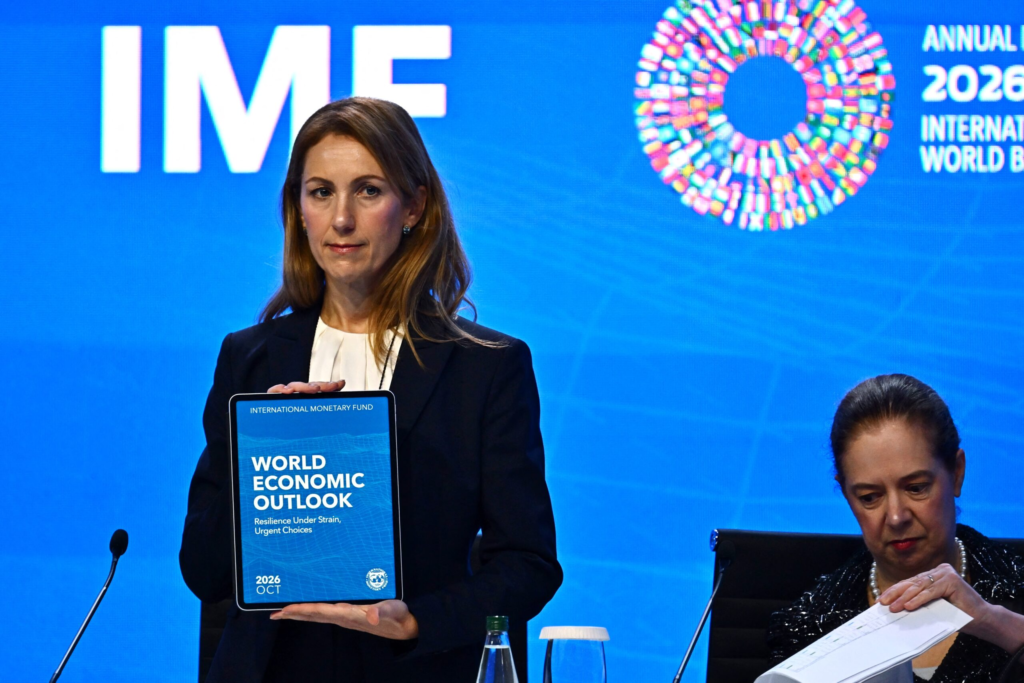
Tariff reductions may coincide with improving global supply conditions. After weather and disease disrupted production earlier this year, banana prices peaked in February at $1,250 per metric ton before falling to $950 by June, according to International Monetary Fund data.
“Bananas are one where you can directly point to tariffs driving a piece of the price increase,” Miller said. Still, he cautioned that any decline in U.S. prices may amount to only “a couple of cents,” noting supermarkets could choose to retain some of the savings.