The federal government shutdown entered its third week on Friday, now ranking as the second longest in U.S. history, with no resolution in sight as Republicans and Democrats remain locked in a bitter standoff over government funding.
The Senate once again failed to advance a short-term spending measure that would have reopened the government through November 21, while the House of Representatives remains out of session until next week. The impasse has left hundreds of thousands of federal workers without pay and key programs facing disruption.
Friday marked a grim milestone for federal employees — their first missed full paycheck since the shutdown began. Unions representing government workers have urged lawmakers to act swiftly, warning of widespread financial hardship among families who live paycheck to paycheck.
Meanwhile, several states have warned that unless funding is restored soon, they may be forced to suspend Supplemental Nutrition Assistance Program (SNAP) benefits starting November 1, potentially affecting millions of low-income Americans.
In a highly unusual move, the Pentagon confirmed it has accepted an anonymous $130 million donation to help cover military pay if the shutdown continues. The Defense Department said the contribution was made under its “general gift acceptance authority.”
“The donation was made on the condition that it be used to offset the cost of service members’ salaries and benefits,” said Pentagon spokesman Sean Parnell in a statement.
The total cost of paying troops during the shutdown is estimated at $6.8 billion, meaning the donation covers only a small portion of the shortfall. Still, defense officials said it would provide temporary relief if Congress fails to approve a spending package soon.
The shutdown, now in its 21st day, trails only the 2018–2019 funding lapse, which lasted 35 days, as the longest in U.S. history. Negotiations remain frozen, with each side blaming the other for the impasse.
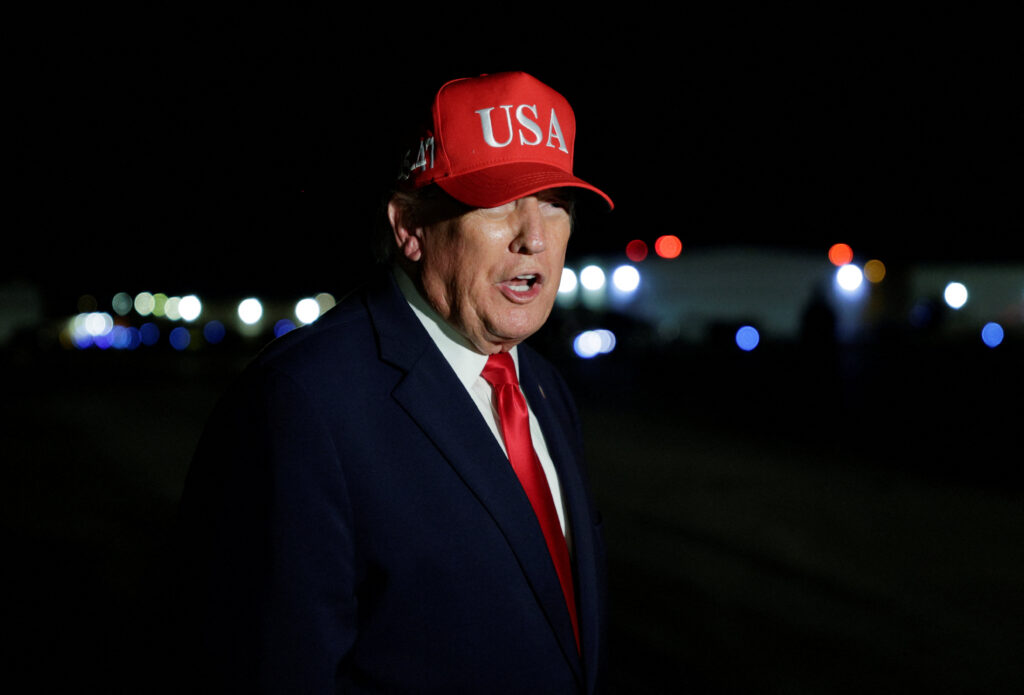
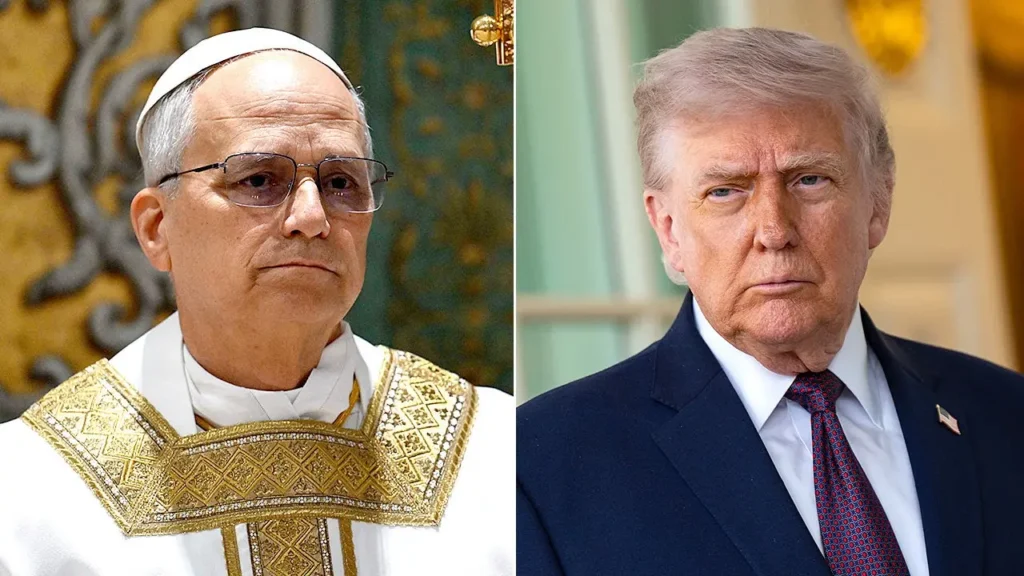
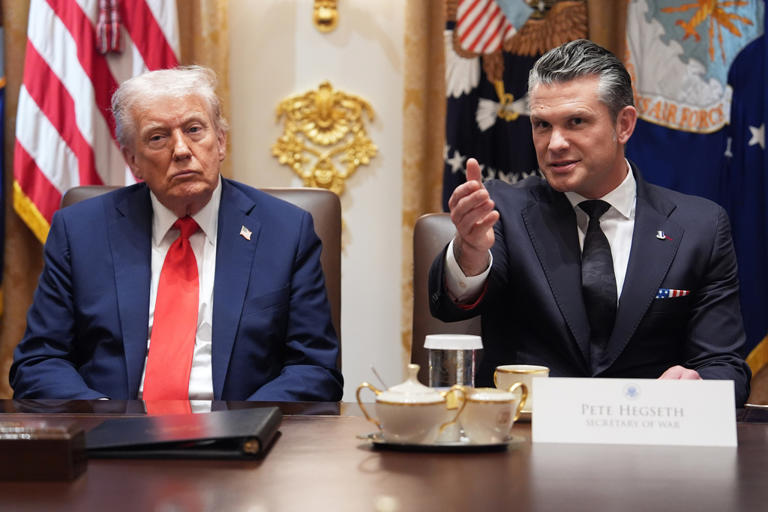
President Donald Trump has continued to insist on full funding for his budget priorities, while Democratic leaders demand broader agreements on social and infrastructure spending before approving any short-term measures.
With federal workers unpaid, essential programs strained, and military operations relying on stopgap measures, the pressure on Washington is mounting — but there is still no clear end in sight.