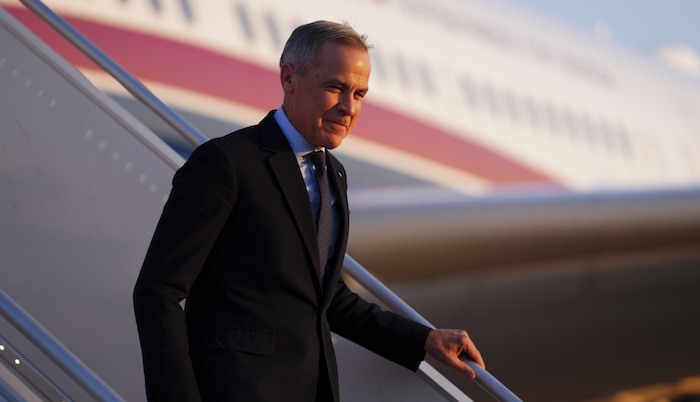
Canadian Prime Minister Mark Carney has begun his first official visit to Asia, a high-stakes diplomatic mission aimed at strengthening trade and security relationships across the region while reducing Canada’s reliance on the United States.
Officials said the week-long trip, which began Friday, will include stops in Malaysia, Singapore, and South Korea, where Carney will attend major regional summits — including the ASEAN and APEC meetings — and could feature a potential meeting with Chinese President Xi Jinping, signaling a tentative effort to reset strained ties between Ottawa and Beijing.
Analysts say the visit marks a key test of Carney’s foreign policy vision and his ability to project Canada as an independent global actor, separate from Washington’s increasingly protectionist approach.
“While the world economy is fragmenting, Carney needs to make it clear that Canada stands apart and remains committed to rules-based trade and globalisation,” said Vina Nadjibulla, vice president of the Asia Pacific Foundation of Canada.
The trip follows Canada’s recent free trade agreement with Indonesia, signed in September, which will grant duty-free access to 95% of Canadian exports within a year.
Trade Minister Maninder Sidhu said Ottawa is now pursuing similar pacts with the Philippines, Malaysia, South Korea, and Japan as part of a broader strategy to diversify export markets.
Despite those efforts, the United States still accounts for roughly 75% of Canadian exports, underscoring the urgency of Carney’s mission as he seeks new markets for energy, agriculture, and technology sectors.
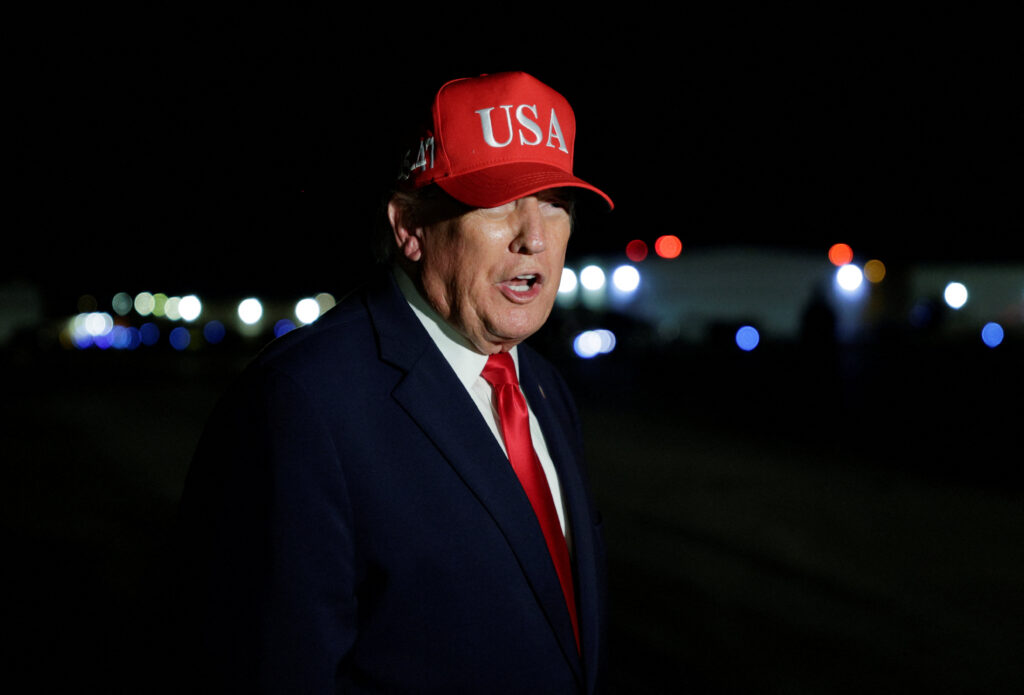
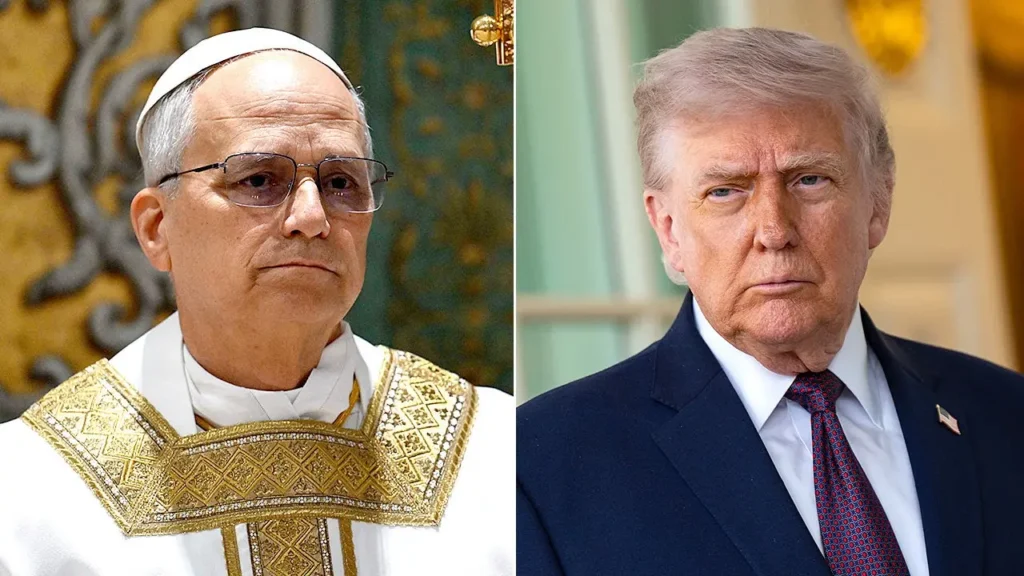
Carney’s trip coincides with U.S. President Donald Trump’s planned visit to Malaysia and South Korea, where Trump is also expected to meet President Xi. The overlap highlights the delicate balancing act facing Canada as it seeks closer economic ties with Asia while navigating the intensifying U.S.-China rivalry.
“Asia offers far greater business opportunities for Canada than Europe, particularly in energy and commodities trade,” said Fen Hampson, professor of international affairs at Carleton University. “But as tensions escalate between Washington and Beijing, Carney will have limited room to manoeuvre.”
Relations between Canada and China remain strained by tariff disputes on canola exports and electric vehicle imports, as well as lingering mistrust following past diplomatic frictions.
Hampson warned that progress on these issues would likely be difficult without a broader easing of U.S.-China tensions. “There’s enormous pressure on us from the Americans not to concede to what they view as their main strategic rival,” he said.
Carney’s Asia visit — his first since taking office in March — is widely viewed as a bid to reposition Canada’s foreign policy toward a more balanced, multipolar approach, signalling that Ottawa intends to play a more active role in the Asia-Pacific’s economic future.