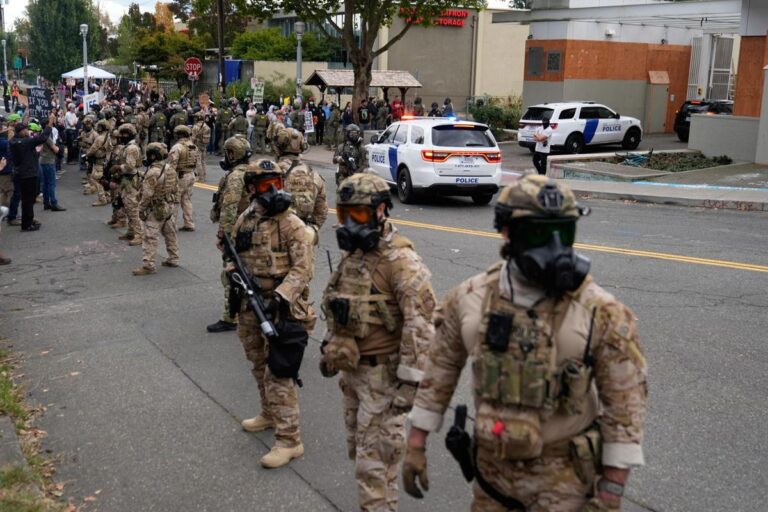
A federal judge has issued a temporary restraining order halting President Donald Trump’s attempt to federalize and deploy the Oregon National Guard to Portland, ruling that the move lacks the legal justification required to override the state’s authority.
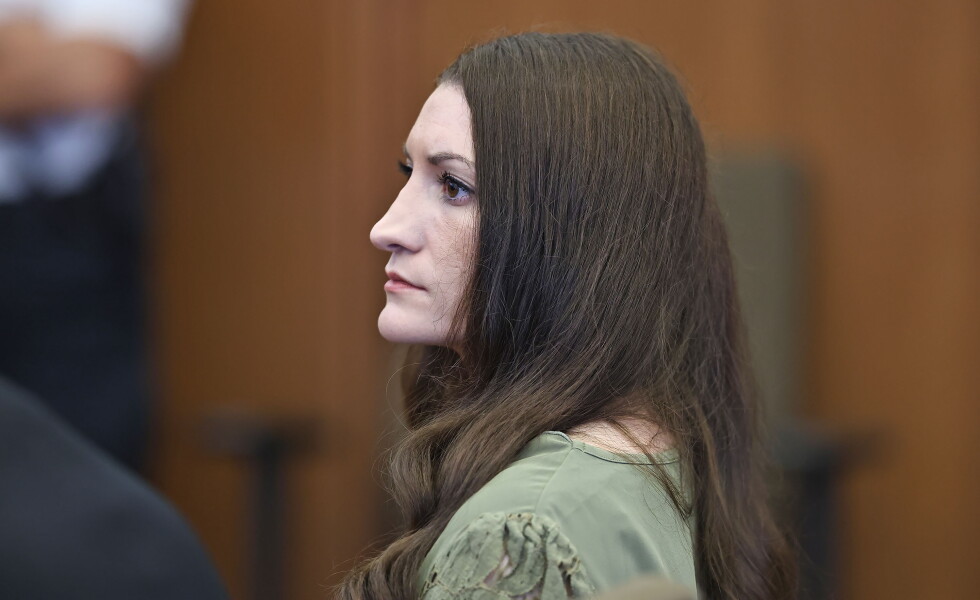
In a decision handed down late Saturday, U.S. District Judge Karin Immergut, a Trump appointee, barred the deployment of 200 National Guard soldiers for at least 14 days. The ruling marks a legal setback for the Trump administration’s broader effort to assert federal control over local law enforcement during periods of civil unrest.
While acknowledging that protests in Portland have continued, Judge Immergut found no evidence of widespread violence to warrant military intervention.
“These incidents are inexcusable,” she wrote, “but they are nowhere near the type of incidents that cannot be handled by regular law enforcement force.”
She emphasized that the president’s attempt to bypass Oregon Governor Tina Kotek’s authority did not meet the constitutional threshold for unilateral federalization of state forces.
Trump had announced on social media last month that he would send troops to “war-ravaged Portland” to protect immigration facilities and restore order. But Judge Immergut dismissed that characterization as exaggerated and misleading.
“The President’s determination about the purported chaos in Portland is simply untethered to the facts,” she wrote, warning that the deployment would likely exceed presidential authority under the Constitution.
The judge also expressed concern about the broader implications of federal military involvement in domestic affairs.
“This country has a longstanding and foundational tradition of resistance to government overreach, especially in the form of military intrusion into civil affairs,” she wrote. “This is a nation of constitutional law, not martial law.”
The ruling affects 200 Guard members who had been training along Oregon’s coast in preparation for deployment. The Trump administration is expected to appeal the decision to the Ninth Circuit Court of Appeals, which previously overturned a similar ruling that attempted to block a National Guard deployment to Los Angeles earlier this year.
Civil liberties advocates praised the decision as a check on federal overreach, while administration officials criticized the order as an obstacle to public safety.
As political tensions rise heading into the 2026 midterm elections, the case underscores deep divisions over the role of federal power in policing domestic protests and the limits of presidential authority in times of civil unrest.