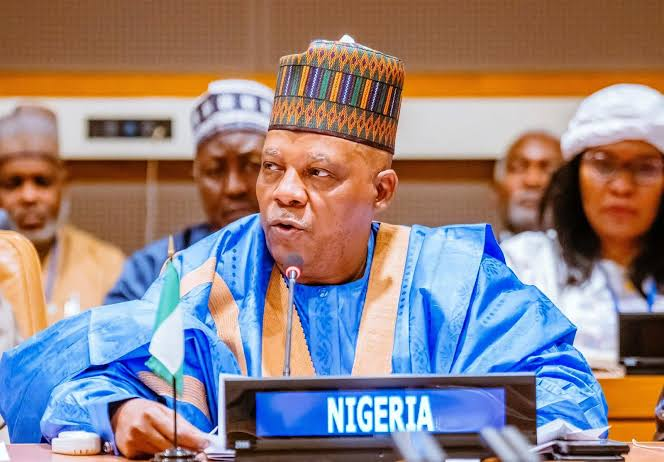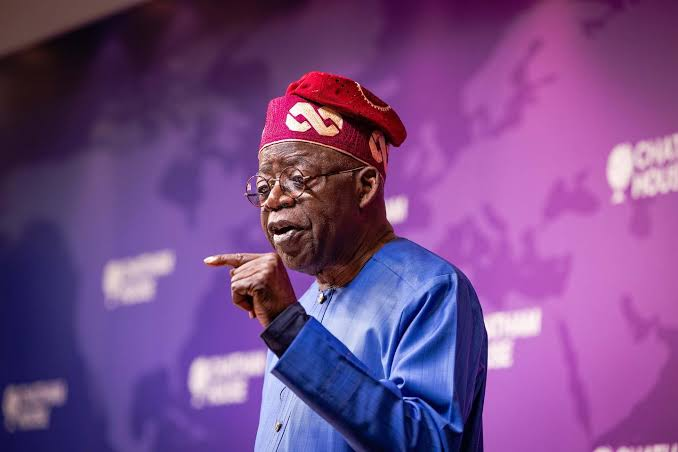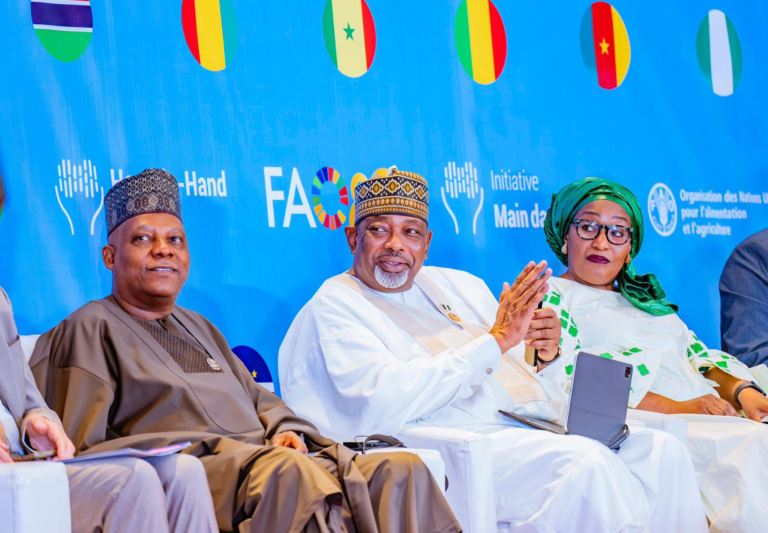
The Federal Government has rolled out new incentives to boost agricultural investment under President Bola Ahmed Tinubu’s Renewed Hope Agenda. Vice President Kashim Shettima announced the measures on Tuesday in Abuja at the Food and Agriculture Organization (FAO) National and Sub-regional Hand-in-Hand Investment Forum.
Shettima said the incentives form part of reforms aimed at unlocking Nigeria’s food production potential, creating rural jobs, and driving food security. He described hunger as “the great equaliser that reveals our vulnerabilities and the shared fragility of our existence,” stressing that agriculture must become a driver of growth and prosperity.
The new measures include:
- Single-window platforms for land registration
- Expanded agricultural credit systems
- Large-scale mechanisation
- Strategic irrigation projects
According to Shettima, Nigeria has the capacity to irrigate more than three million hectares of farmland but currently uses less than 10 percent. “Strategic investment in irrigation alone could triple yields, free us from seasonal dependency, and fortify our resilience against climate shocks,” he said.
The Vice President reaffirmed government’s target under the 2021–2025 National Development Plan to lift 35 million people out of poverty and create 21 million rural jobs. He assured investors that regulatory reforms, agri-tech innovations, and public-private partnerships would make Nigeria “open for business.”
Agriculture Minister Abubakar Kyari described Nigeria’s large domestic market, vast arable land, and growing digital economy as unique investment opportunities. His counterpart in Budget and Economic Planning, Senator Atiku Bagudu, said agriculture, particularly irrigation, remains central to Nigeria’s diversification agenda.
International partners, including FAO, the EU, and The Gambia’s Agriculture Minister, commended Nigeria’s vision, with FAO representative Dr. Hussein Gadain praising Shettima’s “genuine commitment and visionary leadership” in transforming the agri-food system.
But farmers urged government to move beyond promises. All Farmers Association of Nigeria (AFAN) President, Kabir Kebram, warned that “policies without proper implementation will not yield results,” while Competitive African Rice Forum Chairman, Peter Dama, cautioned against “a cycle of promises without delivery.”
The Small-Scale Women Farmers Organisation in Nigeria (SWOFON) said interventions have failed to reach grassroots farmers. Its National Secretary, Chinasa Asonye, lamented that “one-third of what we have been advocating for has not been implemented” and criticised low budgetary allocation to agriculture, which stands at less than 1.9 percent far below the 10 percent recommended under the Malabo Declaration.
“We will continue to talk, we will continue to tell them our issues, and probably one day the government will listen. They know our problems, but if they fail to look into them, farmers will keep struggling by themselves,” she said.