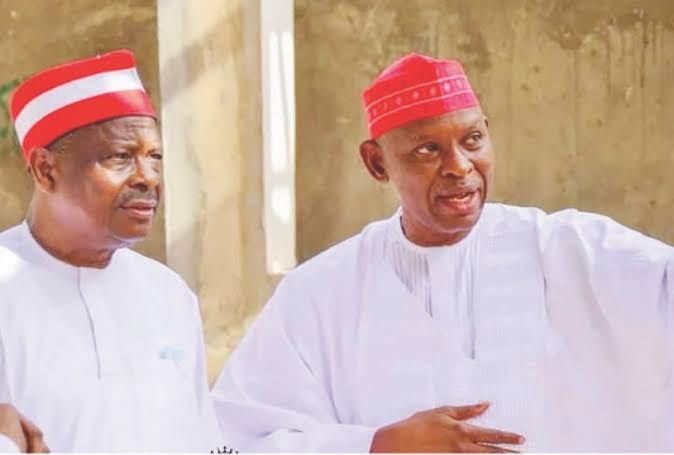
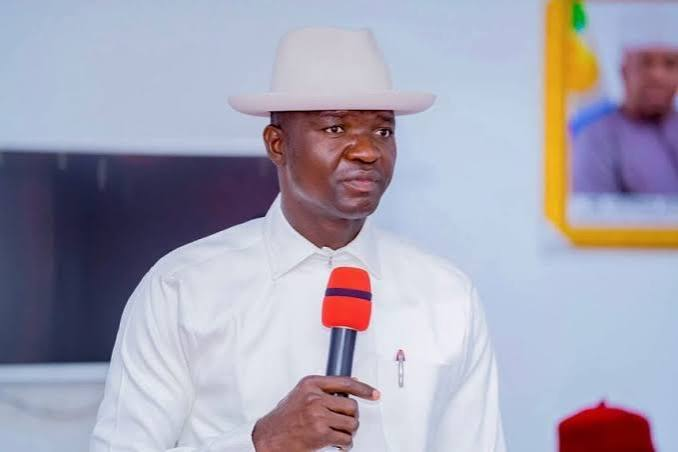
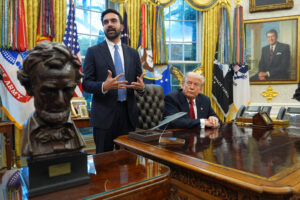
Deputy Speaker of the House of Representatives, Benjamin Kalu, has officially withdrawn his proposed indigeneship bill, following intense public criticism and concerns over its potential implications.
In a statement issued Tuesday by his media aide, Levinus Nwabughiogu, Kalu said the decision was based on feedback from stakeholders and a detailed report from the National Institute for Legislative and Democratic Studies (NILDS).
“Although the intention of the bill was to promote national unity, equity, and inclusiveness among all Nigerians, regardless of where they reside, part of the report stated that the state houses of assembly should make laws that will make settlers in different states enjoy the same rights and privileges as the indigenes,” Kalu explained.
The bill, which had only scaled first reading, aimed to grant Nigerians who have resided in a state for a specific period the same rights and privileges as indigenes, in a bid to foster national integration and curb identity-based discrimination.
However, the NILDS review raised red flags, warning that the bill, though well-intentioned, could lead to legal confusion, especially in cases where individuals might claim multiple or overlapping indigeneship statuses.
“Though the bill seeks to achieve some commendable objectives, this can be achieved through enactment of law. If this bill is passed, it would pose challenges with time, especially on the issue of double or multiple indigeneship,” the NILDS report stated.
The proposal had also faced backlash from socio-cultural groups, who feared it could undermine state autonomy, inflame ethnic tensions, and distort local governance frameworks.
Kalu, who also chairs the House Committee on Constitution Review, reiterated his commitment to a people-driven and participatory legislative process, assuring that any future constitutional reform would reflect broad national consensus.
“The conversation on equality and national cohesion must continue. Future efforts will involve inclusive dialogue with all stakeholders,” he said.
The withdrawal marks a pause but not an end to ongoing debates about citizenship, residency rights, and national unity in Nigeria’s constitutional framework.