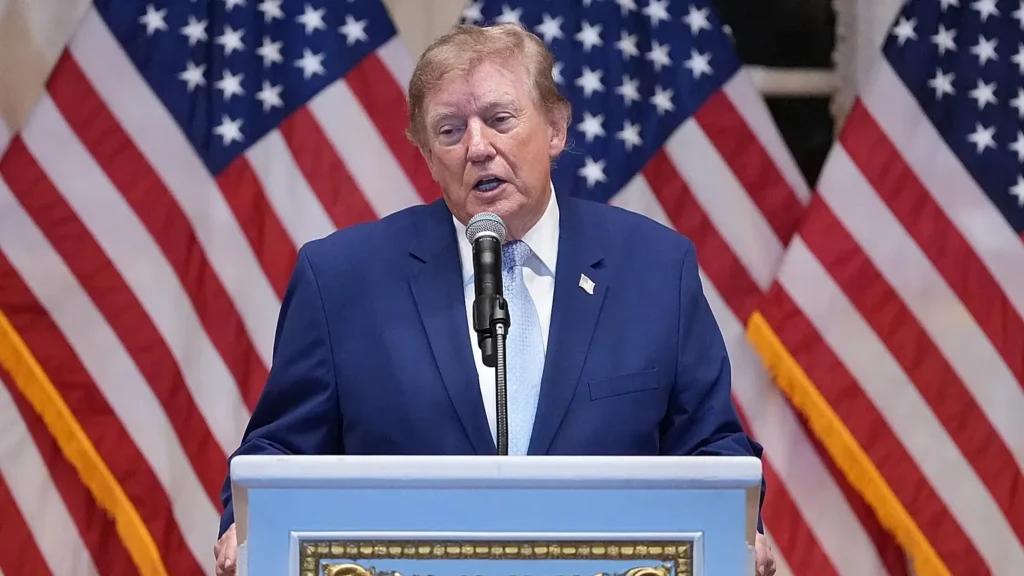
Drastic reductions in U.S. foreign humanitarian aid initiated under former President Donald Trump could result in more than 14 million preventable deaths by the end of the decade, with children accounting for nearly one-third of the toll, according to a new study published in The Lancet medical journal.
The analysis, led by Davide Rasella of the Barcelona Institute for Global Health, paints a dire picture of the global fallout from the cuts. “For many low- and middle-income countries, the scale of the impact would rival that of a global pandemic or major armed conflict,” Rasella said.
The research reviewed health and mortality data from 133 countries and estimated that U.S. foreign aid — primarily distributed through the United States Agency for International Development (USAID) — helped prevent over 91 million deaths between 2001 and 2021. However, the study warns that an 83% reduction in aid, announced earlier this year by Secretary of State Marco Rubio, could erase two decades of progress.
Among the projected losses, more than 4.5 million deaths are expected to be children under five, averaging 700,000 child fatalities each year through 2030.
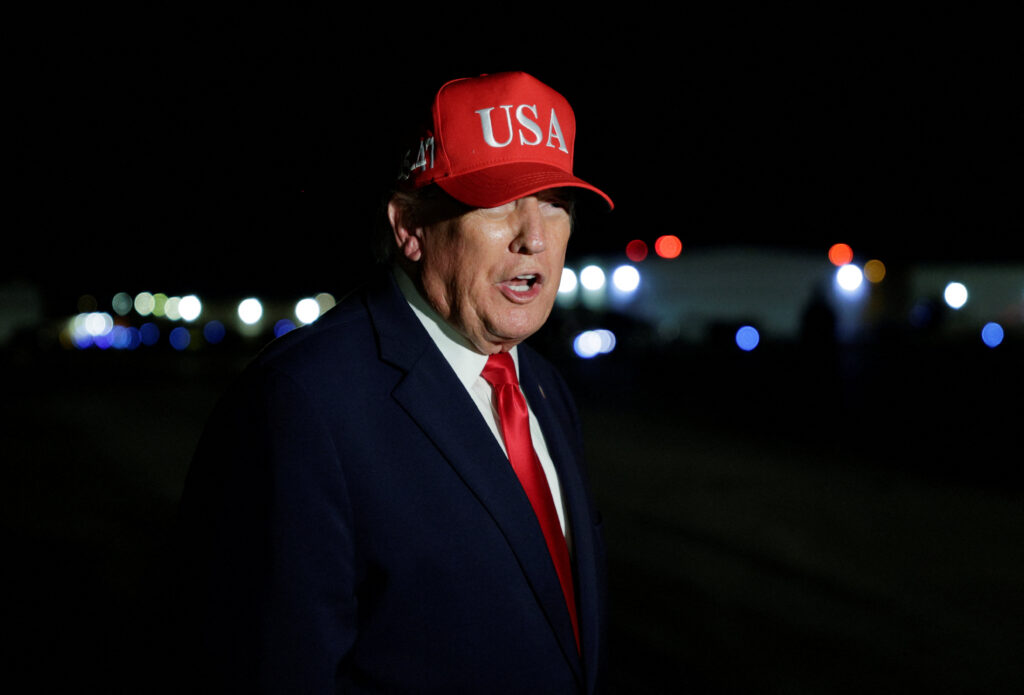
The funding cuts are part of a broader government streamlining initiative launched during Trump’s term and heavily influenced by billionaire Elon Musk. The program aimed to reduce federal spending and restructure international aid by consolidating operations under the State Department. Rubio defended the shift, claiming it would lead to “more efficient aid delivery” and stronger Congressional oversight.
But aid organizations and international agencies are raising alarms about the worsening humanitarian conditions on the ground. In Kenya, food supplies in refugee camps have plunged to historic lows. A BBC investigation at the Kakuma camp documented severely malnourished children, including an infant with peeling skin, unable to move — a stark example of the crisis many vulnerable communities now face.
The Lancet report was released in tandem with the largest United Nations humanitarian aid summit in over a decade, currently underway in Seville. Rasella and fellow researchers are urging global leaders to act swiftly to mitigate the crisis. “The consequences of these cuts will be devastating,” Rasella said. “We are on the verge of a humanitarian collapse in parts of the world that cannot afford to lose this support.”