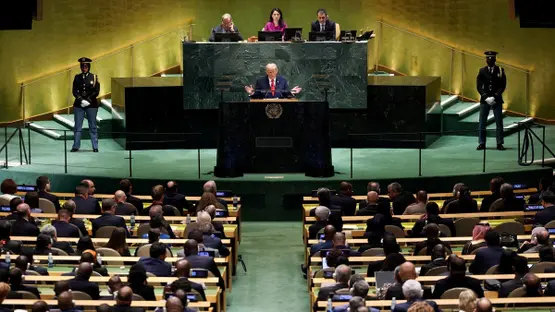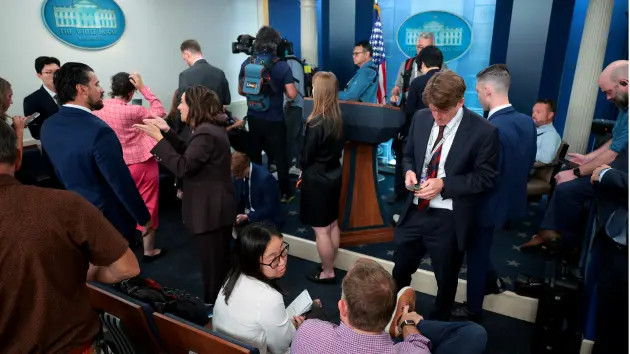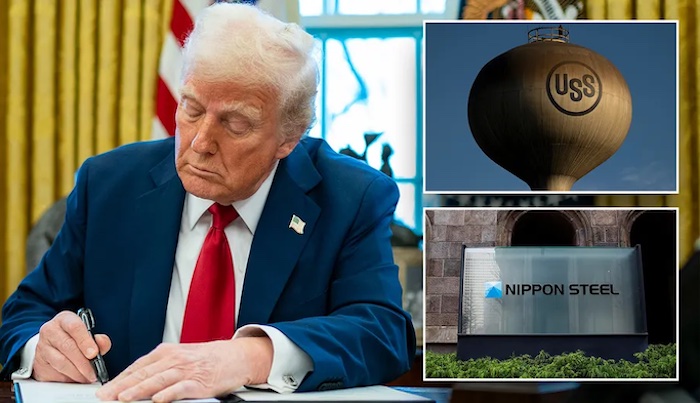
U.S. President Donald Trump has signed an executive order doubling tariffs on steel and aluminum imports, raising the rate from 25% to a striking 50%. The new measure, which took effect Wednesday, marks the second tariff increase on these key industrial materials since March and has triggered alarm across global markets and U.S. manufacturing sectors.
Speaking at a rally held at a U.S. Steel facility, Trump defended the decision as a necessary move to protect domestic industry. “Nobody’s going to get around that,” he said to a cheering crowd. “At 25%, they can get over that fence. At 50%, they can no longer get over the fence.”
But industry leaders and economists warn that the tariff hike could severely disrupt international steel trade, inflate costs for U.S. manufacturers, and strain diplomatic relations. The United States is the world’s second-largest steel importer, sourcing significant volumes from countries including Canada, Brazil, Mexico, and South Korea.
One key exception to the new rule is the United Kingdom, which secured a carve-out allowing tariffs on its metals to remain at the original 25%. Trump cited “ongoing trade discussions” with London as the reason for the exemption. UK Trade Secretary Jonathan Reynolds welcomed the decision, expressing hopes for continued progress toward removing the tariffs entirely. However, Gareth Stace, Director General of UK Steel, warned that the original March tariff had already disrupted trade flows and that a 50% rate would have been “catastrophic.”
U.S. businesses that rely on imported metals are also sounding the alarm. Rick Huether, CEO of Maryland-based Independent Can Co., which uses European steel to produce decorative tins, said the uncertainty has forced him to pause investments and raise prices. “There’s a lot of chaos,” he said.
At Drill Rod & Tool Steels in Illinois, supply chain manager Chad Bartusek is already calculating the impact. A steel shipment that would have carried $72,000 in duties under the 25% rate is now expected to face nearly $145,000 in tariffs. “It’s one punch after the other,” he said. “Hopefully, this settles down quickly.”
Economists say the ripple effects could extend well beyond the steel and aluminum industries. Erica York, an analyst at the Tax Foundation, warned that tariffs on industrial inputs often lead to broad economic harm. “It’s very foolish to double down on this type of tariff in particular,” she said. “It risks widespread job losses and undermines competitiveness in U.S. manufacturing.”
As global trade partners assess the fallout and U.S. businesses brace for higher costs, the White House has given no indication that it plans to reconsider the policy shift.