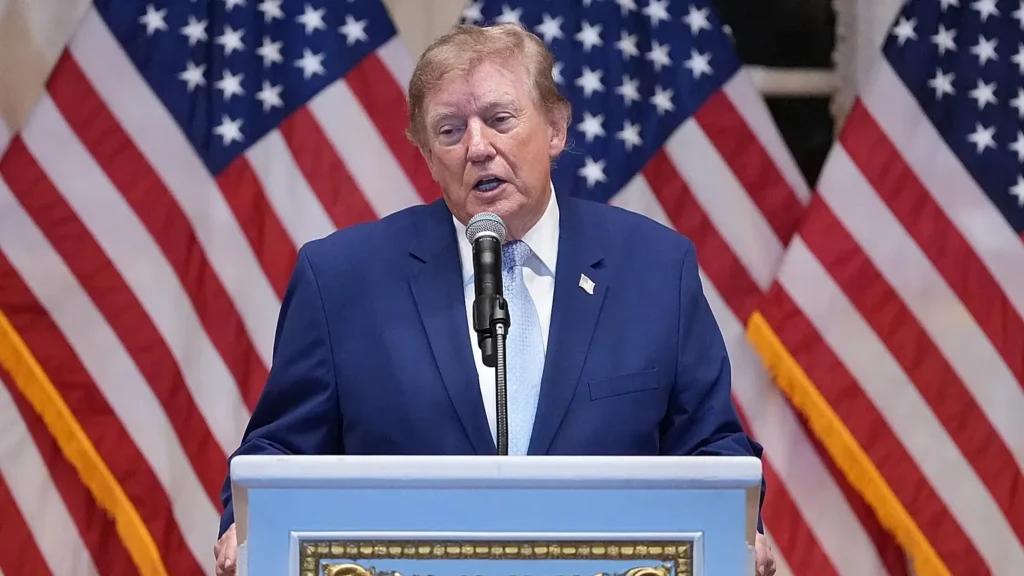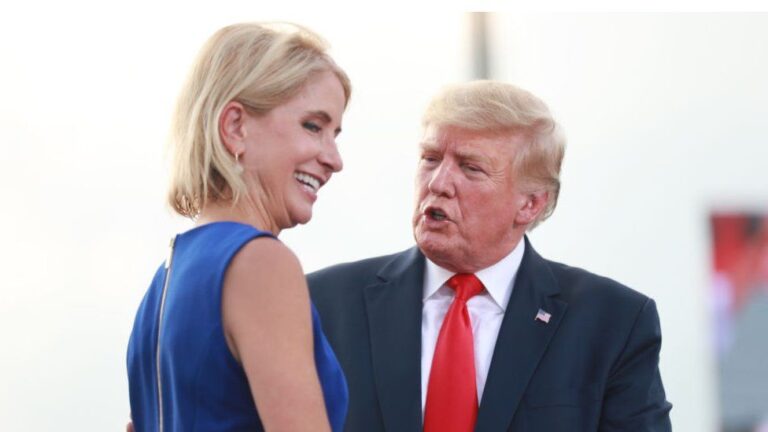
Donald Trump has shown great pride in handpicking the next wave of Republican stars.
Back when he was still in the White House, he wrote on Twitter: “As long as I campaign and/or support Senate and House candidates (within reason), they will win!”
In this primary season, he hasn’t been far off.
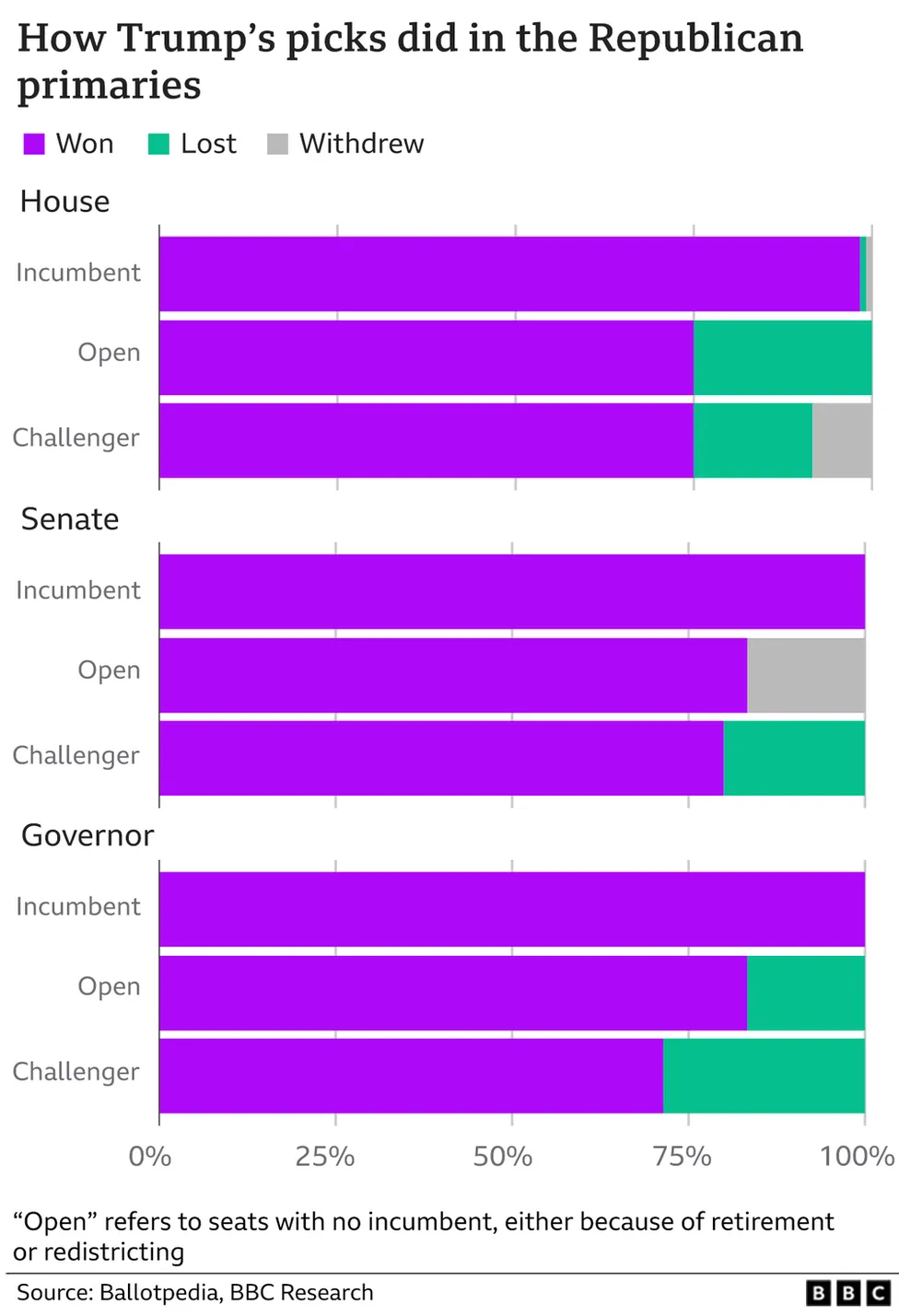
Over the past several months, candidates endorsed by Mr Trump have pocketed victories across the country, winning 92% of the time.
From his home in Palm Beach, Florida, the self-proclaimed “king” of endorsements has weighed in on almost 200 races, backing Republican candidates running for the US Senate, House or state governor in 39 out of 50 states. It’s an unusually high number – during the 2018 midterms, he backed just under 90 candidates for those same positions, according to Ballotpedia. That same year, former President Barack Obama endorsed 94 candidates.
The election will see voters decide who gets to sit in Congress, as well as hold key positions in their home state. And come November, it’s Mr Trump’s picks who will be representing the Republican Party on ballots across the US.
“It’s extraordinary, because most ex-presidents walk away,” said Charles Coughlin, a Republican party operative. “That’s not what he’s doing.”
As the primary season draws to a close, here’s a look at Mr Trump’s full endorsement record – who he supported, how they did, and the races he couldn’t swing.

While it’s beyond doubt that Trump backs winners, there’s an important caveat: many of these races were a sure thing from the start.
Some 54 (nearly one-quarter) of Mr Trump’s candidates ran unopposed.
And his record was boosted further by supporting a large majority (74%) of incumbents – tried and true candidates with Republican bonafides who had won their seats in the last election and were running for office again. In fact, only a single Trump-endorsed incumbent lost: the scandal-ridden Madison Cawthorne, who served two years as a House representative from North Carolina.
“He is clearly endorsing a number of people who are going to win anyway, so he can run up the percentage of victories. That’s just a smart strategy to run the numbers up,” said Whit Ayres, a longtime Republican strategist.
“The endorsements make him the most prominent figure in the Republican party,” he added. “And it increases his influence when Republicans are constantly asking for his endorsement.”
In open seats, where there is no incumbent either because of retirement or redistricting, a Trump-backed candidate won 83% of the time. And in races where the winner would face off against a Democratic incumbent in November, his pick won 100% of the time.
Mr Coughlin said the former president views “every candidate as a proxy for himself”. Their wins reflect back on him, and in many cases, they resemble him too. Of the new candidates that Mr Trump endorsed, who were not incumbents, roughly 80% were Caucasian and 70% were male.
And, like Mr Trump when he first ran for president, many (53%) were political neophytes, who had never held office before. The rookies ranged from celebrity doctor Mehmet Oz, to former college football player Bo Hines, just 26 years old and now the Republican nominee from North Carolina’s 13th congressional district.
BBC