Leading airline operator claims that Jet A1 cost N880 per litre in Kano, N780 in Abuja, and N740 in Lagos.
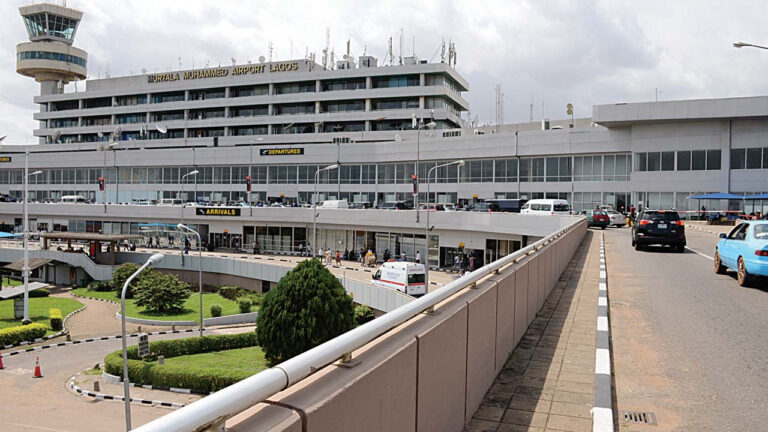
However, it was learned in a document provided to LEADERSHIP that flight arrival and departure schedules at Lagos’ Muritala Muhammed Airport’s (MMA2) terminal 2 have slowed down.
According to data collected, the terminal recorded a lower number of 172 flight departures in the first week of August 2022 compared to the 187 flight departures it recorded in the first week of July 2022.
Additionally, arrivals dropped from 225 in July to 140 in August, confirming the concerns of those involved in aviation about a decline in flight owing to the high cost of tickets, which was affected by increases in aviation fuel, foreign exchange, and other operating costs.
According to airline operators, this increase in the price of Jet-A1 has drained their earnings, making profitability extremely hard, as well as, passengers seeking alternatives to air transportation.
For instance, a return ticket on Max Air, Jos to Lagos goes for N280,000, and a return ticket from Portharcourt to Kano goes for N306,000. Lagos To Katsina goes for N148,000 while a return ticket from Abuja to Lagos is between N148,000 to N155,000.
Kaduna to Lagos flight on Azman Air is between N150, 000 to N170,000 while return ticket Maiduguri to Abuja for same day is N140,000 and Abuja to Birnin Kebbi goes for N150,000.
Abuja-Kano flight on Max Air is between N90,000 and N130,000; while it is between N74,000 and N80,000 on Air Peace. Also on Max Air, Abuja-Maiduguri is N90,000, and Lagos-Kaduna on Azman Air for a Wednesday flight is N130,000. A one-way Lagos-Abuja fare is now N80,000 and could be as high as N150,000 if the travel date is in 24 hours.
Air Peace return ticket from Abuja-Kano is between N140,000 and N160,000 and one-way, N78,000. A return from Abuja-Gombe is N150,000 and one-way, N75,000. For Abuja-Port Harcourt, a one-way ticket is N100,000; Abuja-Lagos, between N75,000 and N100,000.
Air Peace flight from Lagos to Enugu on Thursday (yesterday) showed that it costs N150,000 for a one-way ticket.
However, a LEADERSHIP investigation revealed that fuel now accounts for 70% of airlines’ operating costs, up from 40% before the global energy crisis due to the increase in Jet A1’s price.
Additionally, between January 2022 and April 2022, the price of aviation fuel increased by 268%, rising from N190 to between N750 and N900 in six months. As a result, domestic Nigerian airline carriers have threatened to halt operations, citing rising jet fuel prices and rising operating costs.
However, in a separate conversation with LEADERSHIP, the stakeholders expressed concern that the aviation sector would shut down in the coming years if the price rise, the cost of aviation fuel, and the high exchange rate are not curtailed.
Speaking to LEADERSHIP, the director of Research, Zenith Travel Consult, Olumide Ohunayo, said commercial airline operators have started cutting down on schedules because the nation’s airports are empty and being deserted by passengers due to price hikes.
According to him, passengers have, as well, reacted to the increase in price and cut down on air traveling by either embracing technology or other means of transportation.
He said, “patronage is a bit low now because the ticket price is not coming down. It is increasing daily and this is because aviation fuel is about N903 and we are in the summer, the Russia Ukraine crisis that led to sanctions which haven’t been lifted leading to the fuel crisis and we still have the naira exchange rate to the dollar that hasn’t shown any hope of reducing.
“We have still not met credit obligation to foreign airlines about the trapped funds to airlines so we have issue that makes us feel any favourable cost to Nigeria due to all these factors. And since it’s not refined in Nigeria we can’t eliminate the exchange rate”.
“Now, the airports are empty, airlines are reducing schedules and aircraft size. This is a reflection of the dwindling numbers of passengers at the nation’s airports which the airlines are reacting to in order not to have some losses we know that airline like Airpeace has just stopped Johannesburg routes and foreign airlines are also reducing flights and giving strong conditions that tickets not originating from Nigeria can no more be sold in Nigeria so all this hard positions of the airline are based on how they can survive this harsh operating environment led by fuel prices and increasing loss of the naira.”
Speaking on what to bring patronage to the airports, Ohunayo, said, “What we can do is to encourage the passengers by showing empathy and explain that prices are conditions of oil markets and assured them safety will always be the priority.
Passengers have reacted to the new prices and flight has dropped. What we can only do is that we have to also see how we can keep some of those routes alive and not shut them down completely for those who want to fly for important meetings because instead of having conferences outside of their destinations, organizations are reverting to zoom meetings that were on during COVID-19. This is a difficult time for the industry.
“Again, we can look at how the agencies can help with charges during this period, even surcharges on Jet A1 can be removed so that tickets can come down. These are ways to encourage more people to come back to the airports and probably there will be fare drops and possible promos from the airlines.
On his part, the former military commandant, Murtala Muhammed International Airport, Lagos, Group Capt John Ojikutu (rtd), said the price will continue to go up until Nigeria start refining these products locally.
According to him, in the ’90s, aviation fuel was refined locally and were transported through pipelines while the exchange rate was about N80 to a dollar.
He, however, said until Nigeria starts refining locally and the foreign exchange hike go down because aviation business is done in foreign currency, the industry will continue to witness price increase and may shutdown.
He said, “In the ’90s when the price was down, We are transporting fuel from most through pipelines and not with tankers.
The price cannot go down because if the dollar has been increasing from N80 in 2000 to what it is today and the refinery not working how do we bring down the price?” He asked rhetorically.
He stated further, “the component of commercial aviation anywhere in the world especially in Nigeria is in dollar so, if we cannot change all these components, there is nothing we can do. Also, let me say this 50 to 70 percent of people traveling are government and corporate officials and that are the ones buying tickets because very few people use their money to pay for tickets so let’s assume that the traveling public is generally 5 million and paying N50,000, if the price is increased to N100, 000, passengers will drop by 40 or 50 percent of that figure.
“The airline operators are not losing anything in terms of earning but possibly losing to hike in fuel price and the only way to address fuel is to refine fuel in this country. That’s the only way out but if we are still bringing fuel into this country under the same condition, we are not moving anywhere, and am worried that the industry can collapse in the next two or three years,” he concluded.