The United States has announced sweeping new sanctions on Russia’s two largest oil companies, Rosneft and Lukoil, accusing Moscow of showing “no genuine commitment” to ending the war in Ukraine, even as Russia conducted large-scale nuclear drills flaunting its strategic arsenal.
The U.S. Treasury Department unveiled the sanctions on Wednesday, saying they were designed to cripple the Kremlin’s ability to fund its ongoing military campaign. Treasury Secretary Scott Bessent called the move “a necessary step to stop the killing and push for an immediate ceasefire.”
Following the announcement, global oil prices surged more than $2 a barrel, reflecting fears of further disruptions to energy markets.
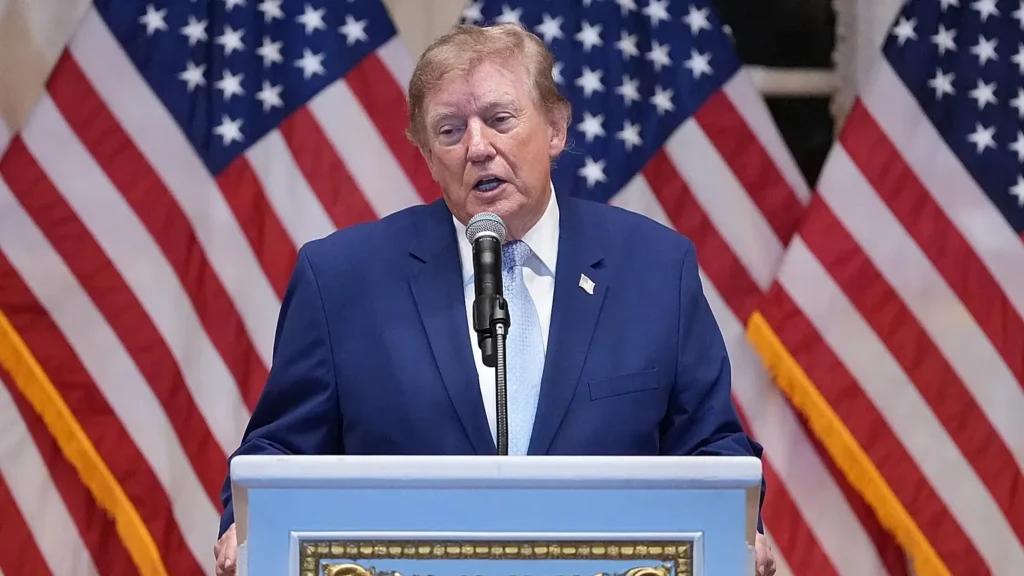
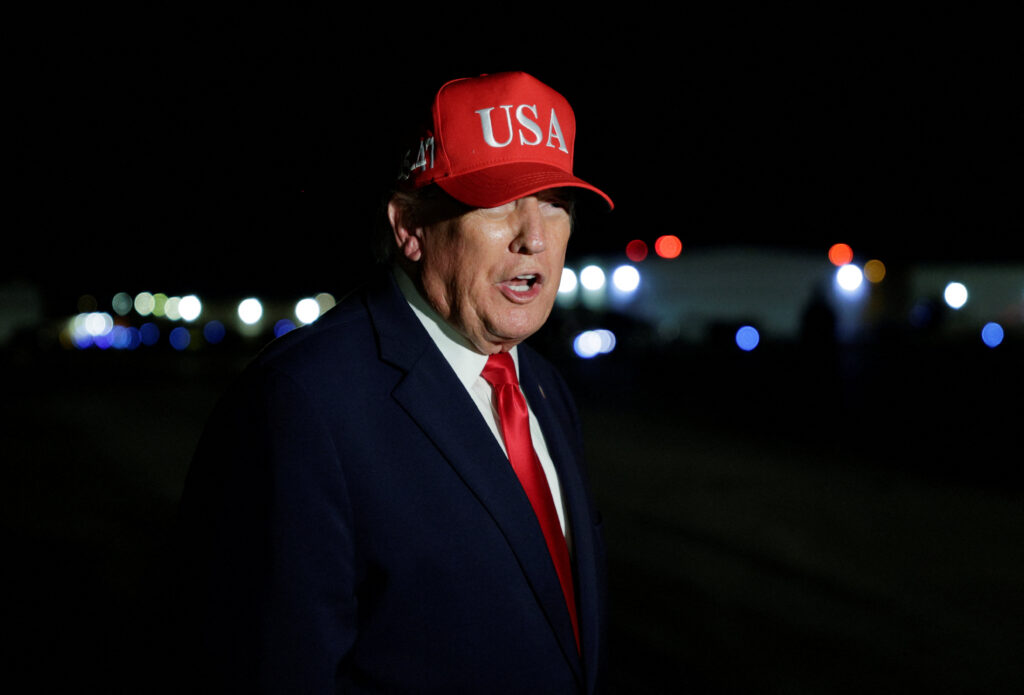
The decision marks a significant shift in the Trump administration’s approach to Russia. Just a week earlier, President Donald Trump had expressed hesitation about imposing new penalties, saying he hoped President Vladimir Putin would enter peace talks.
However, on Tuesday, Trump abruptly canceled a planned summit with Putin, telling reporters that “it didn’t feel right to me.” The collapse of the meeting followed a tense call between the two nations’ top diplomats, who failed to narrow key differences.
“Now is the time to stop the killing and for an immediate ceasefire,” Bessent reiterated while unveiling the measures.
Speaking alongside NATO Secretary General Mark Rutte, Trump said he still opposed sending Tomahawk missiles to Ukraine, arguing that Kyiv’s forces would need months of training to use them effectively.
He urged China’s President Xi Jinping to use his influence with Moscow to help broker peace. “I’d like to see President Xi help President Putin end this war,” Trump said ahead of his scheduled meeting with Xi in South Korea next week.
Meanwhile, the Kremlin released video footage of President Putin overseeing nuclear exercises that included launches from ground platforms, submarines, and long-range bombers. Russian officials said Tu-22M3 aircraft conducted drills over the Baltic Sea, shadowed intermittently by NATO fighter jets.
At key moments during the Ukraine conflict, Putin has invoked Russia’s nuclear capabilities as a deterrent against deeper Western involvement. NATO is currently holding its own nuclear deterrence exercises across Europe.
In Brussels, EU member states approved a 19th round of sanctions against Moscow, including a ban on Russian liquefied natural gas (LNG) imports. The measures were announced under Denmark’s rotating EU presidency.
The Wall Street Journal reported that Washington had relaxed restrictions on Ukraine’s use of long-range Western missiles, potentially enabling strikes deeper into Russian territory — a claim Trump denied on social media.
Despite earlier optimism about a potential Trump-Putin summit in Hungary, both governments have now shelved plans for an immediate meeting.
“I didn’t want to have a wasted meeting,” Trump said, while the Kremlin countered that Putin wished to avoid an “unproductive encounter.”
U.S. Secretary of State Marco Rubio, en route to the Middle East, said Washington still hoped to re-engage Moscow diplomatically. Kremlin spokesman Dmitry Peskov confirmed discussions were ongoing but warned that “thorough preparation takes time.”
According to diplomatic sources, Moscow reiterated its demand that Ukraine cede full control of the Donbas region, effectively rejecting Trump’s proposal for both sides to freeze along current front lines.
Now nine months into his second term, Trump continues to publicly call for an end to what he calls “Europe’s deadliest conflict since World War II,” alternating between criticism of Ukrainian President Volodymyr Zelensky and frustration with Putin’s intransigence.
As the sanctions reverberated through global markets, European defense stocks rose, reflecting expectations that EU nations will boost military spending to support Kyiv — even as diplomatic efforts to end the war appear increasingly distant.