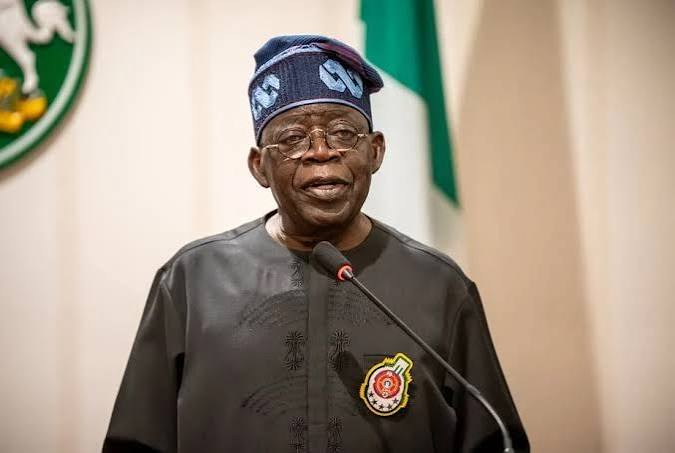
President Bola Ahmed Tinubu has approved a presidential pardon and clemency for 175 individuals, including Nigeria’s pioneering nationalist Herbert Macaulay and former Minister of the Federal Capital Territory, Major-General Mamman Vatsa (retd).
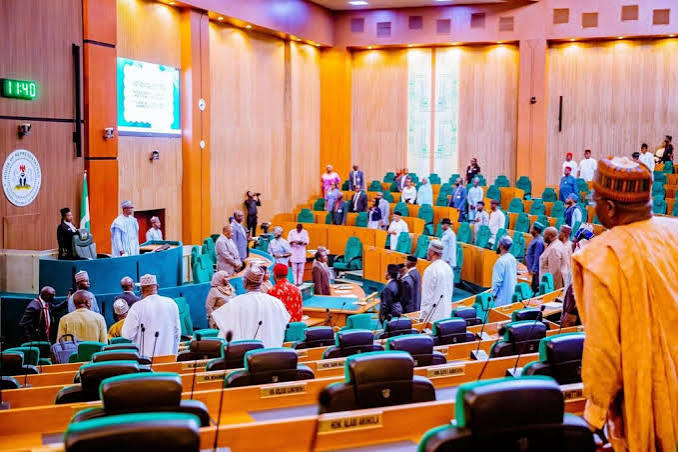
The decision, endorsed by the National Council of State on Thursday, followed a presentation by the Attorney-General of the Federation and Minister of Justice, Lateef Fagbemi (SAN), during the Council’s meeting at the State House, Abuja.
Fagbemi, who made the presentation on behalf of the President, explained that the recommendation was based on the report of the Advisory Committee on the Prerogative of Mercy, which reviewed appeals for pardon and clemency in accordance with constitutional guidelines.
Although the full list of beneficiaries has yet to be made public, sources at the meeting confirmed that Herbert Macaulay and Mamman Vatsa were among those included in the latest round of pardons.
Also said to be on the list are members of the Ogoni Nine and Ogoni Four, whose cases have remained symbols of Nigeria’s long struggle for justice and reconciliation since their execution under the military regime of the 1990s.
Macaulay, widely regarded as the “father of Nigerian nationalism,” was twice convicted by British colonial authorities in Lagos. His most notable conviction came in 1913, when he was prosecuted for alleged mismanagement of estate funds while working as a private surveyor—charges many historians have described as politically motivated due to his growing criticism of colonial rule.
Born in 1864, Macaulay was a civil engineer, journalist, and founder of the Nigerian National Democratic Party (NNDP), the first political party in Nigeria. His activism laid the foundation for the country’s independence movement.
Major-General Mamman Vatsa, on the other hand, was executed in 1986 following accusations of involvement in an alleged coup plot against then-military ruler General Ibrahim Babangida, a case that continues to spark debate about fairness and due process in Nigeria’s military history.