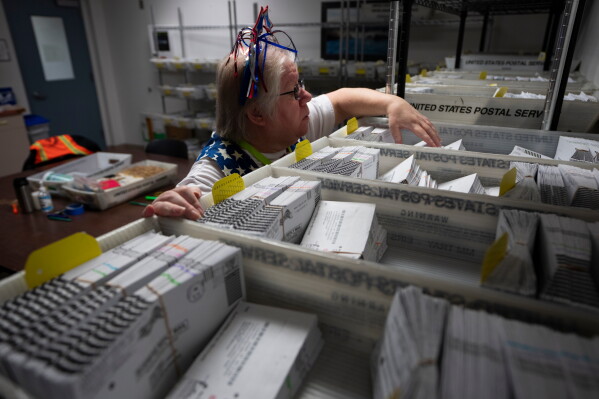
The U.S. Supreme Court on Monday rejected the Trump administration’s attempt to put new restrictions on mail-in ballots into effect ahead of the November midterm elections, allowing states to continue operating their existing vote-by-mail systems while voting is already underway.
The decision leaves in place a lower-court injunction blocking a U.S. Postal Service rule that would have imposed new federal requirements on the handling of election mail. The administration had asked the justices to allow the restrictions to take effect before elections that will determine control of Congress.
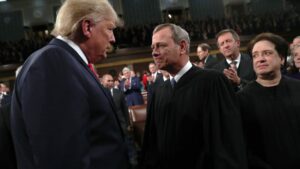
The court’s majority did not provide a detailed explanation for denying the government’s emergency request. Justices Samuel Alito and Clarence Thomas dissented.
In his dissent, Alito argued that the Postal Service has broad authority to regulate the mail and said the government had made the necessary case for allowing the rule to take effect while litigation continued.
Justice Brett Kavanaugh agreed that the restrictions should not take effect for the midterms but indicated that he could reach a different conclusion if the underlying legal dispute returns to the court later.
The proposed changes stemmed from a Trump executive order directing the Postal Service to develop new requirements for election-related mail. The resulting rule included federal requirements involving ballot-envelope designs and voter information submitted by states. Lower courts blocked implementation after states and other challengers argued that the changes were unlawful and could disrupt voting close to the election.
The restrictions could have had a particularly significant impact on states that rely heavily on voting by mail.
Washington Secretary of State Steve Hobbs said the ruling would allow election officials to continue preparing for a “safe, secure, and accurate election” without making major last-minute changes to their existing procedures.
Arizona Secretary of State Adrian Fontes said election security and voter access should not be treated as competing priorities, while Utah Lieutenant Governor Deidre Henderson, the state’s chief election officer, said voters could have confidence that the 2026 election would proceed normally.
The White House and Justice Department did not immediately comment on the ruling. The administration has previously defended the proposed restrictions as measures intended to strengthen election security.
The Supreme Court’s decision does not necessarily end the broader legal dispute over the administration’s authority to impose such requirements. For the upcoming midterms, however, the ruling means existing state mail-ballot procedures can remain in place as election officials continue preparations for November.