The House of Representatives has called for the enforcement of the Child Rights Act, 2003, which sets 18 years as the minimum age for marriage, as part of efforts to curb child marriage and protect girls across Nigeria.
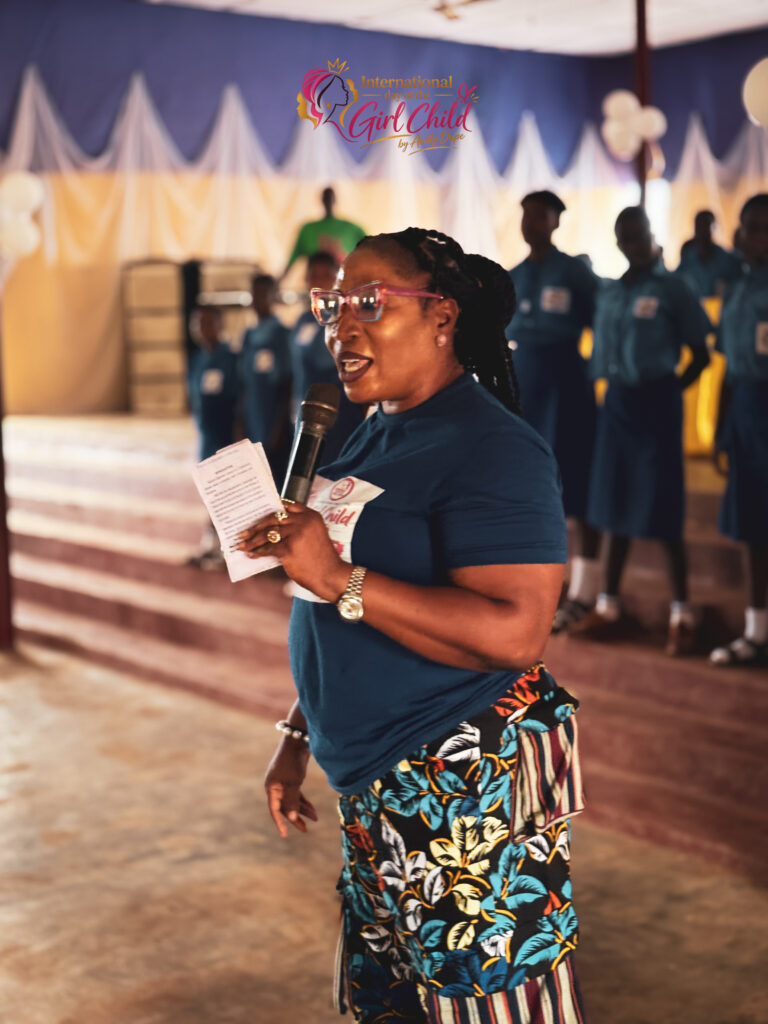
The resolution followed the adoption of a motion titled ‘End Child Marriage and Invest in the Girl Child’ during Thursday’s plenary. The motion was sponsored by Kafilat Ogbara, Chairman of the House Committee on Women Affairs and Social Development, to mark the International Day of the Girl Child, observed annually on October 11.
Leading the debate, Ogbara called for effective implementation of the Act and its adoption by all states to ensure that children receive equal protection regardless of their location or socioeconomic circumstances.
She described child marriage as a major human rights, public health, educational and socioeconomic challenge, particularly for girls in vulnerable communities.
“Child marriage remains a significant human rights, public health, educational, and socioeconomic challenge in Nigeria, disproportionately affecting girls in vulnerable communities and undermining their ability to enjoy childhood, complete their education, and participate fully in national development,” she said.
Ogbara warned that early marriage exposes girls to early pregnancy, maternal and newborn complications, gender-based violence and poverty, while limiting their access to education, healthcare and economic opportunities.
She said ending the practice was consistent with Nigeria’s obligations under international agreements, including the United Nations Convention on the Rights of the Child, the Convention on the Elimination of All Forms of Discrimination Against Women and the African Charter on the Rights and Welfare of the Child.
According to the lawmaker, these instruments require governments to protect children from exploitation, discrimination and harmful practices.
She called for coordinated action involving federal and state governments, local councils, traditional and religious leaders, parents, communities, development partners and other stakeholders.
“The theme, ‘End Child Marriage and Invest in the Girl Child,’ calls for urgent and coordinated action to protect girls from harmful practices, uphold their fundamental rights, and provide them with the education, healthcare, skills, and opportunities necessary to reach their full potential,” she said.
Following the motion’s adoption, the House urged the Federal Ministry of Women Affairs to work with the Ministries of Education, Health and Social Welfare, and Justice, alongside relevant agencies, to strengthen programmes aimed at preventing child marriage and protecting girls at risk.
Lawmakers also called for better coordination among government institutions and other stakeholders to address the social and economic factors driving early marriage and expand girls’ access to education, healthcare and essential services.
For further oversight, the House mandated its committees on Women Affairs and Social Development, Education, Health, Human Rights and Justice to consult relevant ministries, departments and agencies, civil society organisations and development partners.
The committees are expected to assess existing interventions, identify implementation gaps and recommend legislative and budgetary measures to end child marriage and increase investment in girls.
They are to submit their findings and recommendations to the House within four weeks.
The House reaffirmed the National Assembly’s commitment to strengthening legislation, developing policies and providing budgetary support to protect children and promote the welfare and development of Nigerian girls.