Official figures released Thursday by Israel’s Central Elections Committee confirmed that the opposition bloc led by former military chief Gadi Eisenkot secured 48 seats, leaving both alliances short of the 61 seats needed to control parliament.
The results set the stage for potentially difficult coalition negotiations, with Arab-led political parties emerging as possible power brokers in determining Israel’s next government.
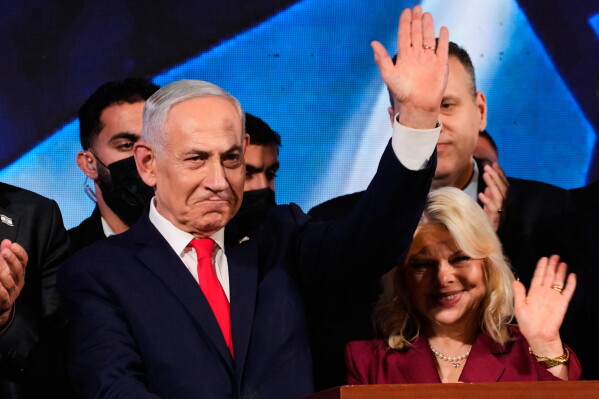
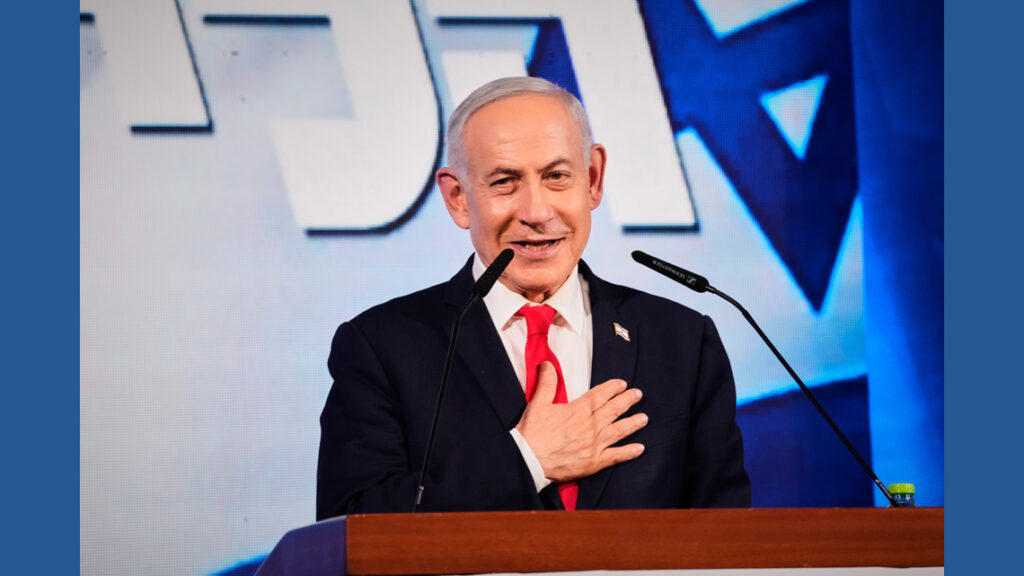
With all ballots counted, Netanyahu’s alliance finished ahead of the opposition but remained eight seats short of a parliamentary majority.
Eisenkot’s opposition bloc, which campaigned to remove Netanyahu from power, finished with 48 seats, leaving it 13 seats below the majority threshold.
The remaining 19 seats went to parties outside the two principal blocs, including Arab-led political groups whose support could prove decisive.
Although Netanyahu’s alliance won more seats, that advantage does not automatically guarantee his return as prime minister.
Under Israel’s parliamentary system, forming a government requires securing sufficient support in the Knesset, often through agreements between multiple political parties.
The Central Elections Committee also addressed allegations of electoral interference following Tuesday’s vote.
In a statement accompanying the final results, election officials maintained that the parliamentary election had been conducted lawfully.
The committee said there was no basis for claims of systematic interference affecting the integrity of the vote.
The statement was intended to reinforce confidence in the electoral process as political parties prepared for negotiations over the composition of the next government.
The election outcome has placed Arab-led political parties in a potentially influential position.
The Joint List, an alliance of three Arab-led parties, was projected on Wednesday to secure 12 seats.
Its leaders have indicated a willingness to cooperate with opposition parties seeking to remove Netanyahu from office.
In a statement, the Joint List said it was prepared for “political cooperation to oust the Netanyahu government.”
That position could create an opportunity for Eisenkot’s opposition alliance to pursue a parliamentary majority with support from Arab-led parties.
However, such an arrangement would require overcoming longstanding political disagreements and resistance among some opposition factions.
Netanyahu has repeatedly ruled out forming a governing coalition with Arab-led parties.
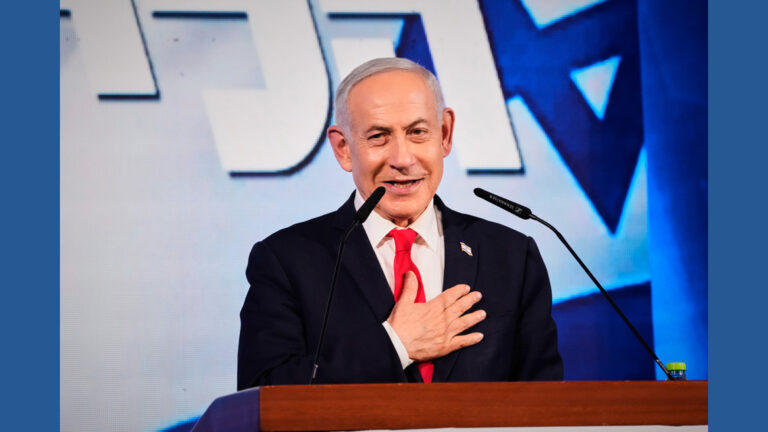
In his post-election remarks, the prime minister argued that a government involving those parties would “endanger Israel.”
His position reflects the political divisions within his right-wing alliance, which includes parties strongly opposed to cooperation with Arab political factions.
A partnership with Arab-led parties could also threaten Netanyahu’s existing relationships with pro-settler parties, potentially causing them to withdraw their support.
That leaves the prime minister with limited options for assembling the additional eight seats needed to retain power.
Eisenkot’s opposition alliance faces its own political challenges, despite having a possible route to a majority through cooperation with Arab-led parties.
The former military chief and other opposition leaders have previously expressed reservations about forming a coalition with Arab parties.
However, the final election results may force them to reconsider their positions if they hope to replace Netanyahu.
A coalition or parliamentary support arrangement involving the opposition and Arab-led parties could provide the necessary numbers to form a government.
Such an agreement would nevertheless require negotiations over political priorities, national identity, security and the role of Arab representatives in the next administration.
The willingness of Arab party leaders to cooperate with the opposition could become a decisive factor in the coming discussions.
The final results have left Israel facing a political stalemate, with neither major bloc holding enough seats to govern independently.
Netanyahu’s alliance remains the largest, but its path to securing a majority appears narrow because of the political restrictions surrounding potential coalition partners.
Eisenkot’s opposition bloc, meanwhile, could have a more viable mathematical route to power if it can secure the support of Arab-led parties and maintain unity among its existing allies.
The coming negotiations will determine whether either leader can assemble a stable government or whether the country faces another period of political uncertainty.
For now, the election has delivered no outright winner, leaving Israel’s next government dependent on coalition bargaining and the willingness of rival parties to reach political compromises.