Myanmar’s military has deployed hundreds of troops to areas surrounding the proposed Dawei Special Economic Zone in the country’s south, with resistance fighters and activists accusing forces of burning villages and forcing communities from land designated for the Russia-backed project.
The military operation around the Dawei SEZ, which includes plans for a deep-sea port and power plant on the Andaman Sea, appears to signal a renewed push to revive the long-delayed development.
The project has been promoted as a potentially important trade and energy corridor that could provide an alternative route to the Strait of Malacca, one of Asia’s busiest maritime chokepoints.
Since July, hundreds of soldiers have reportedly been deployed to the Tanintharyi Region near the Thai border, triggering clashes with armed resistance groups and forcing some fighters to retreat.
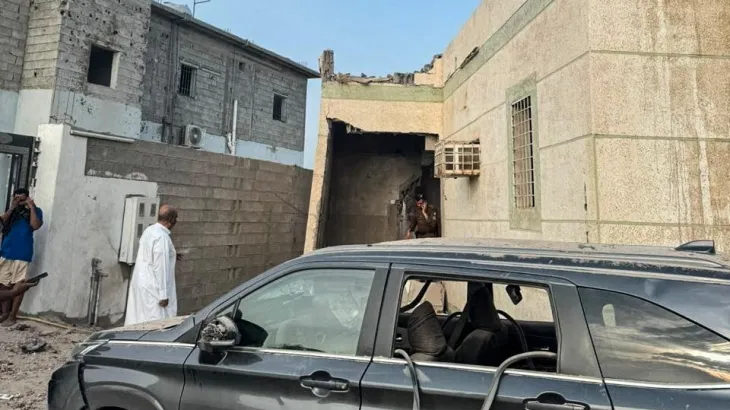
“The military is advancing its columns and conducting area-clearance operations. Some villages and homes have been burned down,” Saw Dah Ko of the Tanintharyi Region People’s Defence Force said.
Another resistance fighter affiliated with the opposition National Unity Government alleged that troops had burned homes in at least three villages and killed three humanitarian workers assisting displaced residents.
The fighter claimed the operations were aimed at securing territory for the Dawei economic zone.
Local civil society organization MAGGA Initiative said the three aid workers were detained and killed after encountering an advancing military column in Yebyu Township on July 9.
The reported military operation comes as President Min Aung Hlaing steps up diplomatic efforts to attract international backing for the project.
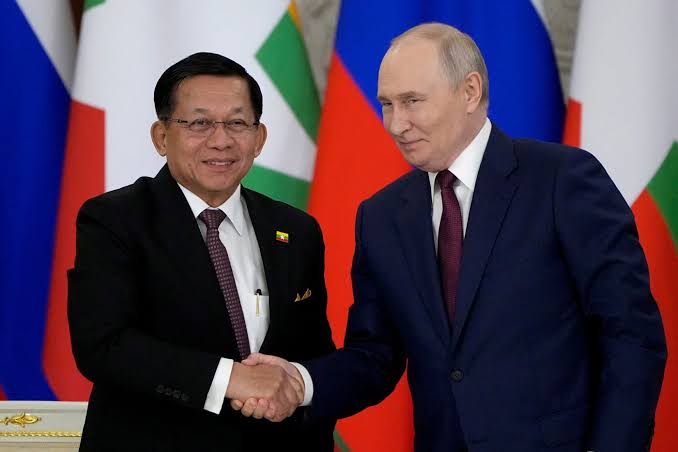
During a recent visit to Thailand, Min Aung Hlaing promoted Dawei as a potential gateway connecting Southeast Asia with South and West Asia. He also discussed the development during talks with Russian President Vladimir Putin in Moscow this week.
The renewed push underscores the strategic importance Myanmar’s military-backed government places on Dawei as it seeks to revive major infrastructure projects while continuing to confront armed resistance across the country.