The Jigawa State Government has unveiled a large-scale intervention aimed at reducing flood risks, announcing the deployment of six amphibious excavators to clear aquatic weeds and carry out dredging work along the Hadejia River.
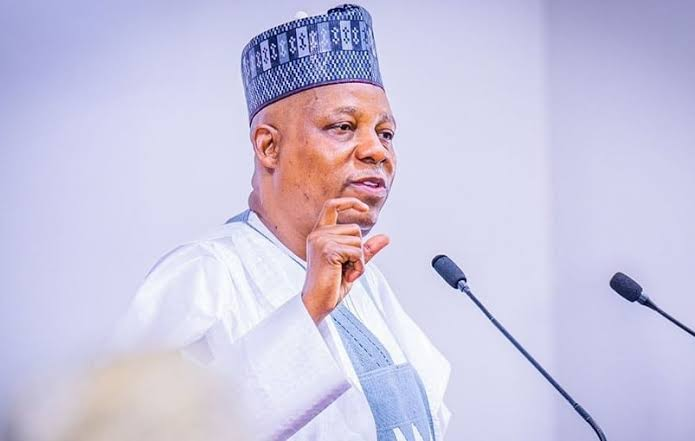
Governor Umar Namadi disclosed this during the distribution of working tools to 15 community-based organisations (CBOs) in Auyo Local Government Area of the state.
According to him, the intervention is part of broader efforts to strengthen flood prevention, improve water flow and protect riverine communities vulnerable to seasonal flooding.
Namadi explained that the state government has procured additional excavators under the Agro-Climatic Resilience in Semi-Arid Landscapes (ACReSAL) project, complementing earlier equipment provided through the Hadejia–Jama’are River Basin Development Authority.
“With two more units previously provided by the Hadejia–Jama’are River Basin Development Authority (HJRBDA), six amphibious excavators will now be available for weed clearance and channel dredging across the state,” he said.
He noted that the deployment would help accelerate ongoing desilting efforts, with over 180 kilometres of waterways already cleared to improve water discharge and reduce flood intensity.
The governor stressed that the initiative aligns with his administration’s 12-point development agenda, particularly in environmental sustainability, community participation and resource management.
“While this commitment is broad, the focus is specifically on protecting riverine communities and waterways from invasive aquatic weeds, which heighten the risk of flooding, loss of farmlands and disruption of livelihoods,” he said.
He added that the programme also reflects his commitment to climate resilience and environmental protection as part of long-term development planning for the state.
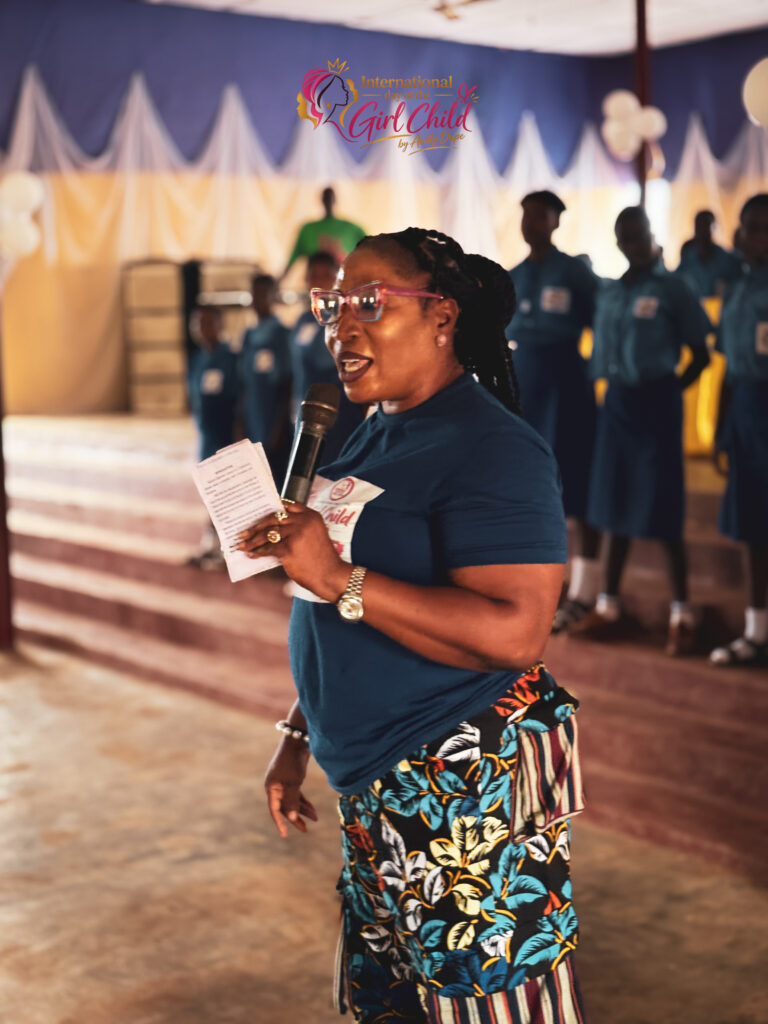
Commissioner for Environment and Climate Change, Nura Ibrahim, said the intervention was designed to empower local communities to take an active role in maintaining waterways and improving environmental sanitation.
He warned that aquatic weeds continue to block waterways, reduce fishing and farming productivity, and threaten livelihoods dependent on wetlands.
“The materials being distributed today are more than just tools; they represent an investment in our communities, a practical step towards protecting our waterways and promoting a cleaner environment,” he said.
Items distributed include canoes, sacks, cutlasses, shovels, head pans, hoes and other equipment to support community-led environmental management.
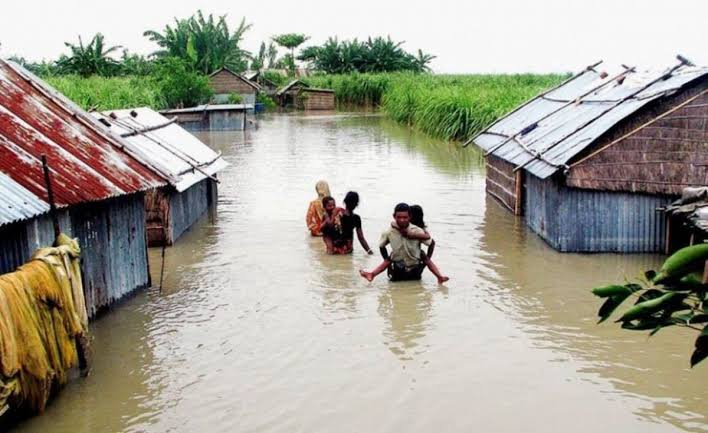
Authorities also noted that the National Emergency Management Agency (National Emergency Management Agency) has flagged 17 local government areas in Jigawa as moderate flood-risk zones in its 2026 seasonal outlook, underscoring the urgency of preventive action.