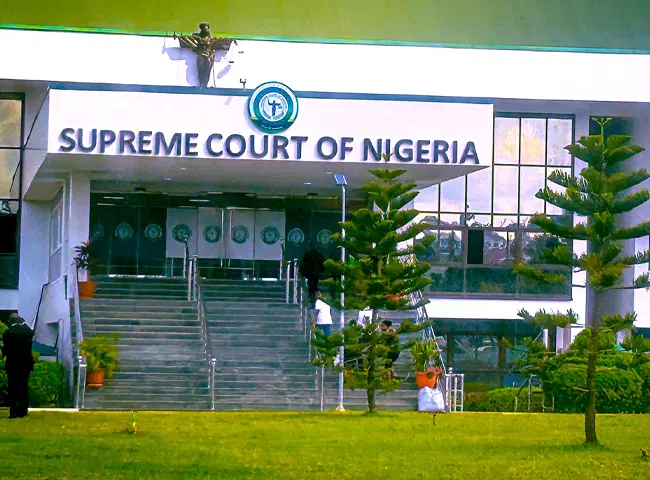
Attorneys representing the city of Chicago and the state of Illinois urged the U.S. Supreme Court on Monday to uphold a lower court order preventing the Trump administration from deploying federalized National Guard troops into Chicago, accusing the administration of distorting the facts to justify federal intervention.
In a legal brief filed ahead of a key deadline, the state and city lawyers said the administration’s request to lift the injunction was built on “mischaracterizations of the factual record” and a misunderstanding of the constitutional limits on federal power.
“Applicants’ contrary arguments rest on mischaracterizations of the factual record or the lower courts’ views of the legal principles,” the brief stated. “As the district court found, state and local law enforcement officers have handled isolated protest activities in Illinois, and there is no credible evidence to the contrary.”
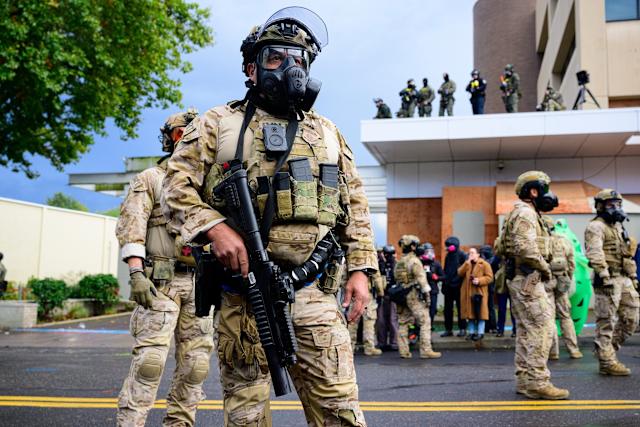
The case stems from President Donald Trump’s effort to send National Guard troops into Chicago amid claims of rising crime and unrest. While the administration retains authority to federalize the Illinois National Guard, a temporary restraining order (TRO) currently bars any physical deployment of troops into the city.
With that TRO set to expire in three days, Illinois Attorney General Kwame Raoul asked the Supreme Court to maintain the current arrangement, arguing that deploying troops would cause “irreparable harm” to the state and that Trump is unlikely to prevail on the merits of his constitutional claims.
“The current order safeguards the careful balance of power struck by the Constitution,” the filing said, “affording the federal government appropriate solicitude while this fast-moving case proceeds in the lower courts.”
In their brief, the attorneys emphasized that the Framers of the Constitution deliberately divided authority over the militia — now the National Guard — between the states and the federal government.
“The Framers carefully apportioned responsibility over the ‘militia,’ granting the federal government the authority to call up the National Guard only for specific purposes and at specific times,” they wrote.
The Trump administration has argued that the deployment is necessary to restore order and protect federal property, while Illinois officials insist that state and local police are fully capable of maintaining public safety.
The Supreme Court is expected to rule within days, given the looming expiration of the lower court’s order.
The dispute has become a flashpoint over federalism and executive authority, pitting Trump’s expansive interpretation of presidential power against states’ rights to control their own law enforcement and National Guard forces.
For now, Chicago and Illinois continue to urge the nation’s highest court to preserve the constitutional balance — and keep federal troops out of the city until the case is fully resolved.