Burkina Faso’s military-led government has fiercely rebuked the United States for what it described as “blackmail” over a deportation dispute, after the Trump administration suspended visa services in the West African nation in retaliation for its refusal to accept deported migrants.
The diplomatic fallout marks a sharp escalation in tensions between Washington and Ouagadougou, amid growing U.S. efforts to crack down on illegal immigration and secure third-country agreements for relocating deportees — many from Latin America and Asia — to African states.
Speaking Thursday night in a televised interview on national broadcaster RTB, Foreign Affairs Minister Karamoko Jean-Marie Traoré revealed that Burkina Faso had turned down multiple U.S. proposals to receive migrants expelled from other countries.
“Is this pressure? Is this blackmail? Burkina Faso is a place of dignity — a destination, not a dumping ground,” Traoré said defiantly.
He added that the United States’ approach violated the spirit of bilateral cooperation and disregarded Burkina Faso’s sovereignty.
Hours earlier, the U.S. Embassy in Ouagadougou announced the suspension of all visa services, including for immigrants, tourists, students, and business travelers. The embassy said Burkinabe applicants would now be required to seek consular services in neighboring Lomé, Togo.
Traoré confirmed receiving a diplomatic note from the U.S. informing him that Burkina Faso had been placed on a list of countries allegedly failing to comply with U.S. visa agreements — a move he linked directly to the deportation impasse.
“This proposal, which we considered indecent from the start, runs completely contrary to our values and dignity,” he said.
The U.S. State Department, in a statement, reiterated its commitment to “ending mass illegal migration” and securing international cooperation to bolster border enforcement. The Department of Homeland Security did not immediately respond to requests for comment.
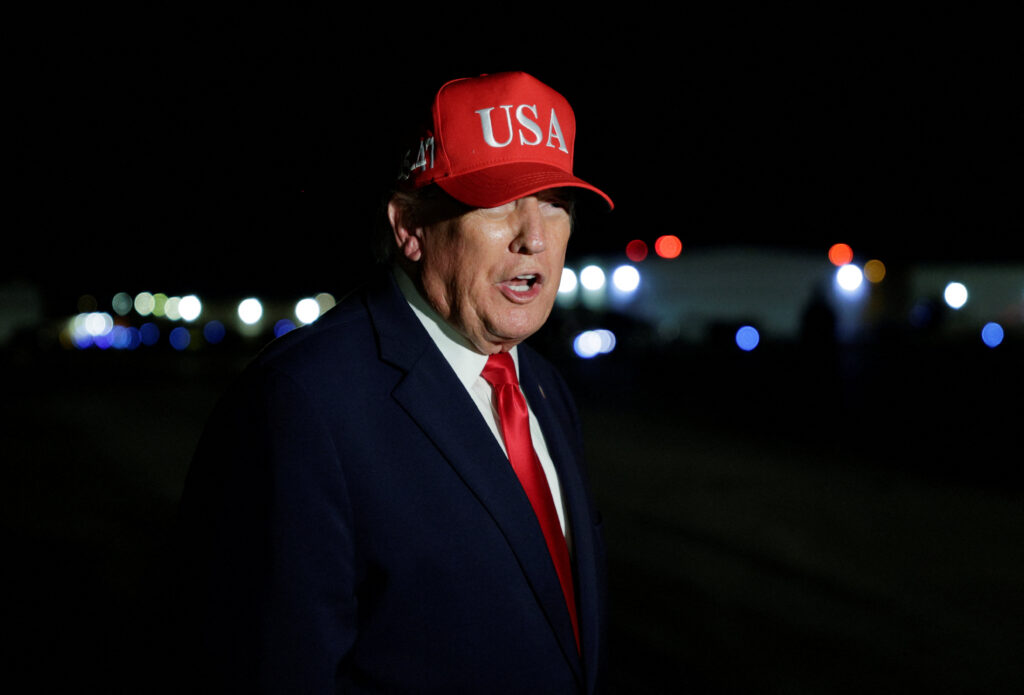
President Donald Trump has made aggressive immigration enforcement a cornerstone of his administration’s agenda, particularly since returning to office. His administration has negotiated deportation deals with several African countries, including Eswatini, Ghana, Rwanda, and South Sudan, to receive migrants being removed from U.S. territory.
Earlier this week, Eswatini accepted a group of ten deportees, including individuals the U.S. government described as “serious criminals,” despite pending legal appeals.
However, Burkina Faso and Nigeria have refused to participate in these agreements, signaling a growing rift over the U.S. strategy.
Burkina Faso’s military government, led by Captain Ibrahim Traoré, has styled itself as a champion of pan-African sovereignty and a fierce critic of what it sees as Western neocolonial influence. Since coming to power in a coup three years ago, Traoré has pivoted toward Russia and non-Western partners, while distancing the country from traditional allies.
Traoré’s administration has repeatedly clashed with Western nations over military policy, economic aid, and democratic governance. The refusal to accept deportees, Traoré’s foreign minister said, is part of a broader effort to reclaim national dignity and resist “external impositions.”
“Our stance is clear,” Traoré said. “We will not allow ourselves to be used as a repository for the world’s migration problems.”
The diplomatic standoff underscores a deepening divide between Washington’s global migration agenda and West Africa’s emerging anti-imperialist narrative. As more African governments push back against Western demands, analysts say this could complicate U.S. immigration policy — particularly its efforts to redirect deportees to third countries.
For Burkina Faso, the message is unmistakable: sovereignty and dignity take precedence over U.S. pressure. Whether that stance will lead to broader consequences or inspire similar resistance across the continent remains to be seen.