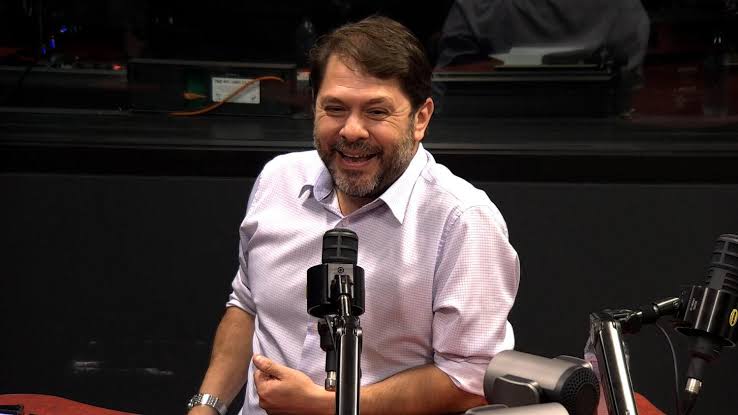
Democratic Sen. Ruben Gallego of Arizona unveiled a sweeping national economic plan Wednesday aimed at strengthening the middle class, raising wages and preparing American workers for potential job disruptions caused by artificial intelligence and automation.
The proposal comes as Gallego openly considers a possible run for president in 2028, positioning economic security and the future of work as central issues in his emerging national agenda.
The 32-page plan, titled “Saving the Middle Class and Restoring the American Dream,” calls for raising the federal minimum wage to $20 an hour and creating a New Deal-style public service employment program financed in part through taxes on large artificial intelligence companies and data centers.
Gallego argues that working- and middle-class Americans face growing pressure from decades of wage stagnation as well as rapidly advancing AI and automation.
“There’s a lot of changes that are coming because of AI that we’re not prepared for,” Gallego told NBC News. He said economic policies over several decades have also failed to adequately address the challenges facing middle-class workers.
Gallego said his goal is to restore an economy in which Americans working full time can support their families while still having enough disposable income to enjoy everyday activities.
His plan is organized around five priorities: raising wages and improving benefits; creating and protecting blue-collar jobs; restoring workers’ trust in government in the age of AI; expanding entrepreneurship beyond the nation’s largest economic centers; and helping unemployed Americans find work more quickly.
Gallego’s earlier framework specifically called for raising the minimum wage to $20 an hour, doubling private-sector union density by 2035 and examining changes to the tax system that would provide greater incentives for employing workers rather than replacing them through automation.
Among the most ambitious proposals is a public service jobs program modeled on initiatives associated with President Franklin D. Roosevelt’s New Deal.
Gallego proposes using taxes on data centers and an excise tax on revenue generated by large AI companies to finance jobs designed to strengthen communities and increase human interaction.
The jobs could include coaching youth sports, mentoring young people, providing addiction counseling, improving neighborhoods and caring for children, older adults and people with illnesses or disabilities.
Gallego cited youth sports in his home state as an example, saying Little League programs in Phoenix and elsewhere sometimes struggle to find enough coaches and referees. Under his proposal, government funding could help pay people to perform those community roles.
His focus on AI comes as he has increasingly pushed for congressional scrutiny of the technology. Gallego recently raised concerns in a Senate hearing about risks from advanced AI systems and has proposed establishing a bipartisan Senate Select Committee on Artificial Intelligence.
The timing of the economic plan also puts additional attention on Gallego’s political future. With the November midterm elections still weeks away, he acknowledged that he is considering seeking the Democratic presidential nomination in 2028.
“I’m not, you know, going to lie and say we’re not thinking about it. We are absolutely thinking about it,” Gallego said.
The 46-year-old senator said one of his biggest considerations is whether he could undertake the demands of a presidential campaign while remaining actively involved in raising his three young children.
Regardless of whether he ultimately runs, Gallego said Democrats need to more clearly articulate an economic agenda and explain what they would prioritize beginning in 2027.
His proposal adds to a broader policy push focused on AI and data centers. This week, Gallego joined other senators in challenging proposed changes to federal rules governing public input on data-center air permits, arguing that expanding AI infrastructure should not come at the expense of transparency or affected communities.
The economic plan could also provide an early indication of the issues Gallego would emphasize if he enters what is expected to be a competitive Democratic presidential primary in 2028.