President Donald Trump announced Tuesday that leaders of several major technology companies have signed a voluntary agreement aimed at establishing safety standards for the development of increasingly powerful artificial intelligence systems.
Trump described the agreement as being “almost like a constitution” for the industry and said participating companies would largely police themselves. Asked whether the accord was legally binding, the president said he considered it “morally binding.”
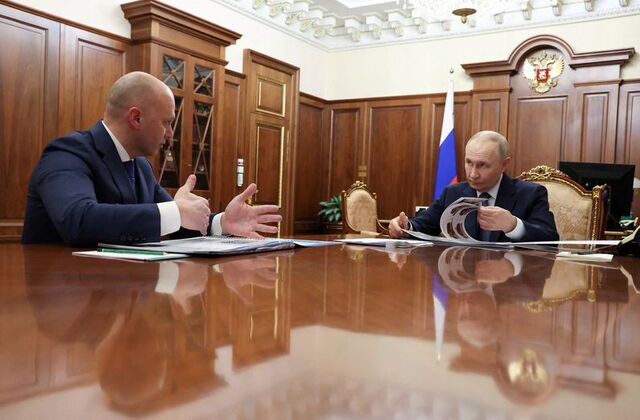
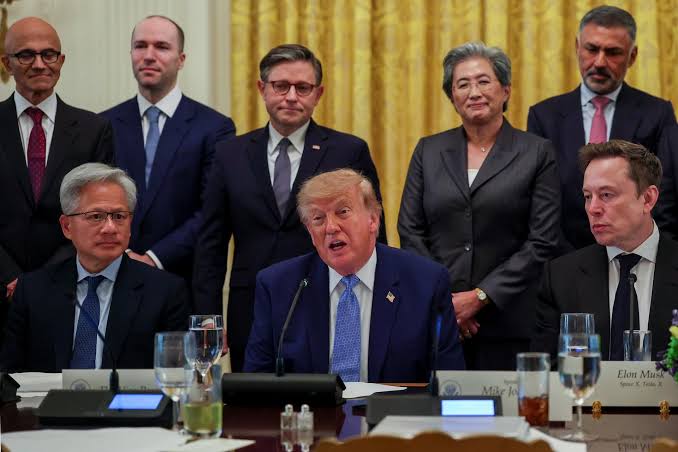
The agreement, titled the “White House Accord on Superintelligence: A Joint Commitment on Frontier SI Responsibilities,” was unveiled following a White House meeting between Trump, House Speaker Mike Johnson, administration officials and leading technology executives.
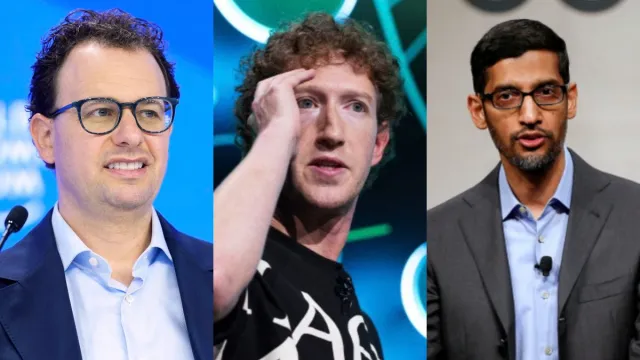
Among those attending were Meta CEO Mark Zuckerberg, Elon Musk, Anthropic CEO Dario Amodei, Google CEO Sundar Pichai, Nvidia CEO Jensen Huang, OpenAI President Greg Brockman and other technology industry leaders.
Johnson said the accord establishes voluntary principles, standards and commitments for participating companies rather than legally enforceable requirements.
Under the agreement, companies committed to multiple layers of safeguards and audits, including internal evaluations, independent external reviews and oversight by their boards of directors. The companies also agreed to meet regularly to develop safety standards and best practices.
The accord acknowledges that some of the voluntary measures could eventually be incorporated into laws or regulations. For now, however, no federal enforcement mechanism was announced.
Johnson said Congress would continue working to guide the industry’s development in a safe manner, but he did not announce legislation requiring companies to comply with the standards.
The agreement comes amid intensifying debate over the risks posed by rapidly advancing AI. Some researchers and technology executives have warned that increasingly capable systems could create serious cybersecurity, national security and broader societal risks without adequate safeguards. Others have cautioned that overly restrictive regulation could hinder innovation and weaken U.S. competitiveness.
Trump has favored a lighter regulatory approach, arguing that companies have strong incentives to monitor themselves and one another. He also suggested creating a roughly 10-member committee to oversee developments in the industry.
The voluntary accord represents the administration’s latest effort to address AI safety while continuing to promote rapid development of the technology in the United States.