The Nigeria Police Force has completed threat assessments across all local government areas and states as part of measures to contain armed crime and pre-election violence ahead of the 2027 general elections.
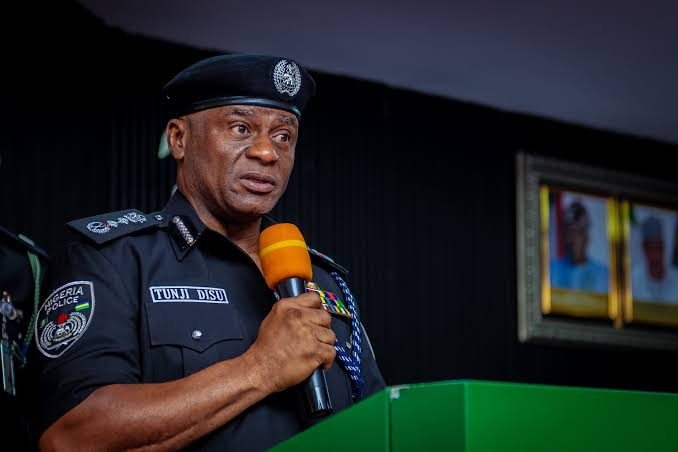
Inspector General of Police, Olatunji Disu, disclosed this on Tuesday on the sidelines of the Conference and Retreat for Senior Police Officers (CARSPO) 2026, where the force reviewed security operations during previous elections and identified areas requiring improvement.
Disu said training for police officers and other agencies involved in election security would commence after the workshop, stressing that the force was prepared for the polls.
“We are prepared for the election because we have done our pre-training, our plans as usual, and so far so good. We are good to go for the election,” he said.
The IGP also disclosed that the police were deploying artificial intelligence to combat misinformation, detect deepfakes and tackle other internet-enabled crimes capable of affecting the electoral process.
He said the force was particularly concerned about attempts by bad actors to use manipulated images, videos and false information to influence voters, adding that the cybercrime unit had been trained to respond.
“The cybercrime section of the Nigeria Police Force has been updated. Our officers have been trained to handle this issue, so we are not bothered so much about it,” he said.
Disu said the police would deploy personnel to quickly verify disputed claims and provide accurate information to the public as misinformation emerges.
According to him, three rounds of training had already been conducted for middle-cadre and junior officers, who were more likely to encounter AI-related offences in the field, while a “sizable number” of officers were undergoing further artificial intelligence training outside the country.
“By the time they come back, we’ll see changes in the operations of the Nigeria Police Force,” Disu said.
On alleged extortion at security checkpoints, the IGP pledged to tackle impunity and multiple checkpoints, following complaints from farmers and truckers that alleged demands for money were contributing to rising food prices.
He said covert teams had been deployed to monitor checkpoints, while statistics from the Police Complaints Response Unit (CRU) showed a decline in complaints against officers.
“Whenever you complain, we act on it. Anybody arrested, police officers arrested to be doing what they are not supposed to do are punished accordingly,” he said.
Disu urged members of the public to use the recently circulated CRU contact numbers to report misconduct.
Addressing allegations that senior police officers were shielded from accountability, he said the force’s position against impunity applied to law enforcement officers and citizens alike.
He cited an incident in Abuja three days before the interview involving a driver who allegedly ran a red light, struck police officers with his vehicle while trying to flee and assaulted them after being stopped.
According to Disu, the driver was arrested, arraigned the following day and remanded in custody.
“When we talk [about an] end to impunity, it has to do with law enforcement officers, police officers, and to every citizen in the country. Let us obey the law, let us be law abiding…” he said.