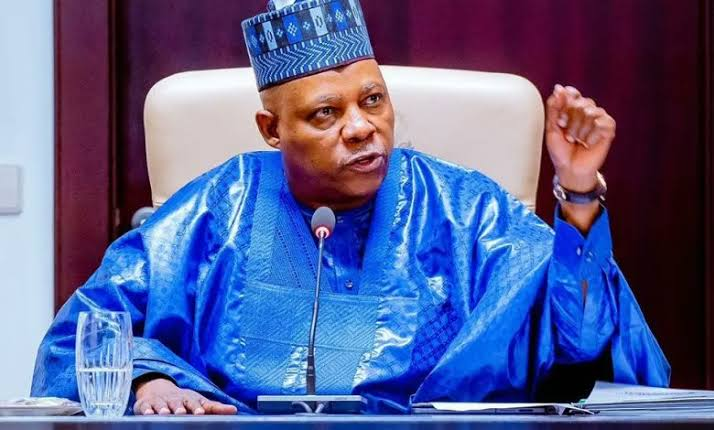
Vice-President Kashim Shettima has urged African countries to end the export of mineral resources as raw materials and prioritise local processing to drive industrialisation, create jobs and improve living standards.
Shettima made the call in New York at the Third High-Level Roundtable of the Africa Minerals Strategy Group (AMSG), held on the sidelines of the 81st United Nations General Assembly.
The meeting, themed “From Resources to Wealth: Continental Cooperation for Mineral Value Addition,” brought together African governments, investors and other stakeholders in the mining sector.
Shettima said Africa’s vast mineral resources would only become meaningful when they translated into better economic opportunities for its people.
He called for stronger continental cooperation, expanded local processing and the development of industries around minerals that are increasingly critical to the global economy.
The Vice-President criticised the practice of exporting raw minerals and subsequently importing finished products made from the same resources at significantly higher costs.
He said stronger cooperation on mineral governance would improve Africa’s bargaining power and enable the continent to retain more value from global mineral supply chains.
Shettima also urged the AMSG to develop bankable projects capable of attracting investment into mineral processing, manufacturing and other value-adding activities.
According to him, such investments should create jobs, accelerate industrial development and ensure communities where minerals are extracted benefit directly from the resources.
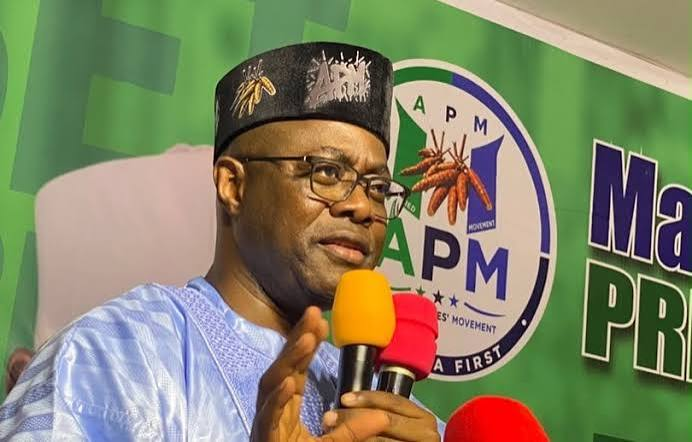
Meanwhile, Minister of Solid Minerals Development and AMSG Chairman, Dr Dele Alake, called for a new approach to artisanal mining across Africa.
Alake urged governments to distinguish between artisanal miners who depend on the sector for their livelihoods and criminal operators involved in illegal mining.
“Illegal mining must remain illegal, but artisanal miners should have a structured framework that allows them to operate legally and safely,” he said.
He noted that many artisanal miners were breadwinners whose families depended on their earnings, while recurring mine-site collapses across Africa underscored the need for stronger safety regulations and oversight.
Alake said formalising artisanal mining would provide miners with safer working conditions, training, appropriate equipment, financing and government supervision.
He added that integrating the sector into the formal economy would improve mineral traceability and help address smuggling, environmental degradation and other challenges associated with unregulated mining.
Kenya’s Cabinet Secretary for Mining, Blue Economy and Maritime Affairs, Hassan Ali Joho, called for greater sharing of geological and mineral data among African countries.
The AMSG, comprising more than 30 African member countries, is working to develop a collective African position on mineral governance, local processing and participation in global mineral supply chains.
The group is promoting measures including harmonised mining policies, shared infrastructure, regional processing hubs and improved geological data systems.
President Bola Tinubu, who chairs the AMSG General Assembly, has previously advocated greater continental cooperation to move Africa beyond its traditional role as an exporter of raw materials to industrialised economies.
Representatives from Tanzania and Chad also made presentations at the New York meeting.
Those in attendance included Minister of Foreign Affairs Bianca Odumegwu-Ojukwu; Nigeria’s Permanent Representative to the UN, Amb. Jimoh Ibrahim; Borno State Governor Babagana Zulum; Nasarawa State Governor Abdullahi Sule; Kebbi State Governor Nasir Idris; and Rivers State Governor Siminalayi Fubara.