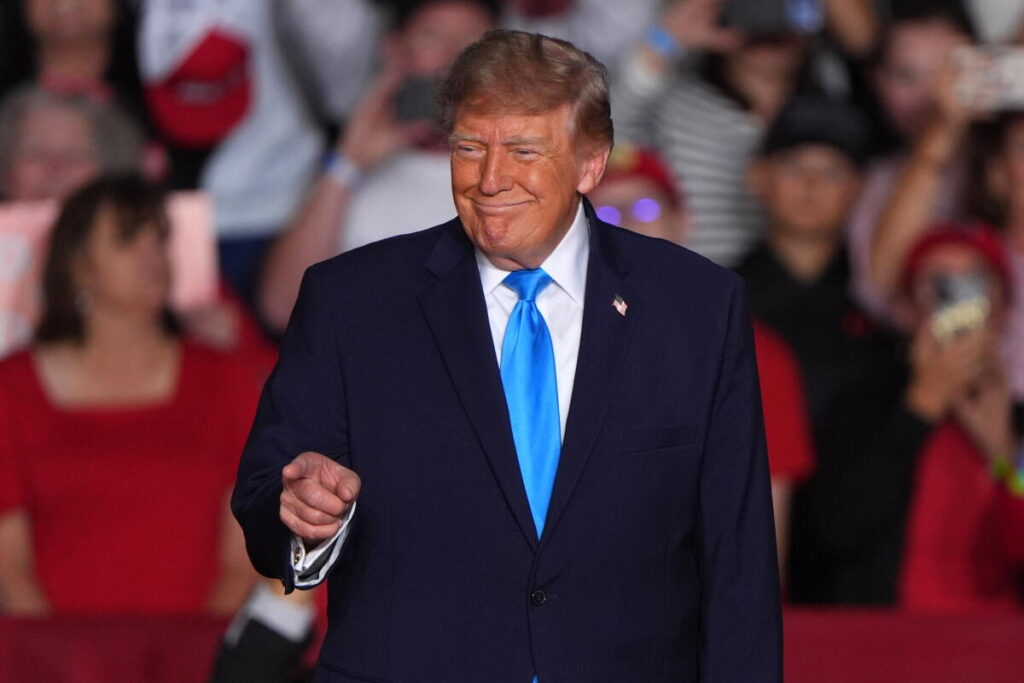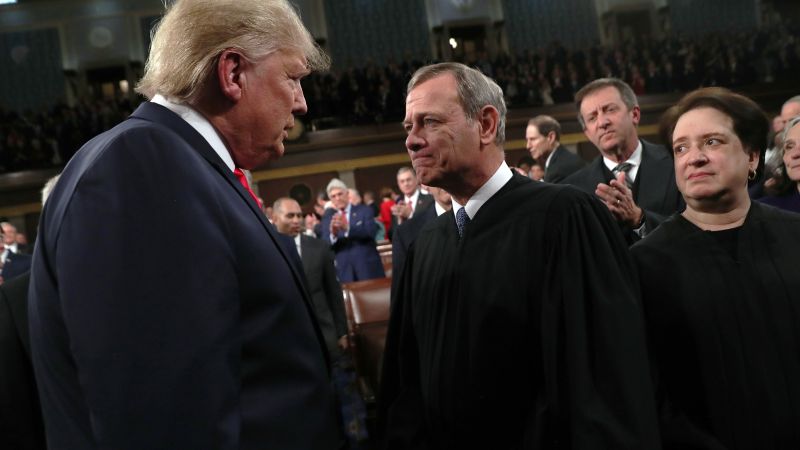
President Donald Trump acknowledged for the first time on Friday that the proposed $1.8 billion “Anti-Weaponization Fund” is no longer moving forward, though he said he would have preferred to see it implemented.
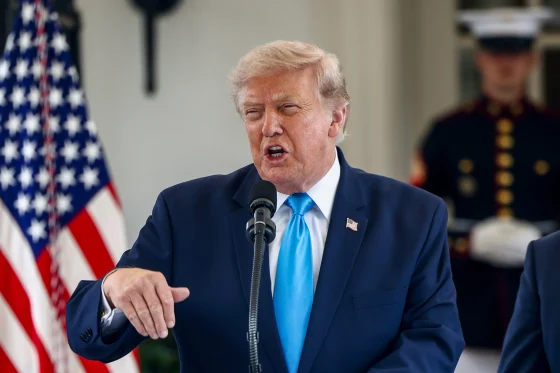
Speaking during a Cabinet meeting at Camp David, Trump confirmed the fund was effectively defunct but stopped short of explaining why the administration has not formally documented its termination.
The controversy surrounding the fund, along with Trump’s settlement with the Internal Revenue Service (IRS), has complicated the Senate confirmation of Todd Blanche to serve as U.S. attorney general.
The IRS agreement, which reportedly grants Trump and his family immunity from existing tax audits, has become another point of concern for some Republican lawmakers reviewing Blanche’s nomination.
During the Cabinet meeting, ABC News Chief White House Correspondent Mary Bruce asked the president whether he agreed with the acting attorney general that the Anti-Weaponization Fund was “dead” and why the administration had not confirmed that in writing.
“Well, it is dead, but you know I wish it weren’t, to be honest with you,” Trump replied.
“I think people were horribly treated, horribly abused … and I’d like to see them compensated for the pain,” he added.
Trump argued that Blanche should not be drawn into the controversy despite serving as acting attorney general.
The Senate Judiciary Committee postponed a scheduled vote on Blanche’s nomination on Thursday after key Republican senators withheld their support.
Among them was Senator John Cornyn, who has called on the Department of Justice to provide written confirmation that the Anti-Weaponization Fund has been abandoned, consistent with Blanche’s sworn testimony during his confirmation hearing.
Senator Thom Tillis also joined the opposition, delaying consideration of the nomination.
Both Cornyn and Tillis are expected to leave the Senate when their terms expire in January.
Trump has suggested he may temporarily withdraw Blanche’s nomination until after the two senators depart Congress.
In addition to seeking written confirmation that the compensation fund has been shelved, Cornyn has urged the administration to narrow the scope of Trump’s IRS settlement.
The president was also asked whether he would consider accepting changes to the IRS agreement in an effort to secure Senate approval for Blanche’s nomination, though no immediate commitment was announced.