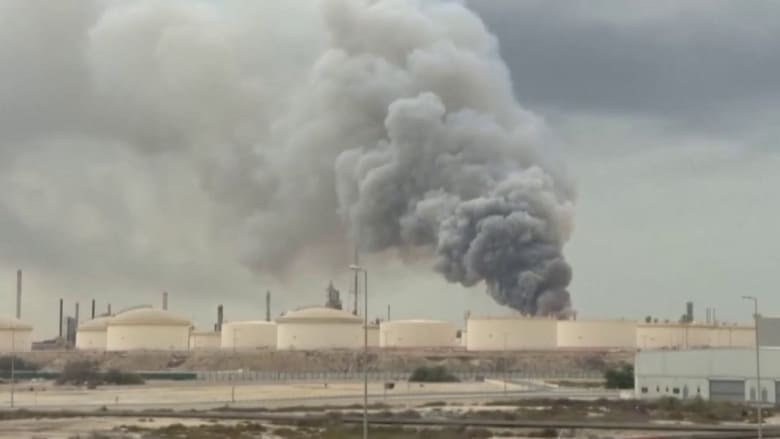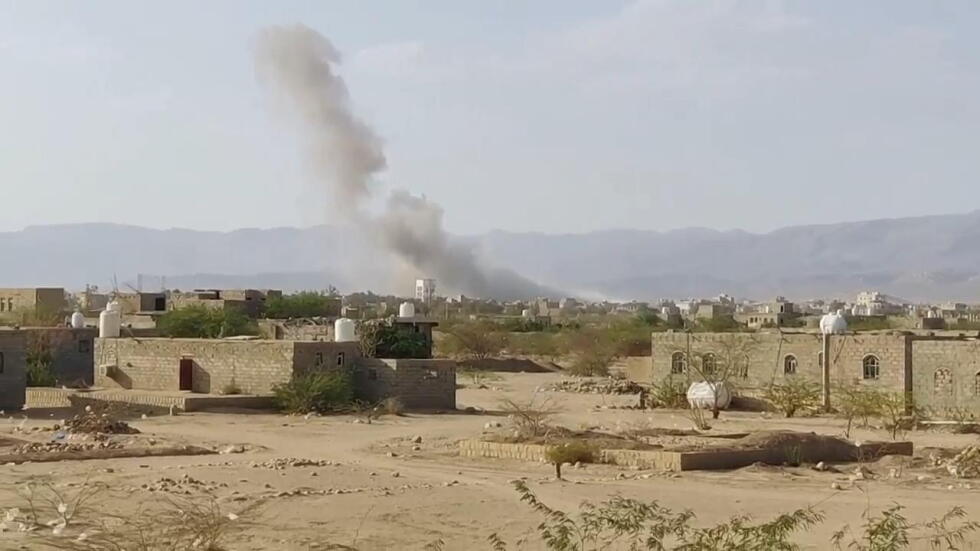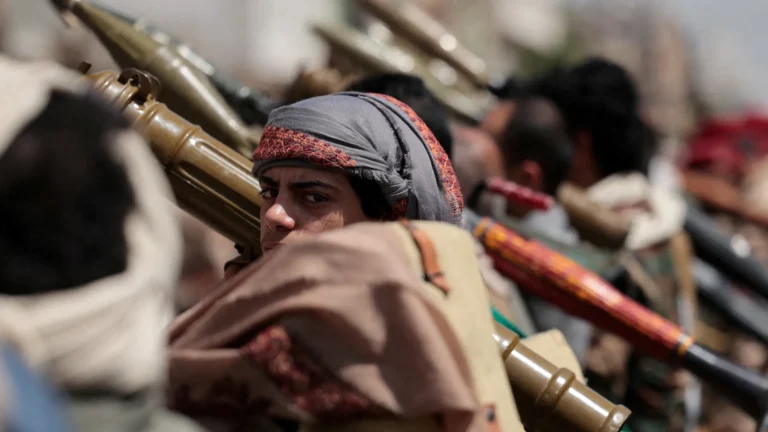
Tehran-backed Houthi forces in Yemen launched missiles and drones at two of Saudi Arabia’s key oil facilities on the Red Sea, marking a significant escalation in regional tensions fueled by the ongoing conflict involving the United States, Israel and Iran.
The attacks targeted critical energy infrastructure, raising fresh concerns about the security of global oil supplies and the potential for the conflict to spread further across the Middle East.
Despite the escalation, Iran experienced a second consecutive night without reported U.S. airstrikes, signaling a pause in a military campaign that had subjected the country to nearly two weeks of sustained attacks.
Since July 11, Iran had faced 13 consecutive nights of U.S. airstrikes following attacks by Iran’s Islamic Revolutionary Guard Corps (IRGC) on commercial tankers transiting the Strait of Hormuz.
The hostilities effectively ended an interim peace agreement reached in June, while negotiations aimed at securing a broader and more permanent settlement appeared to have stalled.
However, the absence of new U.S. strikes since Friday has fueled cautious optimism that diplomatic channels remain open.
Officials and analysts say Washington and Tehran continue to communicate through intermediaries, raising the possibility that formal negotiations could resume despite the recent surge in violence.
Even if diplomacy succeeds in restoring a fragile ceasefire, the broader consequences of the conflict continue to ripple across the region.
Iran’s actions in the Strait of Hormuz have disrupted one of the world’s most important maritime trade routes, restricting the flow of crude oil and raw materials used in fertilizer production. The disruptions have contributed to soaring energy prices and heightened concerns over food security, particularly in countries heavily dependent on imported fuel and agricultural supplies.
The conflict has also intensified violence beyond the Gulf.
In March, Lebanon’s Iran-backed Hezbollah movement resumed missile attacks against Israel following strikes on Iran. Israel responded by launching a large-scale military offensive in southern Lebanon, a campaign that has displaced an estimated 1.2 million people and further destabilized the region.
The latest Houthi attacks underscore growing fears that the conflict is expanding beyond its original fronts, increasing the risk of a broader regional confrontation involving multiple Iran-aligned groups and their adversaries.