Global oil prices climbed sharply on Thursday after reports of attacks on oil tankers off the coast of Saudi Arabia and renewed U.S. threats to expand military strikes against Iran heightened fears of further disruptions to energy supplies.
By 5:30 a.m. ET, Brent crude futures for July delivery had risen 4.6% to $98.44 per barrel, their highest level since late May. U.S. West Texas Intermediate (WTI) crude gained 3.8% to $90.14 per barrel, marking its strongest level since June 8.
The latest rally puts Brent on track for a monthly gain of approximately 35.3%—its third-largest monthly increase in the past decade—while WTI is poised for a roughly 30% rise, also its third-biggest monthly advance over the same period.
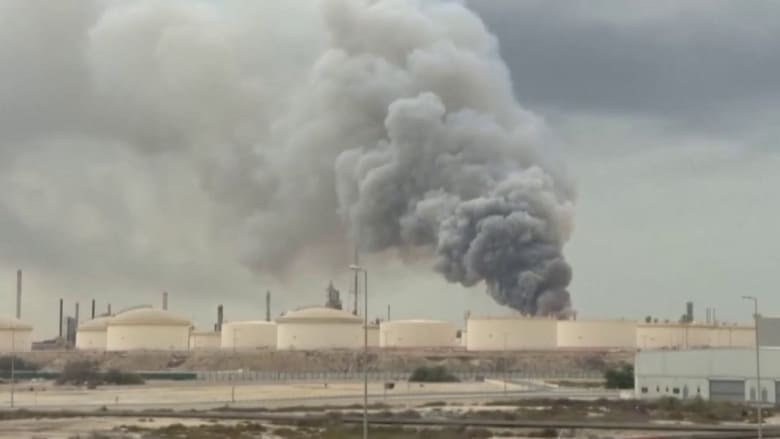
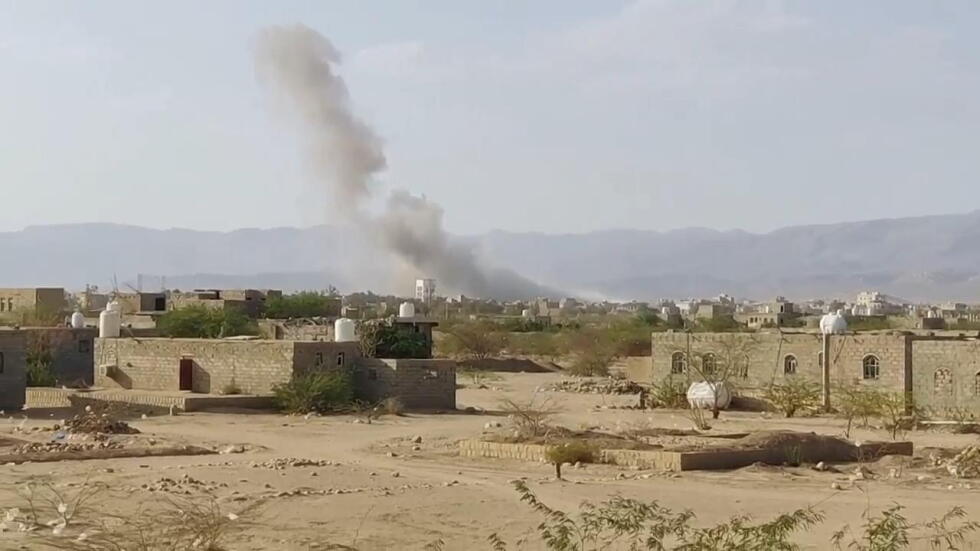
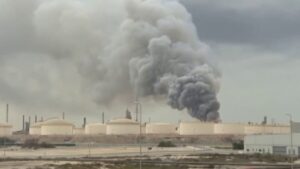
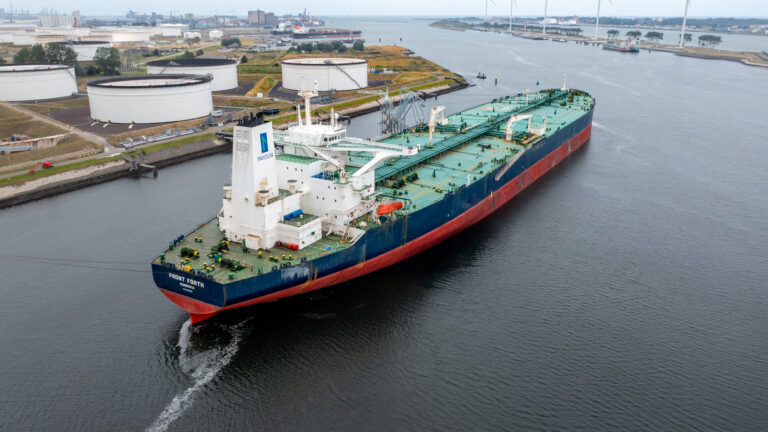
The price surge followed reports from the United Kingdom Maritime Trade Operations (UKMTO), which said a commercial tanker was struck about 70 nautical miles southwest of Al Shuqaiq, Saudi Arabia.
According to UKMTO, the attack ignited a fire aboard the vessel, though the crew was able to respond and no casualties were immediately reported.
Yemen’s Iran-backed Houthi movement claimed responsibility for the attack, saying it had targeted two Saudi oil tankers using drones and missiles for allegedly violating its recently declared maritime blockade.
The reported strikes could not be independently verified. If confirmed, they would represent the first attacks on Saudi shipping since the Houthis announced the blockade earlier this week.
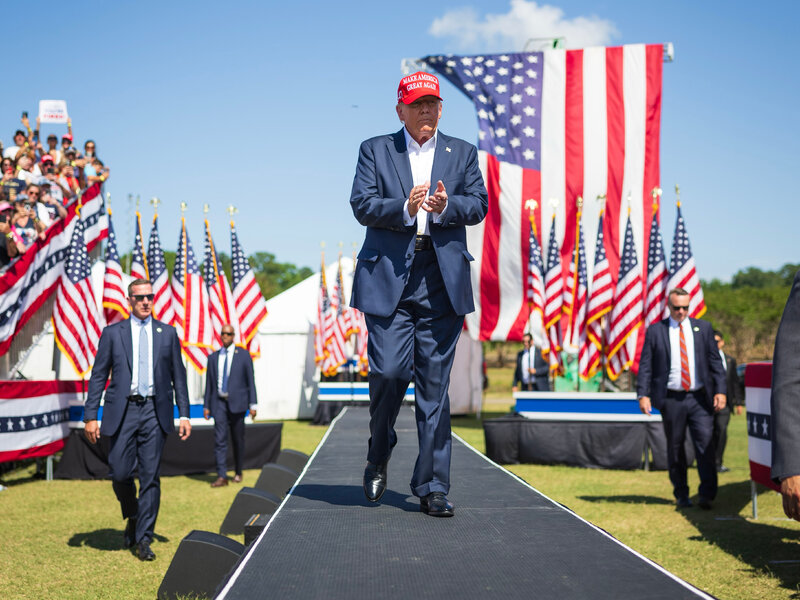
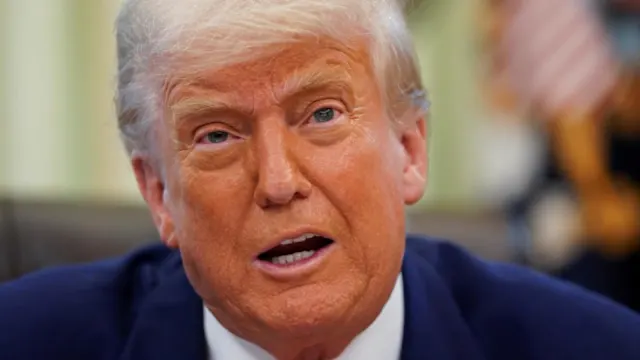
The incident came just hours after President Donald Trump warned that the United States would retaliate by targeting Iranian infrastructure whenever Tehran attacks commercial vessels transiting the Strait of Hormuz.
“From this point forward, any time the Islamic Republic of Iran shoots at a ship in the Strait of Hormuz, whether it be by missile, rocket, drone or any other weapon, the United States will bomb and destroy one bridge or power plant,” Trump said.
The warning signaled a further escalation in tensions following the collapse of the U.S.-Iran ceasefire.
Iran responded by warning that any U.S. strikes on its civilian infrastructure would prompt retaliatory attacks against American-linked facilities and energy assets across the region.
According to Iran’s state-run Tasnim News Agency, an unnamed military source said Tehran would target regional infrastructure—including energy facilities connected to U.S. interests—if Washington carried out its threats.
The escalating confrontation has fueled concerns over the security of the Strait of Hormuz, one of the world’s most critical energy chokepoints, and increased fears that prolonged instability could further disrupt global oil supplies and drive energy prices even higher.