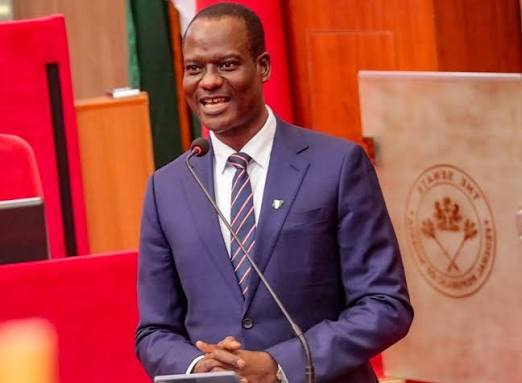
The Minister of Finance and Coordinating Minister of the Economy, Taiwo Oyedele, has attributed the sharp rise in Nigeria’s public debt largely to the depreciation of the naira and accounting adjustments rather than extensive new borrowing by the Tinubu administration.
Oyedele made the clarification on Monday while appearing before the Senate Committee on Finance to brief lawmakers on the state of the economy. He was responding to concerns raised by Senator Adamu Aliero (Kebbi Central), who questioned reports that the current administration had borrowed about ₦80 trillion in addition to the ₦75 trillion debt it inherited.
The minister said comparing the country’s debt stock at the beginning of the administration with the current figure without factoring in exchange rate changes presents a misleading picture.
According to him, Nigeria records its public debt in naira, meaning the depreciation of the local currency significantly increased the naira value of the country’s foreign-denominated obligations.
“When this administration assumed office, public debt stood at about ₦75 trillion. Many people compare that figure with the current debt stock and conclude that the government has borrowed massively.
“However, following the economic reforms and the depreciation of the naira, the foreign currency component of the debt had to be revalued in naira terms. That accounting adjustment alone added more than ₦40 trillion to the public debt,” Oyedele explained.
He also noted that the securitisation of the Ways and Means advances inherited from the previous administration contributed significantly to the increase in the overall debt profile.
Oyedele added that a substantial portion of the government’s domestic borrowing has been used to refinance existing obligations rather than create new debt.
He maintained that the Tinubu administration’s borrowing policy remains focused on financing critical infrastructure and supporting long-term economic growth through prudent debt management.